

Filter By
Follow Us
Beanstalk ECDA Facebook Page Beanstalk ECDA Instagram Page Beanstalk ECDA YouTube Page Beanstalk ECDA Flickr Page
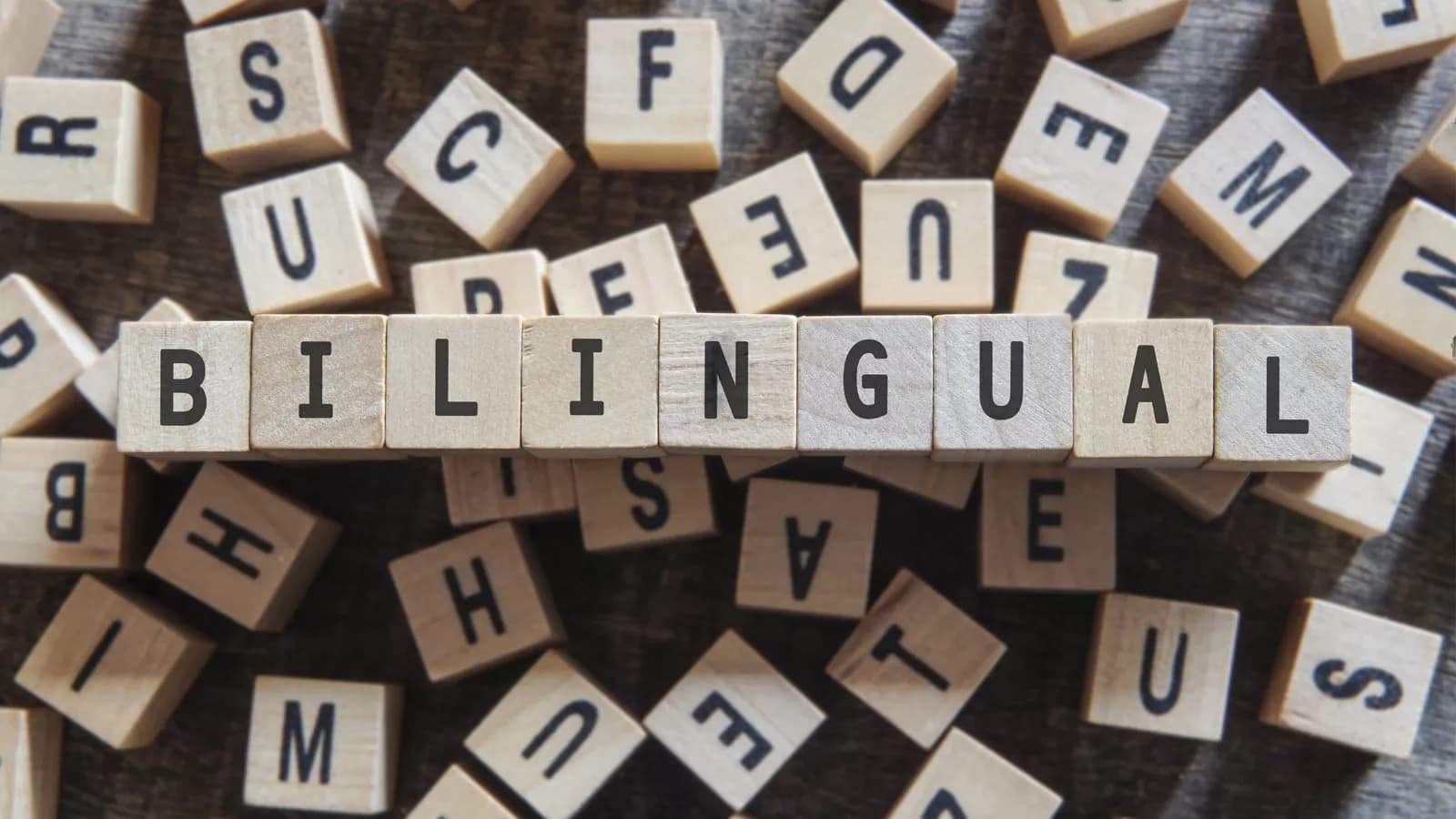
Wooden blocks with letters spell out “bilingual”, highlighting the importance of mother tongue language in EC education.

Transform the Way You Pass Down Mother Tongue Language

Three award-winning educators share strategies for building a strong, balanced bilingual foundation in the early years.

Developing skills in two or more languages helps children connect with different people, and supports their thinking, communication and social-emotional growth. Language is also a window to diverse cultures and ways of seeing the world. Learning different languages broadens children's minds and strengthens their ability to think critically.

However, being equally proficient in English and mother tongue language (MTL) — defined as balanced bilingualism — can be challenging. Children often feel stronger in one language (usually English), either out of personal preference or because it is used more in their family or social circles.

So, how can educators and parents help children build both languages more evenly? By providing early exposure to MTL and encouraging children's interest and motivation to learn. Three MTL teachers — recipients of the Outstanding Preschool Mother Tongue Language Teacher Award in 2024 — share insights and strategies from their experience. The key is to make reading fun and enjoyable through hands-on, multi-sensory and developmentally appropriate activities.

BE FLEXIBLE AND CREATIVE IN ENGAGING CHILDREN

“MTL learning should be fun, meaningful and culturally relevant,” says Ms Norfaezan Binte Fadiar, a Malay Language Teacher at PCF Sparkletots @ Zhenghua Blk 620. It’s not just about choosing the right book, but also using props and designing follow-up experiences that hold children's interest.
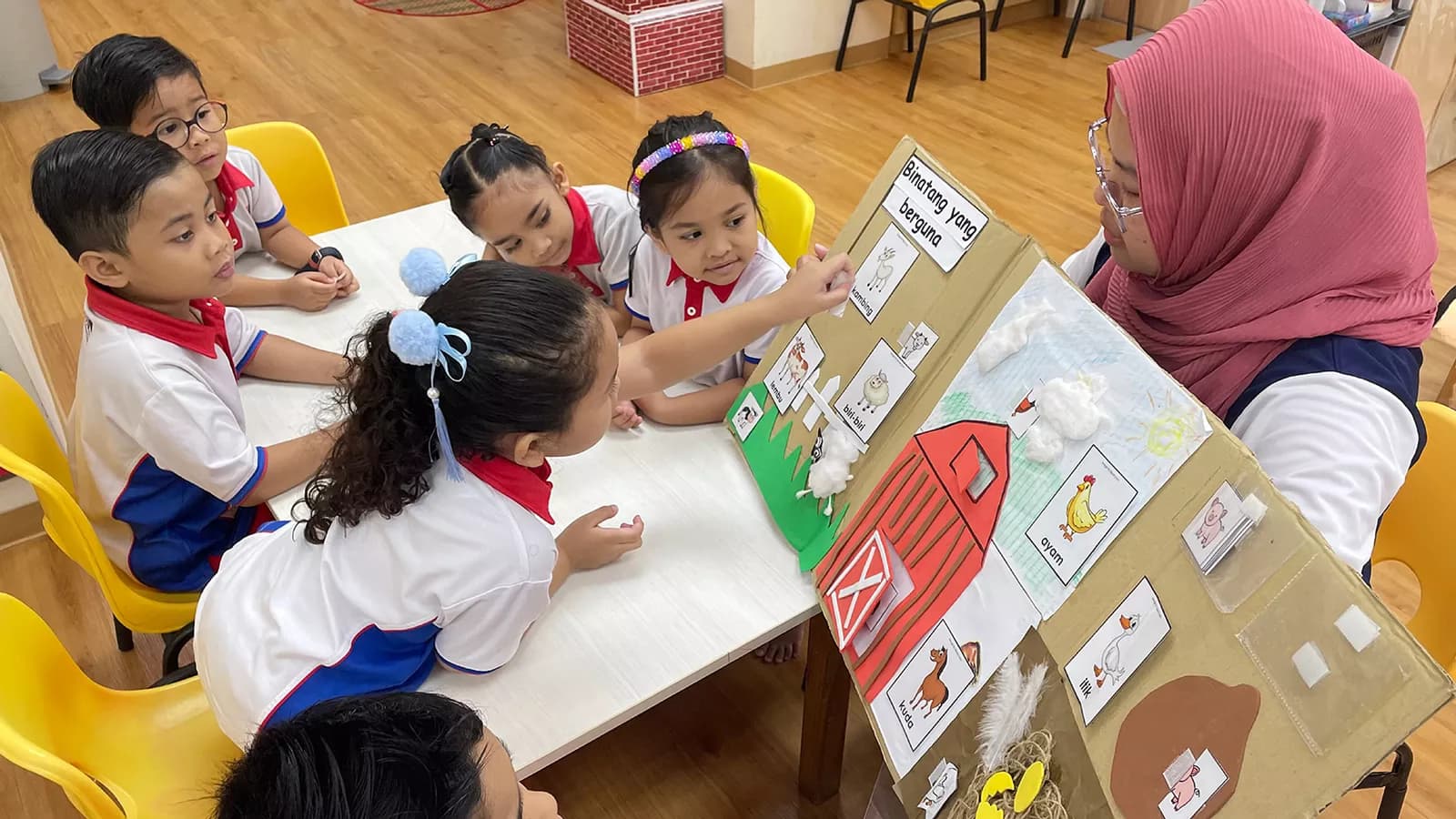
PCF Sparkletots @ Zhenghua Blk 620

Ms Norfaezan uses props and visual aids, such as handcrafted storyboards, to retell stories creatively and engage children's senses. Expressive storytelling methods, like varying her tone of voice and adding dramatic actions, are also important to capture their interest.

PCF Sparkletots @ Zhenghua Blk 620

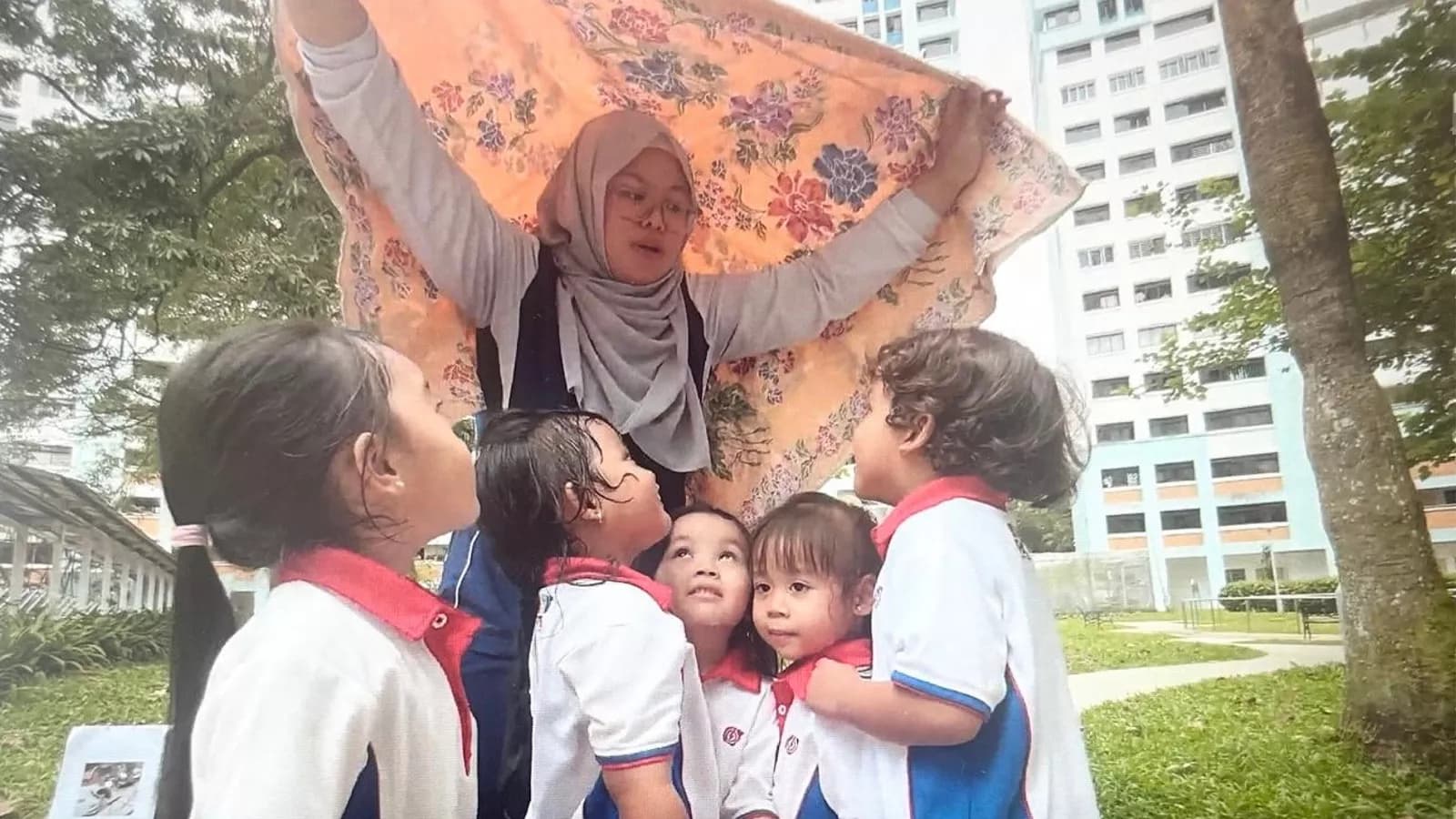
Inspired by the picture book, Kain Sarung Ajaib (The Amazing Sarong), children re-enact scenes from the story and use the sarong in various ways — as a rope, umbrella or picnic mat, for instance. This brings the story to life and helps children connect with traditional Malay kampung life.

PCF Sparkletots @ Zhenghua Blk 620

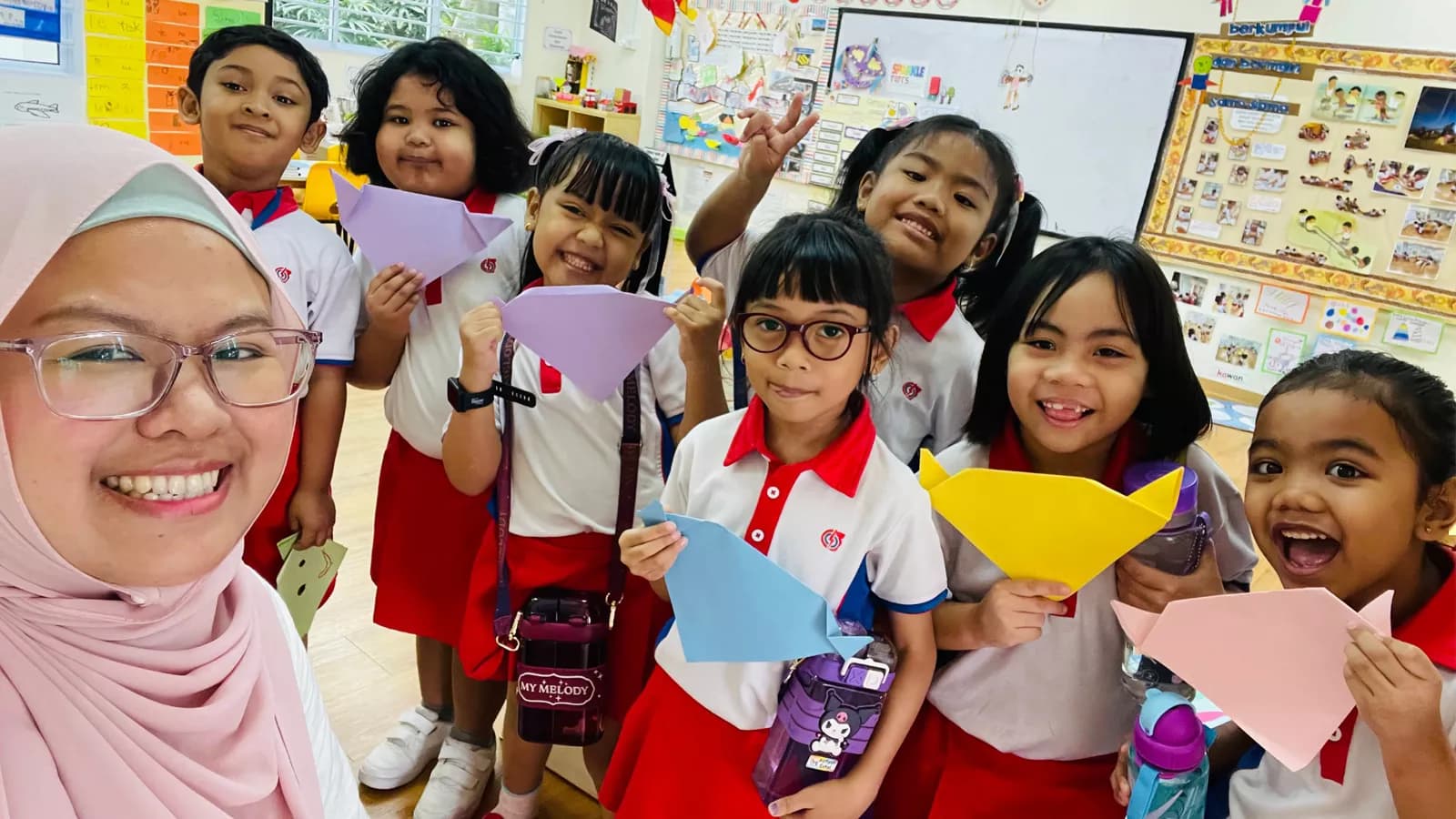
One instructional technique that children enjoy is storigami, where Ms Norfaezan narrates a story and they follow along folding origami. “Children love the visual and interactive aspects”, she says. “They become more focused, excited and eager to participate. The tactile element improves listening comprehension and helps them remember Malay words better.”

Ms Norfaezan notes that reading materials should align with children’s developmental stages, learning pace as well as interest. For toddlers, big books with large, vivid illustrations are ideal, while older preschoolers can be introduced to stories with richer plots and dialogue. However, there may be exceptions, so educators and parents must observe each child closely to assess their language proficiency.

“If a child points out repeated words or joins in with predictable phrases during storytelling sessions, it is a sign that they are ready for slightly more text-rich materials,” she says. “On the other hand, if they seem disengaged, I will switch to simpler books with more visuals or adjust the reading pace.”

This flexible approach extends to follow-up activities as well, she adds. “Some children enjoy retelling the story using props or role-play, while others prefer word games (e.g. bingo, word fishing) or piggyback songs (familiar tunes paired with new lyrics). I also encourage children to choose books from our preschool library, based on their interests and reading comfort.”

WEAVE LANGUAGE LEARNING INTO AUTHENTIC CONTEXTS

To help children appreciate the value of learning MTL, it’s important to show its relevance and practicality in daily life, beyond just reading. Ms Woon Poh Leng, Senior Preschool Educator (Chinese Language) at Star Learners @ Pasir Ris, does this by exposing children to real-world situations where they use Chinese meaningfully.

“When we visit community spaces or cultural venues, I point out Chinese shop signs and product packaging. At hawker centres, I demonstrate how to order food in Mandarin and encourage children to try it themselves,” says Ms Woon. “Such experiences build their confidence and show them that Chinese is a useful language.”

Star Learners @ Pasir Ris

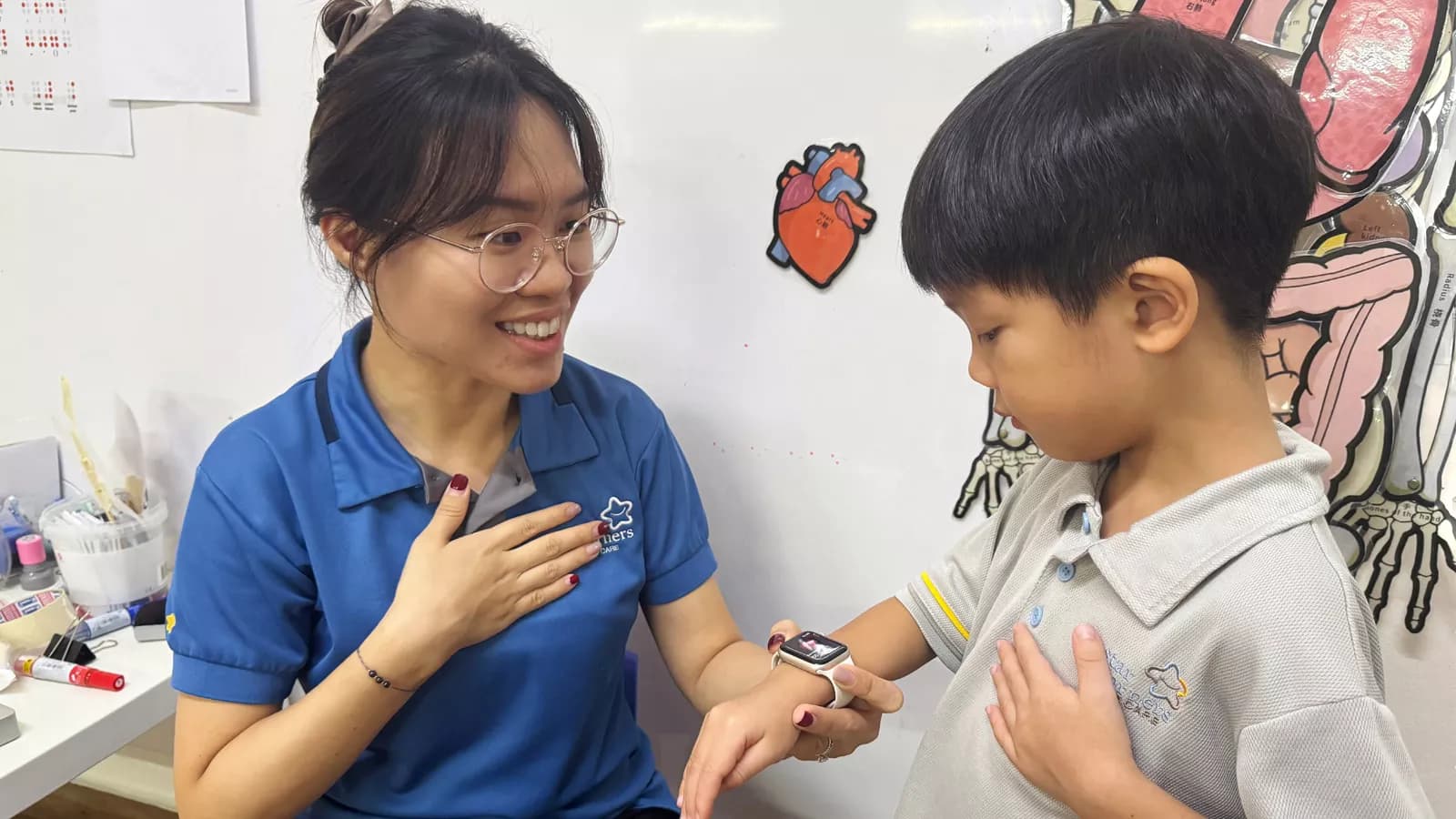
As part of the curriculum on the human body, children learn how the heart works with the help of a smartwatch. They measure their heart rates before and after exercise, while Ms Woon explains how fast and slow heartbeats are related to physical activity. This cultivates their scientific inquiry and Chinese language skills.

Star Learners @ Pasir Ris

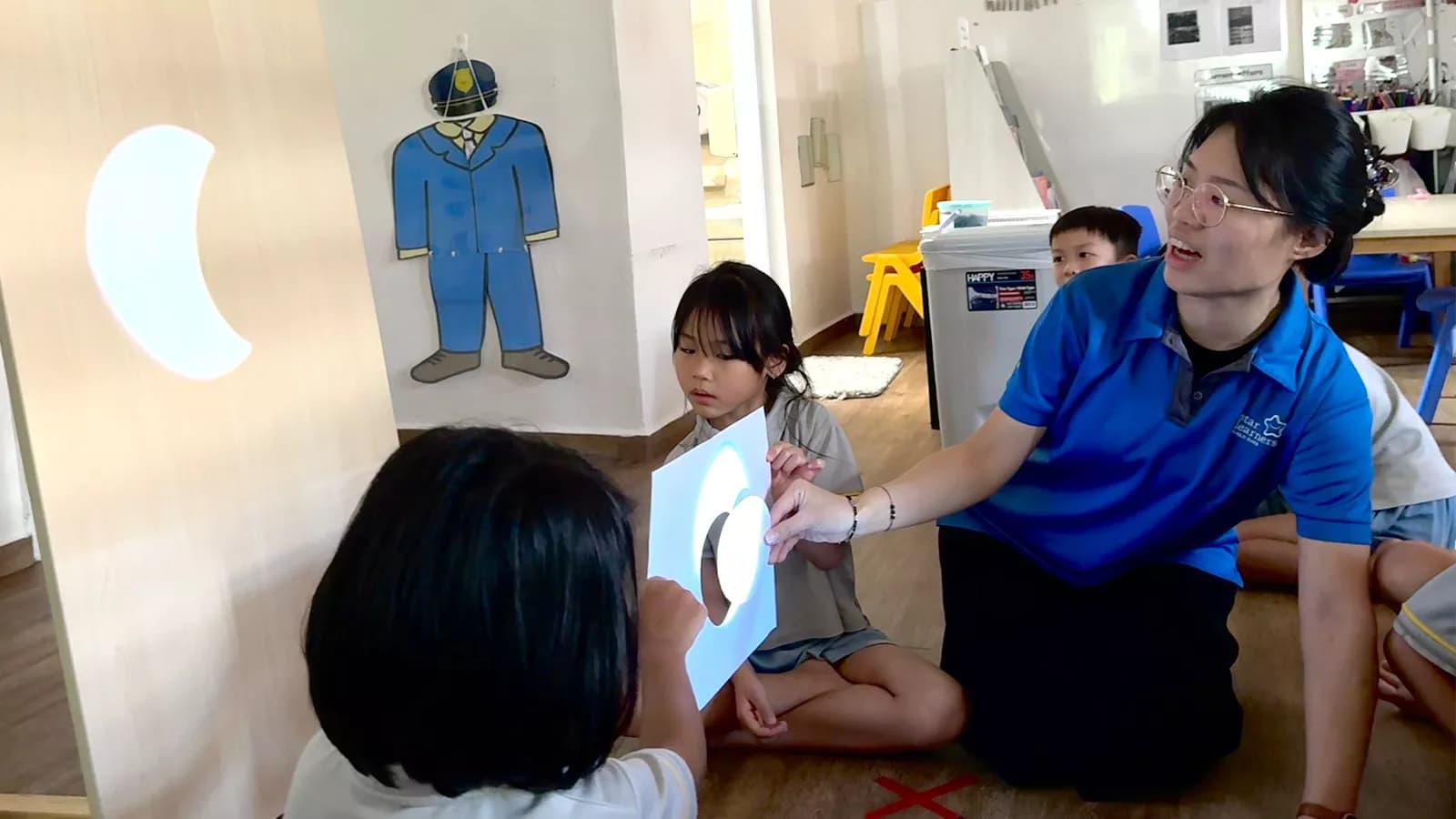
Extending the story of Papa, Please Get the Moon for Me (爸爸,我要月亮), children use flashlights and paper cut-outs to simulate the moon’s phases. “By adjusting the angle of the light source, they observe different shapes created by the cut-outs on the wall,” says Ms Woon. “It deepens their understanding of the plot and sparks their curiosity about natural phenomena.”

Star Learners @ Pasir Ris

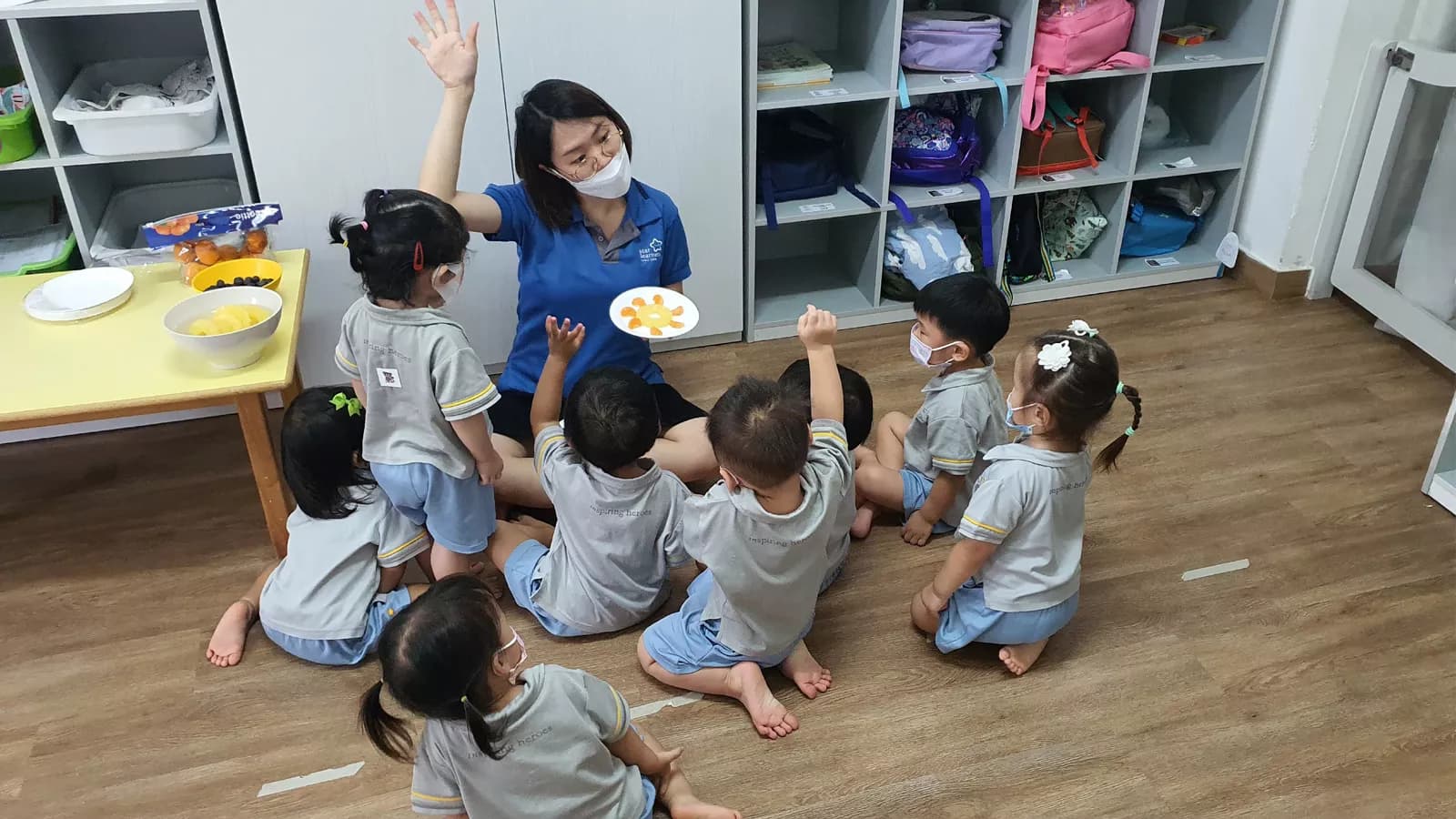
After reading the picture book, The Sun Loves to Eat Ice Cream (太阳想吃冰淇淋), Ms Woon gets children to use fruits to create an artwork of the sun. Integrating creative and aesthetic expression into Chinese lessons, and nurturing their holistic development, enriches the learning experience.

Before implementing her lesson plans, Ms Woon reflects on three key questions: Is the language difficulty age-appropriate? Does the lesson feature themes that interest the children? Does it allow them to acquire new knowledge through fun interactions that spark their curiosity and foster a sense of achievement?

Reflecting on teaching practices is just as important. “Do they imitate sounds? Can they follow the plot? Do they take the initiative to ask questions? These are clear indicators of interest in the language,” she says. “I then adjust my teaching methods, such as shifting a large-group reading activity to a small-group one for more targeted support.”

ADOPT A SYNCHRONOUS BILINGUAL APPROACH

At My First Skool at Blk 423 Yishun, it is common to hear MTL being spoken alongside English in class. Senior Tamil Teacher Ms Sutha d/o Kandasamy adopts this strategy during reading sessions and through various purposeful play activities with the children.

“Many children come from English-speaking households,” explains Ms Sutha. “Using both English and Tamil helps them understand Tamil words better and makes them feel more comfortable using the language.”

My First Skool at Blk 423 Yishun

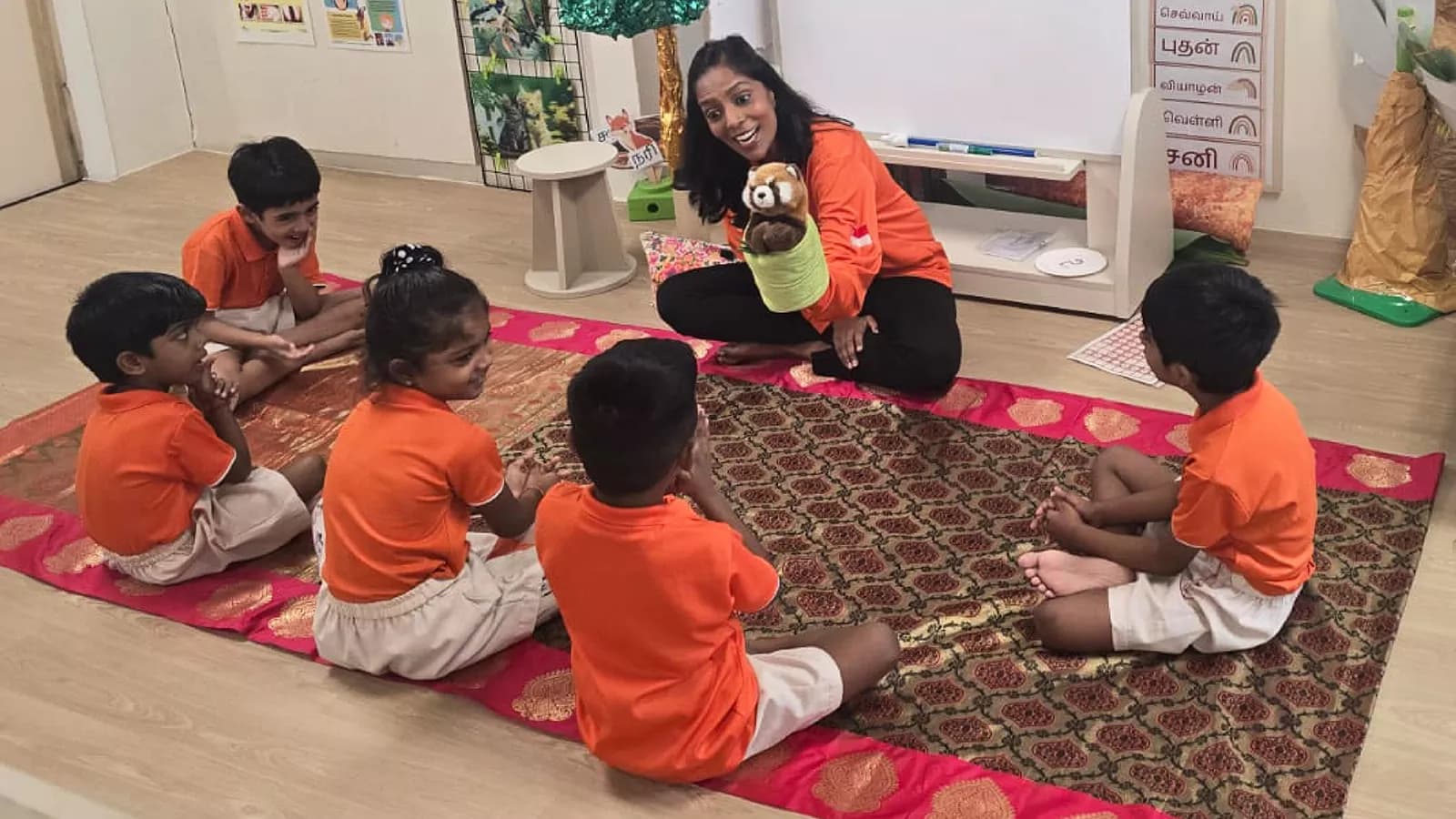
“It's important to incorporate fun into MTL reading programmes,” says Ms Sutha. Her class enjoys having puppets, such as Mala the red panda, tell stories. While doing this, she takes note of how often they attempt to use Tamil words; how they combine actions, gestures and words to express themselves; and whether they can understand simple Tamil instructions.

My First Skool at Blk 423 Yishun

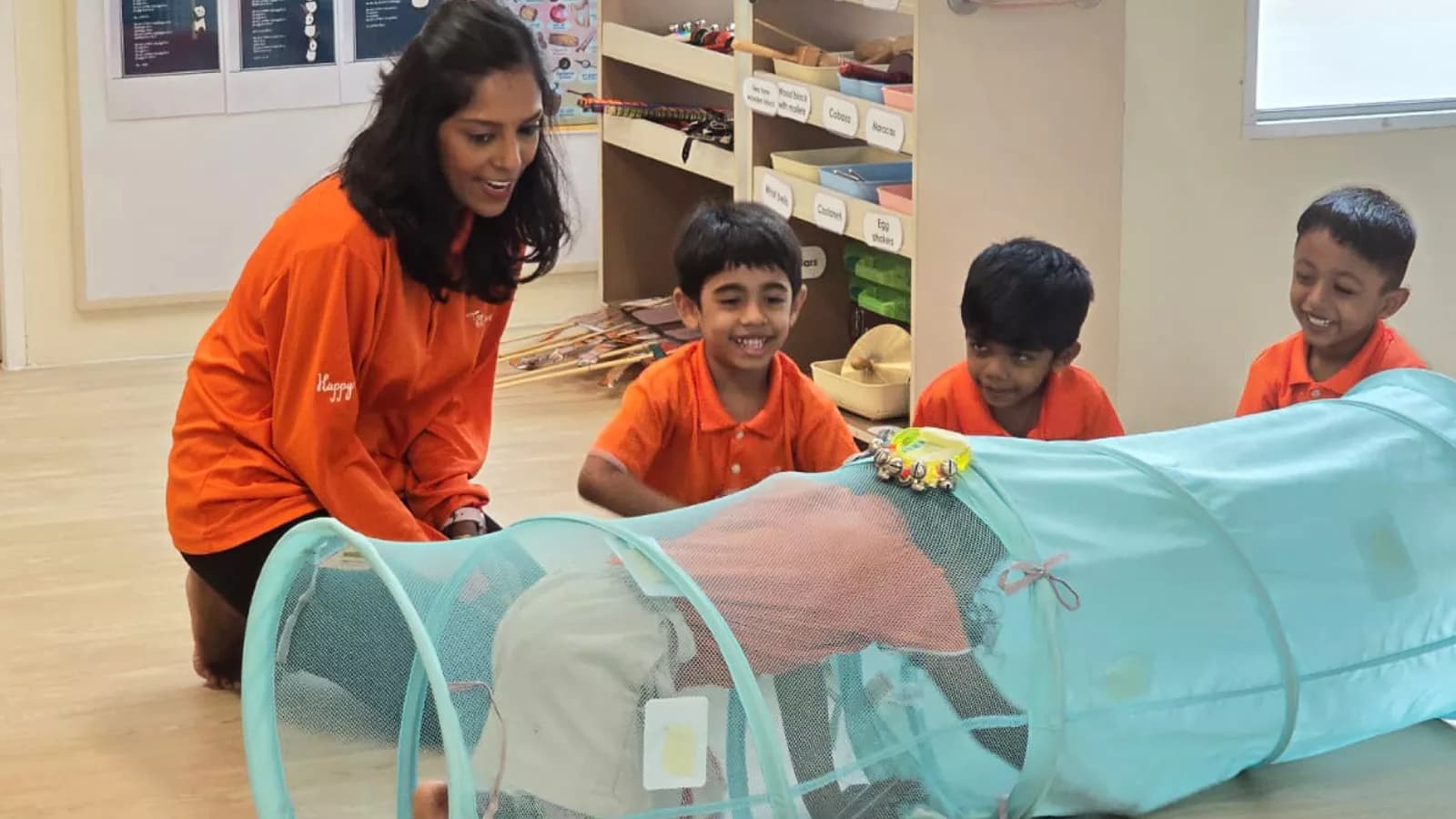
“I have designed gross motor games where children navigate obstacle courses, such as crawling through tunnels, while matching pictures to Tamil letters and words,” says Ms Sutha. “Such games keep children actively engaged as they listen to the language.”

My First Skool at Blk 423 Yishun

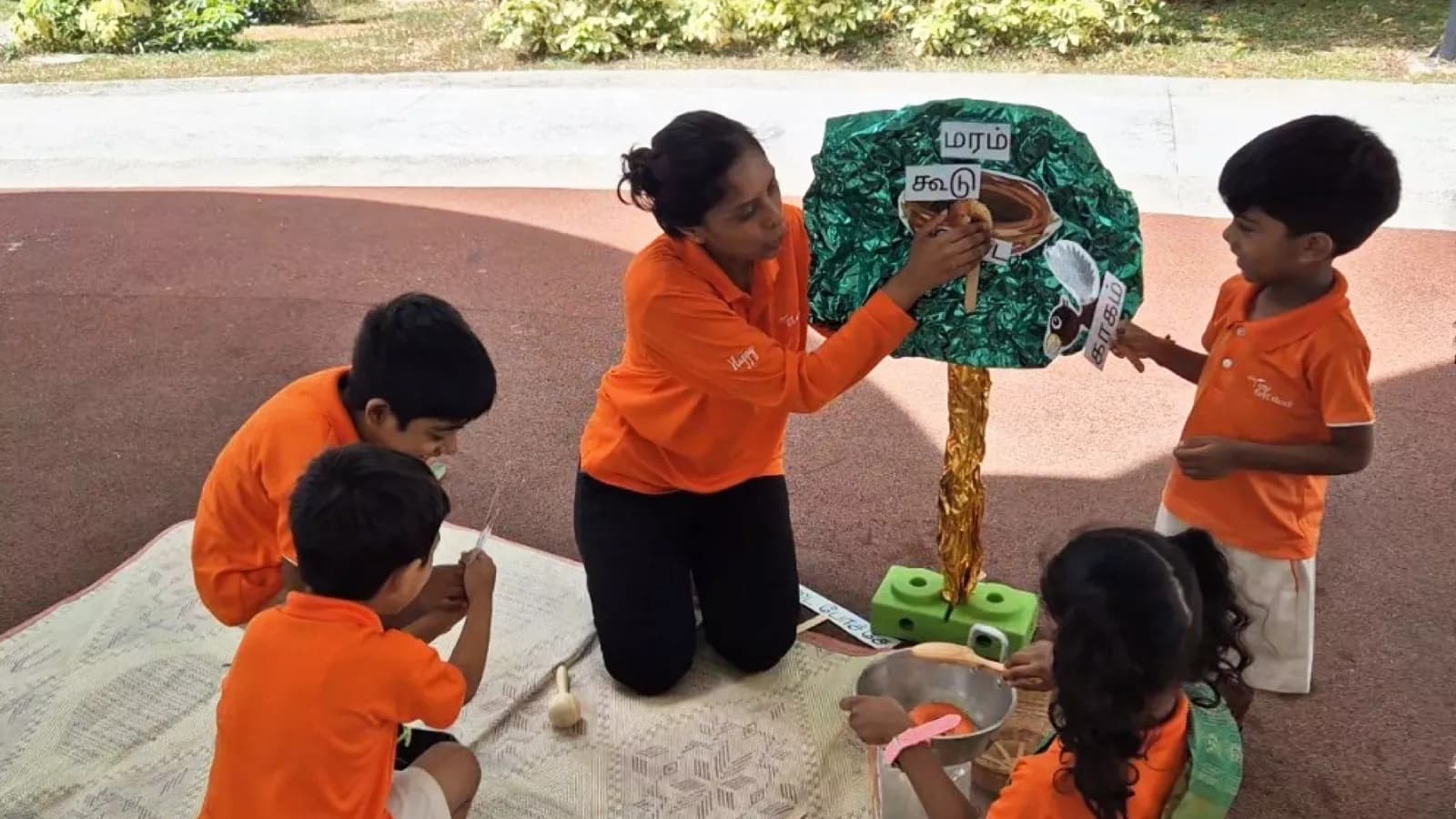
Ms Sutha often brings learning outdoors, like when she engages children in role-play to recreate characters and scenes from the stories. To prompt them, she provides short sentences for their dramatisation and songs related to the story.

During these activities, children are encouraged to express themselves in both English and Tamil depending on their language proficiency. This is one of the centre’s many differentiated instruction strategies, where the curriculum is tailored to meet individual learning needs. “For instance, when children are tasked with matching animals to their names, beginner learners identify the animals verbally, while more advanced learners match the pictures with the written words,” says Ms Sutha.

To stay current and relevant in her teaching practices, Ms Sutha actively participates in professional development courses. “These workshops have helped me design effective language learning experiences for children and create an environment that supports their holistic development,” says Ms Sutha. Recently, she has also incorporated digital tools like Word Wall to develop interactive online Tamil vocabulary games, adding another layer of fun and engagement to MTL lessons.

Parents, Get Involved!

Home support is a vital linchpin in MTL learning. It reinforces vocabulary and concepts taught in the classroom and helps children see the language as part of their everyday lives. Here are some practical tips to encourage bilingualism at home:

  • Sing along with children. Songs and rhymes are a fun way for children to practise MTL. Sing along with them at home. The catchy rhythms and melodies make it easier for children to remember words in a relaxed, joyful way.
  • Borrow bilingual books from the library. Many children's books come in both English and MTL versions. Use both to support dual language learning. Choose books that are appropriate for your child's language proficiency level.
  • Use manipulatives and labels. Reinforce MTL vocabulary about shapes, colours and numbers while your child plays with tangrams or jigsaw puzzles. Labelling common household items in MTL helps with repeated exposure to words in a meaningful context.
  • Introduce cultural elements. Involve your child in cultural activities, such as wearing traditional attire or trying out traditional musical instruments. These experiences nurture a strong sense of identity and deepen their awareness of culture and heritage.

Illustration of children engaged in a music activity with an adult

© 2025 Government of Singapore Page last updated on 05 September 2025
Follow Us
Beanstalk ECDA Facebook Page Beanstalk ECDA Instagram Page Beanstalk ECDA YouTube Page Beanstalk ECDA Flickr Page