

Q&A WITH

Director and Principal Clinical Psychologist, T.A.P: The Affinity People; Member, Advisory Panel on Parenting, Ministry of Social and Family Development (MSF)

Parent of two boys in K1 and Playgroup
Parents naturally want the best for their children. Watching them take unsteady steps or fumble with the buttons on their shirts can trigger a desire to step in and help. It’s instinctive — when we see them struggle, it feels like a call for help.
But how much help is too much? When parents intervene too often, it limits the child’s ability to develop important skills such as self-help, problem-solving and critical thinking. Children may become less independent and less motivated to learn.
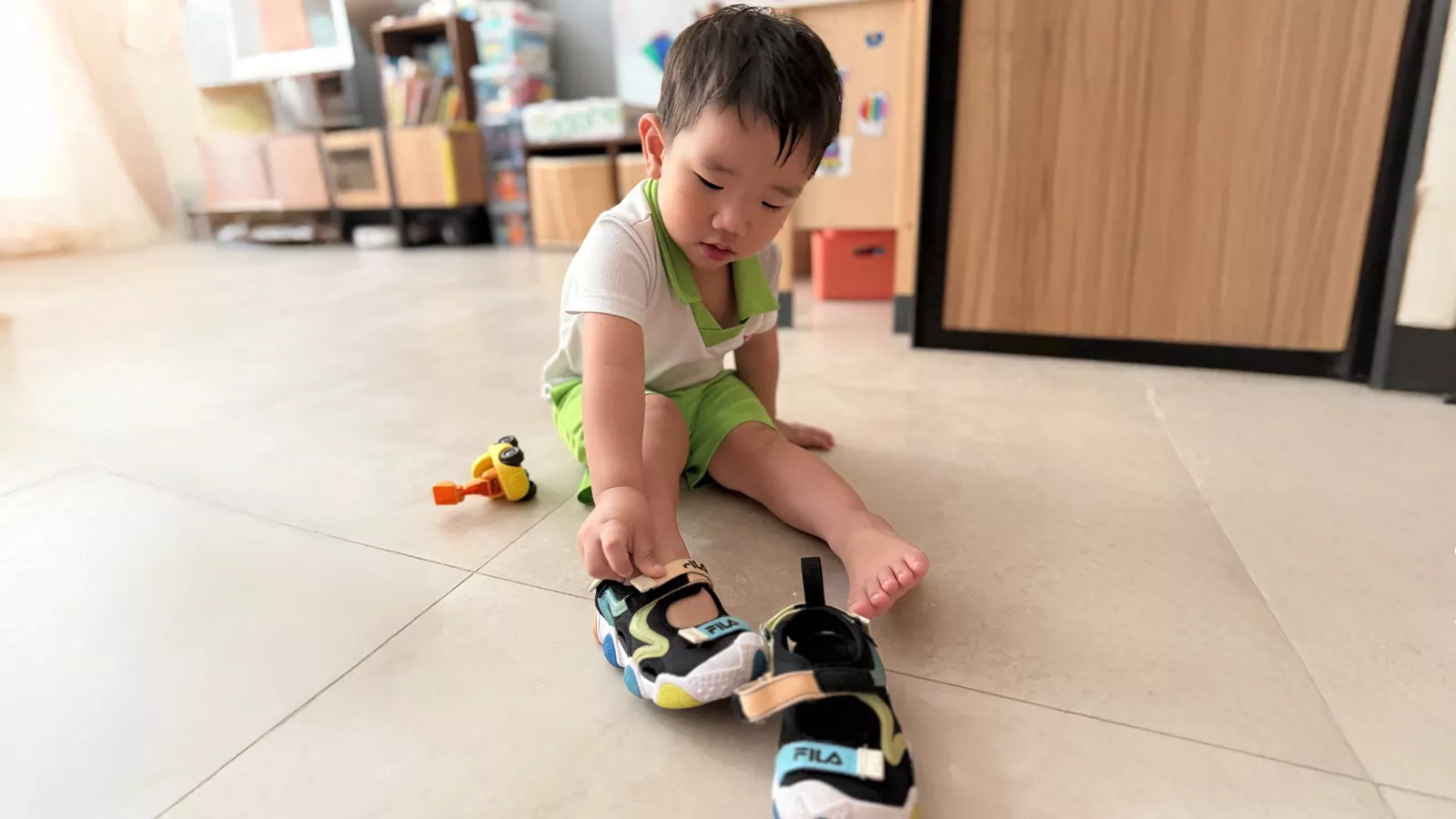 Learning to put on their own shoes is a major step in a toddler’s development, marking growth in motor skills, hand-eye coordination and independence.
How can parents strike a balance between giving children space to learn things on their own and shielding them from mistakes or failure? We explore this issue with clinical psychologist Dr Quah Saw Han, who sits on MSF’s Advisory Panel on Parenting; and a parent, Ms Angela Ling, whose sons Aven Tang, 5, and Atticus Tang, 2, attend Artemis Preskool @ Wisteria Mall.
OVERPARENTING: THE WHAT AND THE WHY
What is overparenting? Why does it happen?
Saw Han: Overparenting happens when parents become overly involved in their children’s lives, such as planning every small detail or doing tasks for them. It often stems from a desire to protect their children from mistakes or challenges, or perhaps not wanting to be seen as a bad parent. Time-pressed parents may also feel it’s easier and quicker to handle things themselves.
Angela: Parental anxiety can also come from peer pressure. When other parents express concerns about their children’s learning and development, I start to wonder if I should be more anxious about my sons’ progress.
What are some examples of overparenting that you’ve seen?
Saw Han: Common examples include parents constantly choosing their children’s outfits or dictating how toys should be played with. For instance, when a four-year-old plays with bricks, overparenting might sound like, “We’re trying to build a bridge, so the base needs to be stable.” Also, scolding children for being messy or for not using utensils while eating are some situations where parents can ease off and allow space for the child to express themselves and be a little messy.
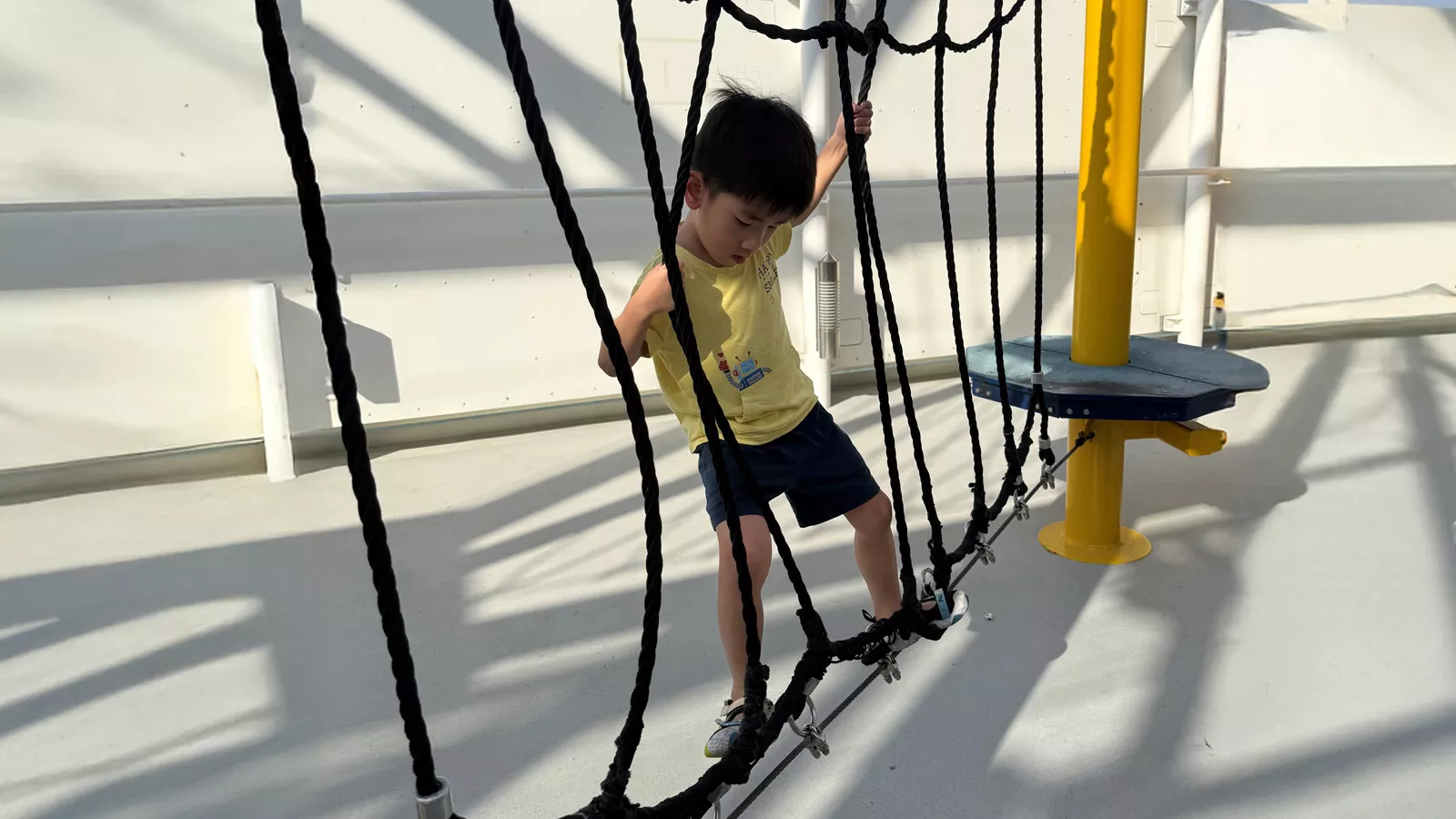 Another example of overparenting is when parents discourage their children from doing anything that looks even slightly risky, or constantly remind them to avoid danger, like at the playground. This hinders children’s ability to learn from failure, work through challenges and build resilience.
Angela: I understand the importance of letting children be themselves, but it can be a little tricky sometimes. My two-year-old is feisty — he shouts when things don’t go his way, or when I’m talking to someone and he wants my attention. I always feel like I need to correct this behaviour. I want my boys to be well-mannered, but it’s hard to teach young children about manners and managing their emotions.
CURBING THE PERILS OF OVERPARENTING
How can overparenting impact child development?
Saw Han: I’m glad you brought up emotional regulation, Angela. The brain’s emotional centre, located in the middle, controls our survival instinct, such as the fight-or-flight response to stress. The logical and calm part of the brain, which helps with emotional regulation, develops fully around 25 years old.
When parents focus too much on scolding, shaming and punishing, young children get stuck in survival mode. It becomes harder for their brains to develop those crucial emotional regulation skills. For preschoolers, it’s as basic as being able to describe their feelings.
Angela: That’s interesting. My husband and I don’t like to use physical punishment, but sometimes spanking seems to be the only way to get a reaction. We do worry about the long-term effects. When I must scold my sons — usually for safety, like when they run off instead of holding our hands while crossing the road — I try to follow up with gentle counselling and hugs later.
 Emphasising that each family’s journey is different, Ms Ling and her husband have navigated through their own experiences to find a balanced parenting style that works best for their children.
Saw Han: It’s important to connect before we correct. This ties into another key area of child development: the attachment relationship between parent and child. Parents should focus on building warmth with their little ones, ensuring they’re calm before addressing misbehaviour. This way, children feel loved and develop a positive self-identity. Otherwise, the child’s ability to learn effectively will be compromised.
How can parents reflect on whether they overparent?
Saw Han: First, look for signs of overparenting. I like to ask myself, “Is this something my child can do on their own?” Give them space to experiment within safe boundaries. Also, are you talking more than your child? If so, it might suggest that you make decisions without their input. We want to encourage children to make age-appropriate decisions.
Lastly, are you spending quality time by connecting with your child? Have meaningful conversations and listen patiently as they excitedly share their interests. Starting this habit while they are young helps strengthen your bond as they become teenagers.
Angela: Honestly, I’m more worried about being there enough for my boys than overparenting. As a working parent, I struggle with not having enough time in the day. No matter our schedule, maintaining a close bond with our children is key.
I give my children autonomy in choosing activities or which enrichment classes they would like to try. If they lose interest later, I remind myself to stay flexible as they are still young and exploring their interests. The most important thing is being present in the moment and attuned to their needs.
Are Our Children Learning the Right Way?
Want to know more about developmentally appropriate learning and what it looks like in the early years? Early childhood expert Dr Sirene Lim and ECDA Fellows Mrs Cara Wong and Ms Rita Lim discussed this issue in the second episode of beansTALK and addressed pressing parental concerns. Watch the vodcast now!