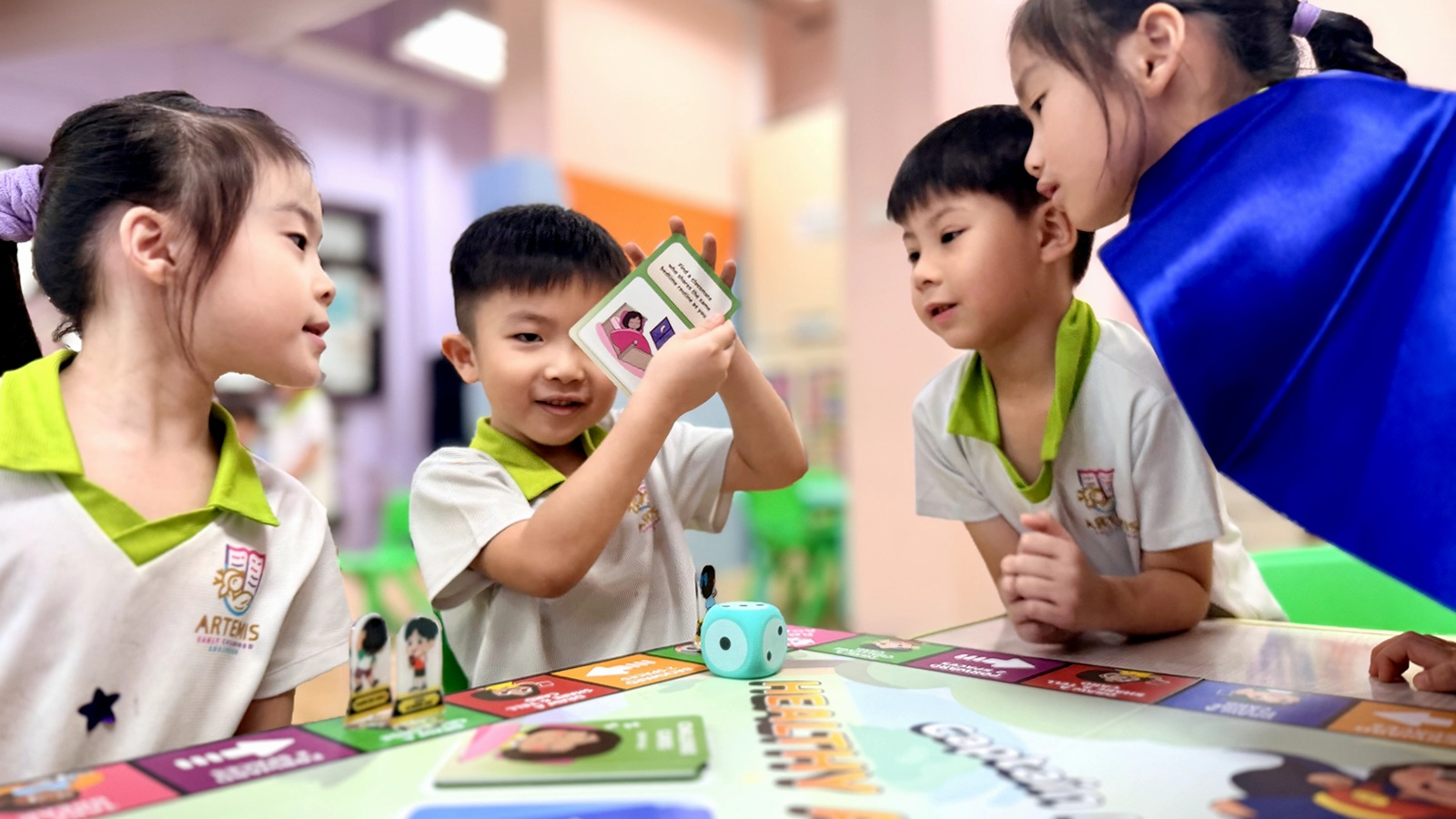



ABOUT OUR EXPERT

Dr Lam is a Research Fellow at the Centre for Holistic Initiatives for Learning and Development (CHILD), Yong Loo Lin School of Medicine, National University of Singapore (NUS). Her research focuses on responsive caregiving and strategies that support children’s social-emotional and executive function development. She also lectures on child development, special education and speech-language therapy at NUS and the National Institute of Education. .
Parents often dismiss children’s play as just messing around or a waste of time. But Dr Emilie Lam, a researcher and lecturer from CHILD-NUS, sets the record straight — moments like playing peekaboo, rolling a ball and pretending with dolls constitute active, real-world play where children move, talk, and use their imagination with people and objects around them (as compared to passively watching videos or playing games on screens), and are essential for their holistic development.
“When children engage with peers or caregivers during play, those moments are full of back-and-forth interactions, smiles, voices and eye contact,” explains Dr Lam. “These live interactions help them make sense of the world and the people in it in fun ways, building strength, coordination, creativity, problem-solving, social and emotional regulation skills.”
SUBSTITUTE SCREEN TIME
Active play is a brain booster and offers a healthy alternative to screens, especially when screens are viewed passively with little interaction or educational content.
Studies have shown that excessive screen time in infants and toddlers affects their physical health, sleep patterns, social-emotional skills and attention spans. Given these findings, the Ministry of Health’s (MOH) 2025 revised screen time guidelines encourage less screen time, promoting healthier, interactive play among the young.
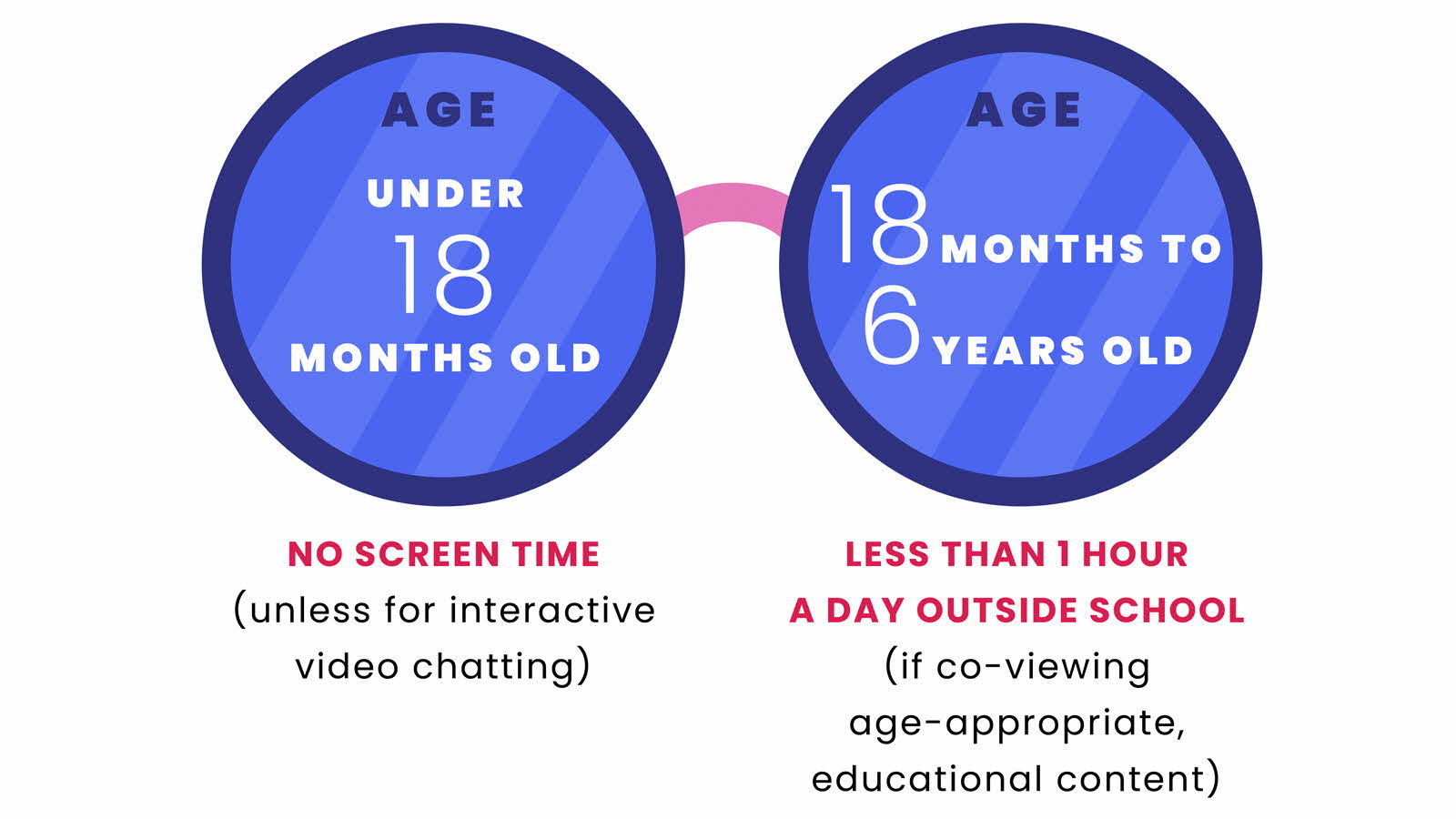 MOH’s recommended guidance on screen use in young children. The updated advisory is also available on HealthHub.
For Ms Sabrina Ng, a mother of three, MOH’s guidelines were a wake-up call to rethink the amount of screen time she allowed her youngest, three-year-old Zander. However, her attempts to introduce screen-free, play-based activities were more challenging than anticipated.
“Old habits die hard, for him and for us!” says Ms Ng, who has two other sons aged 14 and 11. “Zander was used to getting screens on demand to watch his favourite shows. Giving him the screen also gave us a chance to rest, eat meals in peace and use our own phones.
“To make the change, we had to change our habits too. For example, when Zander wanted to watch television, we offered books or toys instead. This meant we had to be willing to join in ourselves to make the activity more enticing to him.”
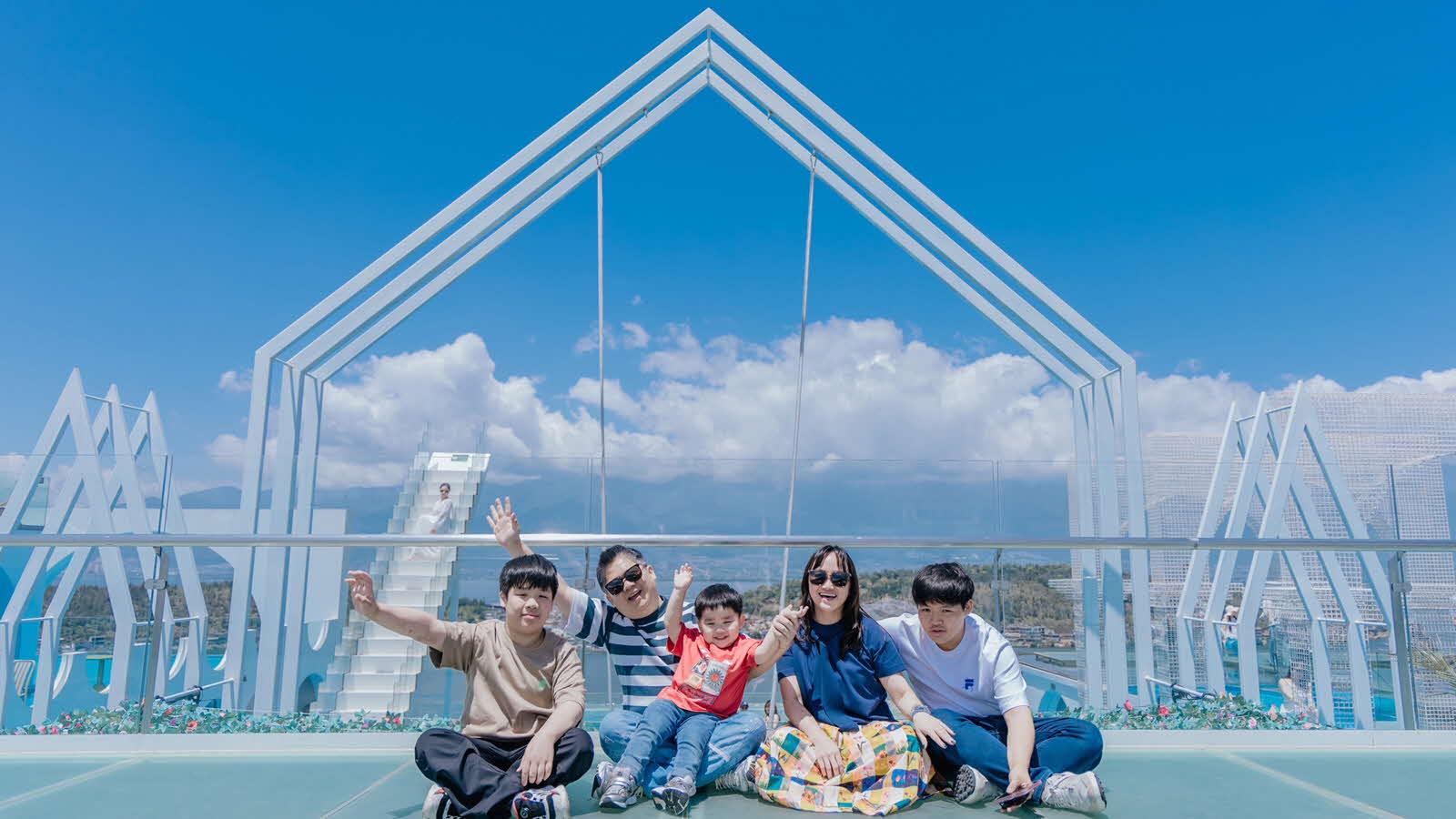 Three-year-old Zander Ng (centre), who attends My First Skool at Blk 219 Toa Payoh, with his family.
With time, patience and practice, Zander got used to less screen time, spending more time playing with his toy dinosaurs and flipping through picture books. “It’s about substituting screens with something fun — and convincing our child!” reveals Ms Ng.
PLAY THOUGHOUT THE DAY!
Play can happen anytime and anywhere, during designated playtimes or woven into daily routines, says Dr Lam. She reminds parents: “Be present, curious and responsive, whether it involves stacking blocks, singing songs or joining pretend adventures. This kind of engagement helps children of all ages learn, explore and grow.”
For infants (up to 18 months old):
- Mirror your baby’s expressions, sounds and actions during feeding, diaper changes or other daily routines to encourage playful interactions.
- Use simple games, such as peekaboo, hide-and-seek or rolling a ball back and forth, to nurture engagement and play skills.
- Follow your baby’s lead, where possible. Observe their interests and join in responsively.
For toddlers (19 months to 3 years old):
- Encourage movement through play. For instance, create a mini obstacle course using cushions and boxes for climbing and crawling.
- Suggest outdoor games, such as ‘I Spy’ on nature walks or tag at the playground. It helps children develop coordination and awareness of the world.
- Join in your child’s pretend play. ‘Feed’ a teddy bear, host a make-believe tea party with dolls or act out other imaginative scenarios together.
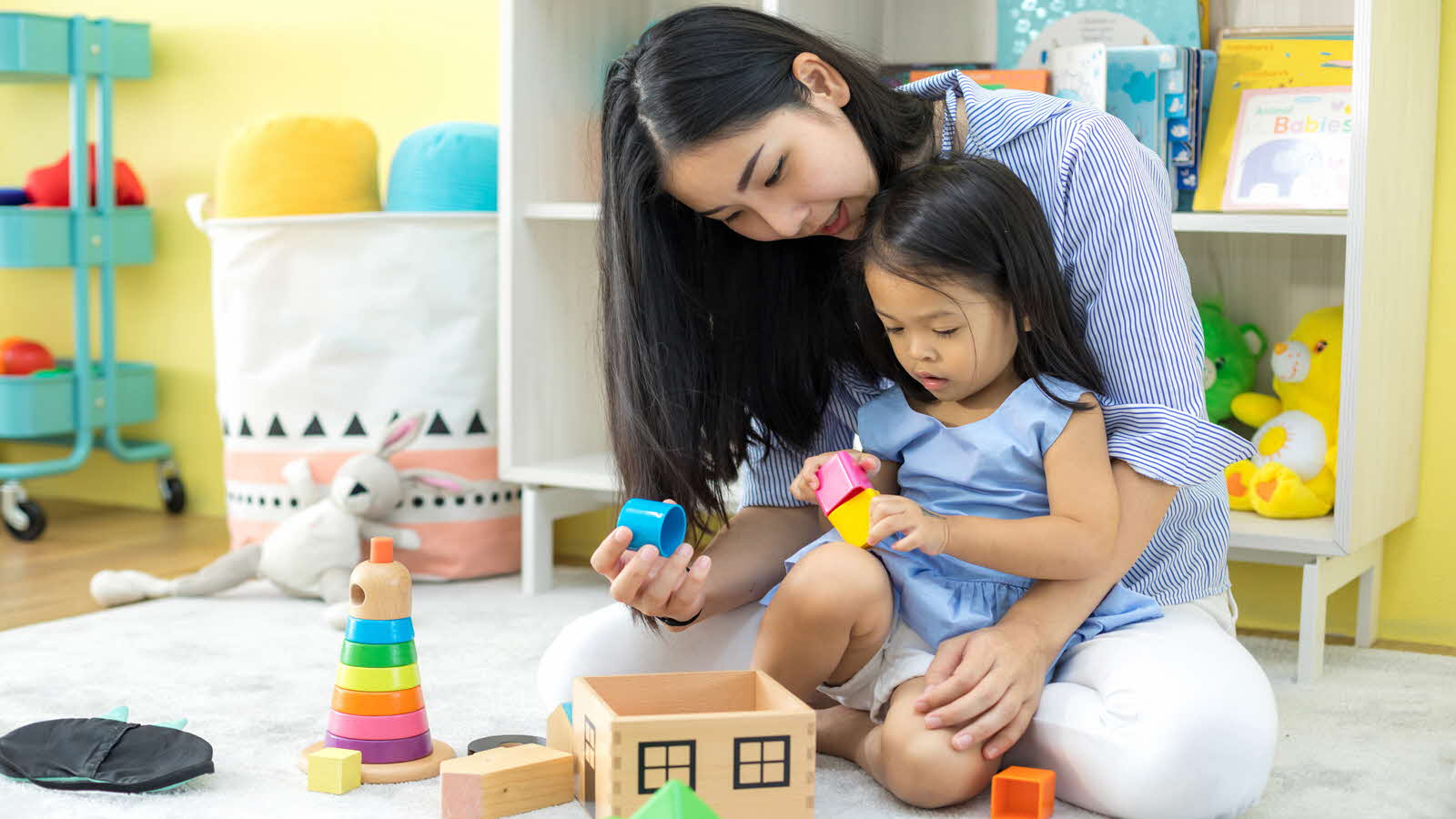 Parents, join the fun! The best way to encourage active play in children is to participate. Observe what your little one is doing and become part of the adventure.
For preschoolers (4 to 6 years old):
- Let their ideas and imagination lead the play. For example, build blanket hideaways, make simple crafts or play dress-up.
- Include them in cooking or baking, measuring ingredients and learning practical skills.
- Provide board games and building sets to foster teamwork and problem-solving.
BENEFITS OF ACTIVE PLAY
Unlike passive screen time, active play supports children’s development and learning. For instance, navigating playgrounds teaches children to face challenges, wait their turn and follow rules, building patience and resilience. Pretend play encourages perspective-taking, allows them to explore emotions and social situations, and develops creative thinking and problem-solving skills.
Through these experiences, children build communication and social skills and learn to manage their emotions — all while having fun. Dr Lam adds: “Active play naturally promotes language skills because children use words to share ideas, negotiate roles, express their feelings and listen to others. This improves their vocabulary and conversational abilities.”
In Ms Ng’s experience, when parents are fully present and put away distractions like phones, play becomes more enjoyable for children. “Children prefer interacting with their parents over screens,” she observes.
Of course, offering fun and engaging activities that children love (even if adults don’t) is key. “On days when Zander is fussier, we take him to the playground or, even better, a water playground. To him, it’s far more engaging than screens,” says Ms Ng.
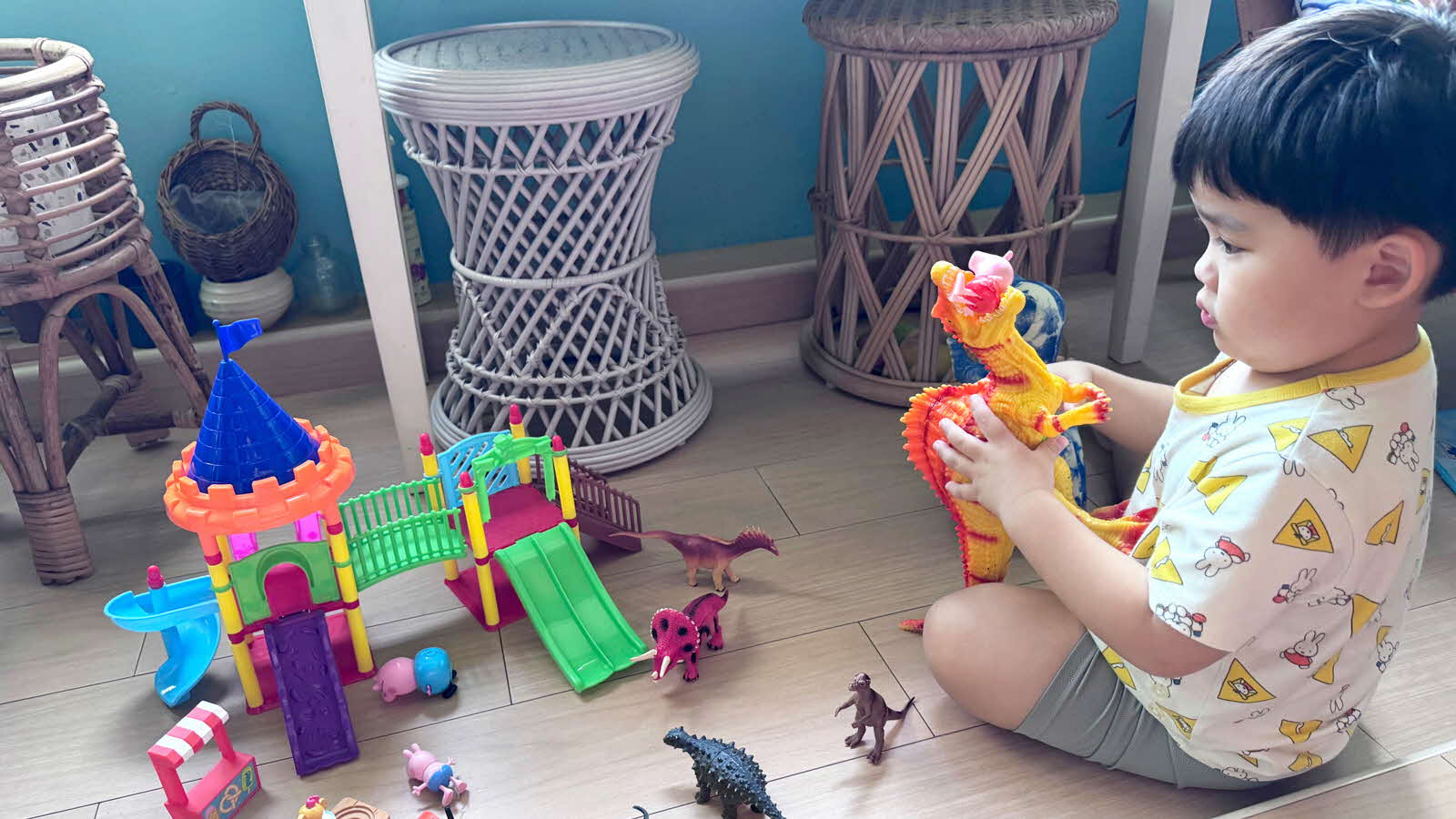 One of Zander’s favourite pastimes is to play with his toy dinosaurs and other characters and have them go on pretend adventures.
Since swapping screen time for active play, Ms Ng happily shares that Zander is now focused on activities that engage him in more meaningful ways. “During meals, instead of being absorbed with the phone, he enjoys his food and chats with us,” she says. “When playing outside with his brothers, he gets to be physical, soak up the sun and have precious family bonding time.”
Parents’ behaviours are pivotal in shaping children’s habits, Dr Lam emphasises. “When parents engage in non-screen activities, model balanced screen use, and prioritise real-world play and interaction, children are more likely to develop healthy screen habits and enjoy active, social play.”