



ABOUT OUR EXPERTS

ECDA Fellow and Head of Operations, M.Y World Preschool

ECDA Fellow and Deputy Director, Human Resource, Anglican Preschool Services
ECDA Fellow; Adjunct Lecturer, National Institute of Early Childhood Development; and Associate Faculty, Singapore University of Social Sciences
“Engaged and thriving educators”, says ECDA Fellow Ms Jane Choy, hold the key to the growth of the early childhood (EC) sector.
“When educators feel heard and their efforts acknowledged, they feel valued and motivated to do better in their roles. Children ultimately benefit from a stable, responsive and joyful learning environment,” she explains. “But if you have a disengaged educator, the impact on children can be quite profound.”
Together with ECDA Fellows Ms Ng Shu Ping and Dr Jacqueline Chung, Ms Choy launched the Inquiry-Based Action Plan (IBAP) project, ‘Engagement and Flow: Growing and Developing Sustainable Leadership and Teams’, for EC leaders. Their goal is to support emerging leaders to build positive work environments with high staff morale and deeply engaged educators.
WHAT IS SUSTAINABLE LEADERSHIP?
Many emerging EC leaders handle operations confidently but tend to struggle with the relational side of leadership. How do you engage educators meaningfully and help them feel satisfied and professionally fulfilled?
Drawing on Herzberg’s two-factor theory and Csikszentmihalyi’s flow theory, Ms Choy emphasises the importance of intrinsic motivation as the key to enhancing workplace well-being. When educators are inspired, they excel — and so do the children in their care.
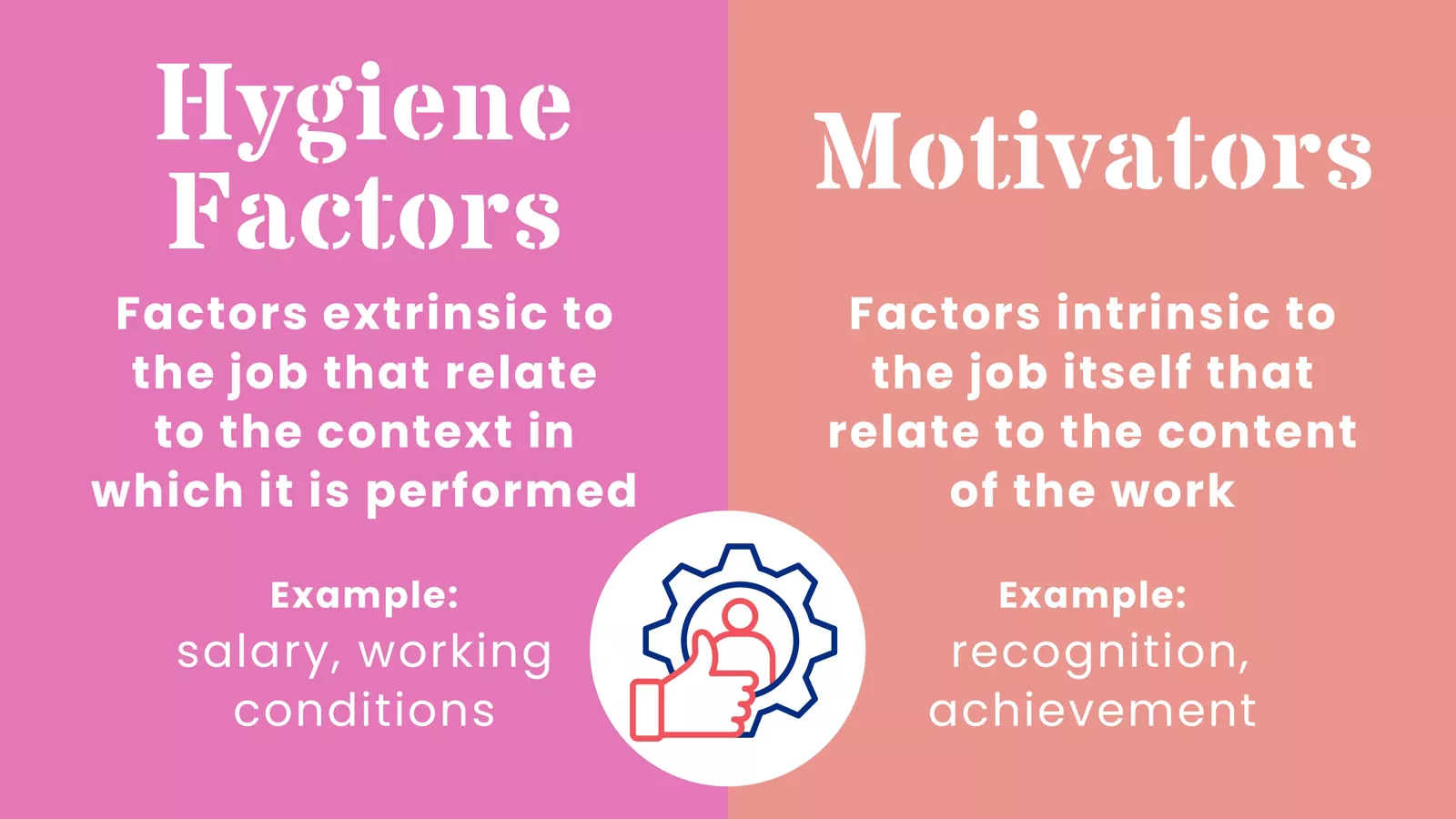 The two-factor theory distinguishes between hygiene factors (extrinsic) and motivators (intrinsic).
Herzberg theorised that job satisfaction has two dimensions:
- Hygiene factors — which prevent job dissatisfaction
- Motivators — which boost satisfaction, commitment and productivity
For EC professionals, motivation rarely comes from salaries or schedules. It comes from feeling seen, supported and challenged in meaningful ways. Leaders who understand what truly fuels satisfaction, beyond hygiene factors, can be game-changing.
Likewise, flow theory describes a state of mind where individuals are fully absorbed in an activity and experience deep engagement and enjoyment. Often called being ‘in the zone’, this state occurs during challenging tasks that stretch skills and align with passions, boosting intrinsic motivation and performance.
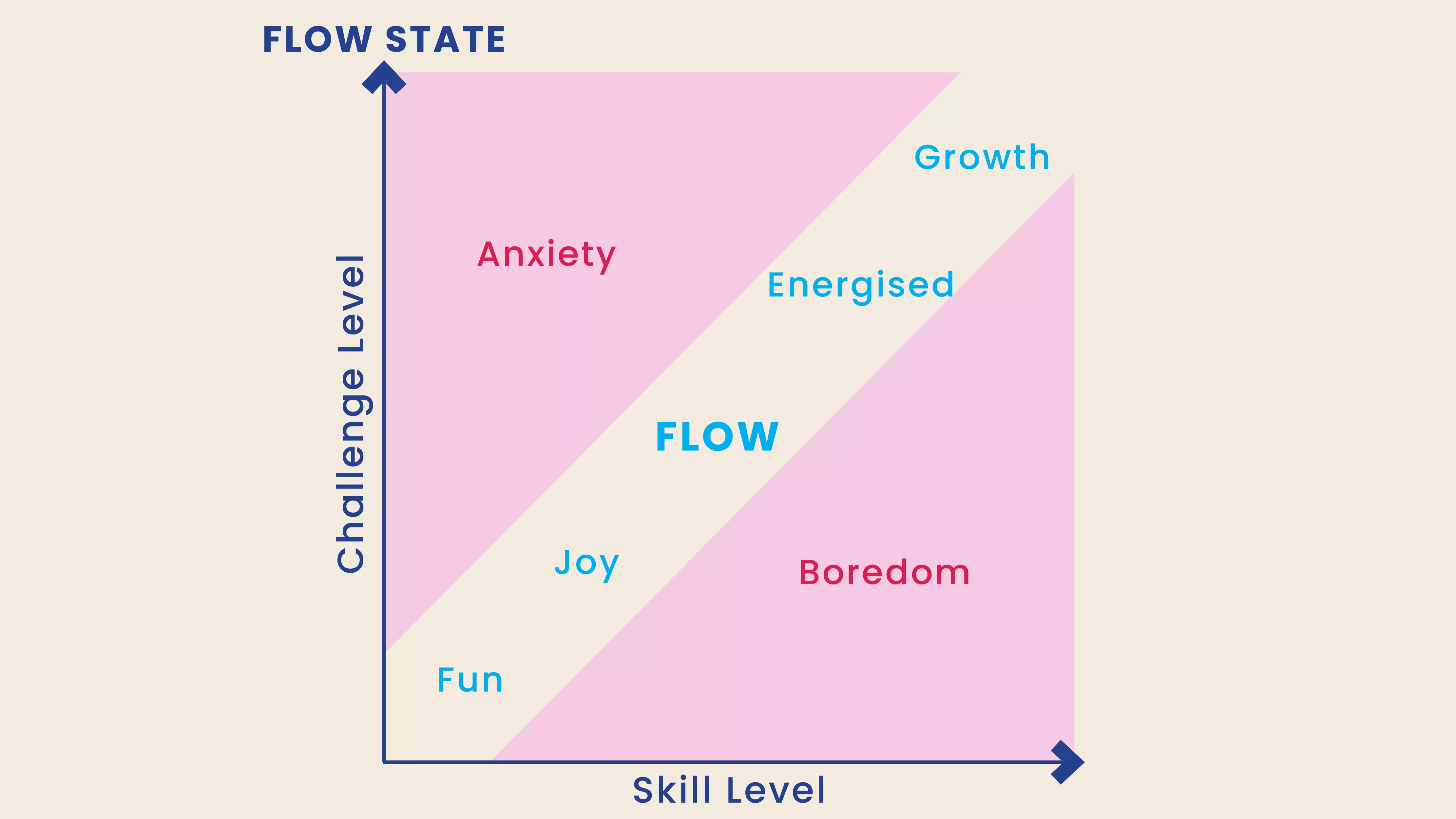 Achieving the flow state requires a balance between skill and challenge. If a mismatch occurs, it could lead to boredom (high skill, low challenge) or anxiety (low skill, high challenge). (Image adapted from: PositivePsychology.com)
Sustainable leadership is about fostering a supportive work environment and building a culture of care, trust and shared responsibility. It focuses on long-term impact, invests in the ongoing development of people and systems, and strengthens morale across the organisation. To achieve this, EC leaders must motivate and empower their teams, tapping into educators’ inner drive and helping them achieve their goals.
PUTTING THEORY INTO PRACTICE
During IBAP sessions, participants explored what makes a workplace well-being-focused and applied motivational theories to their respective preschools. For instance, roster planning was identified as a major stressor for one participant, with educators reporting exhaustion from covering shifts. Guided by IBAP facilitators, leaders proposed practical steps to reduce this source of dissatisfaction.
Ms Choy and her colleagues also introduced the Employee Engagement (EE 10) Framework, designed to help participants better understand, monitor and improve engagement within their organisations. It captures educators’ experiences through 10 “I” statements, grouped into four categories: Expectations & Resources, Satisfaction & Recognition, Team Culture & Well-being, and Growth & Development.
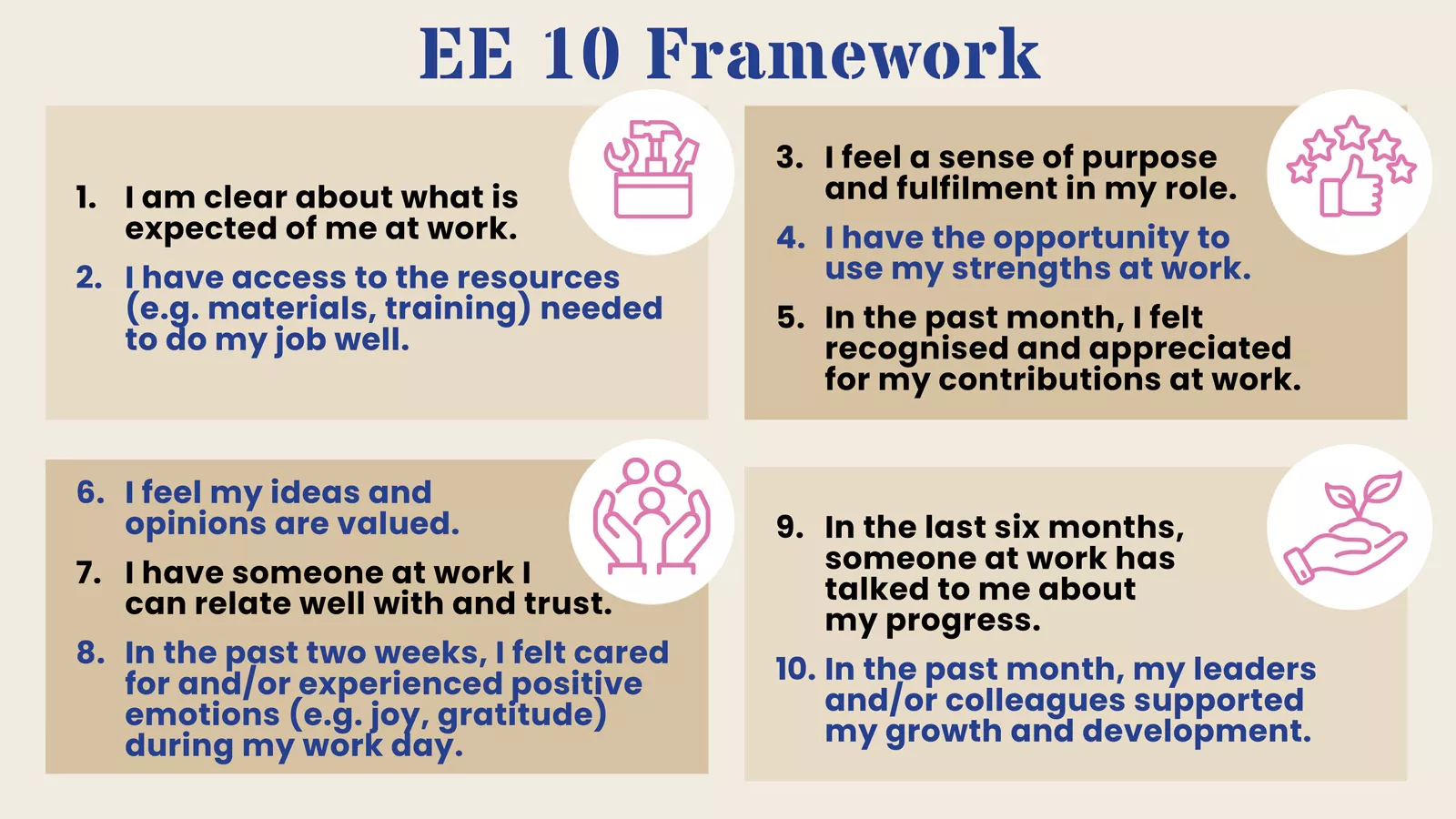 The 10 elements making up the Employee Engagement Framework are drawn from various existing structures and designed in the local context of the EC sector.
These 10 statements are more than just survey questions — they can be conversation starters. EC leaders can use this framework to strengthen their connections with their teams. For instance, start your next huddle by asking: “What does meaningful appreciation look like for you?” (Element 5)
Another recommended practice is coaching conversations, which enable leaders to support staff in a personalised, empowering and growth-focused manner. For instance, one centre leader noticed that her educators were struggling with classroom transitions. Instead of giving instructions, she used coaching to prompt reflection — asking questions like “Why are transitions difficult?” and “What could be done differently?”. Educators were encouraged to develop their own strategies, leading to smoother transitions and greater confidence in their abilities.
GUIDING PRINCIPLES FOR LEADERS: C.A.R.E.
While there is no magic formula for optimal engagement, Ms Choy suggests these guiding principles EC leaders can adopt:
- Check in regularly. Do quick pulse checks to understand how educators are feeling and how you can support them.
- Ask and listen to understand. Create a psychologically safe environment where staff feel heard, valued and respected. Active listening builds trust and morale.
- Reflect and build on team strengths. Apply Flow Theory by matching educators’ skills with appropriate challenges. When they experience joy and motivation in their work, children will benefit.
- Express appreciation often. Recognise effort consistently and celebrate both big and small wins.
“When leaders prioritise well-being, they model healthy boundaries of self-care and give their team permission to do the same,” adds Ms Choy. “This leads to lower turnover and stronger commitment from staff.”
Sustainable leadership isn’t about fixing every problem. It’s about creating the conditions where educators feel empowered to rise to the challenge. When educators are seen, valued and supported, they don’t just stay; they shine. And when they shine, so do our children.


