
ABOUT OUR EXPERT

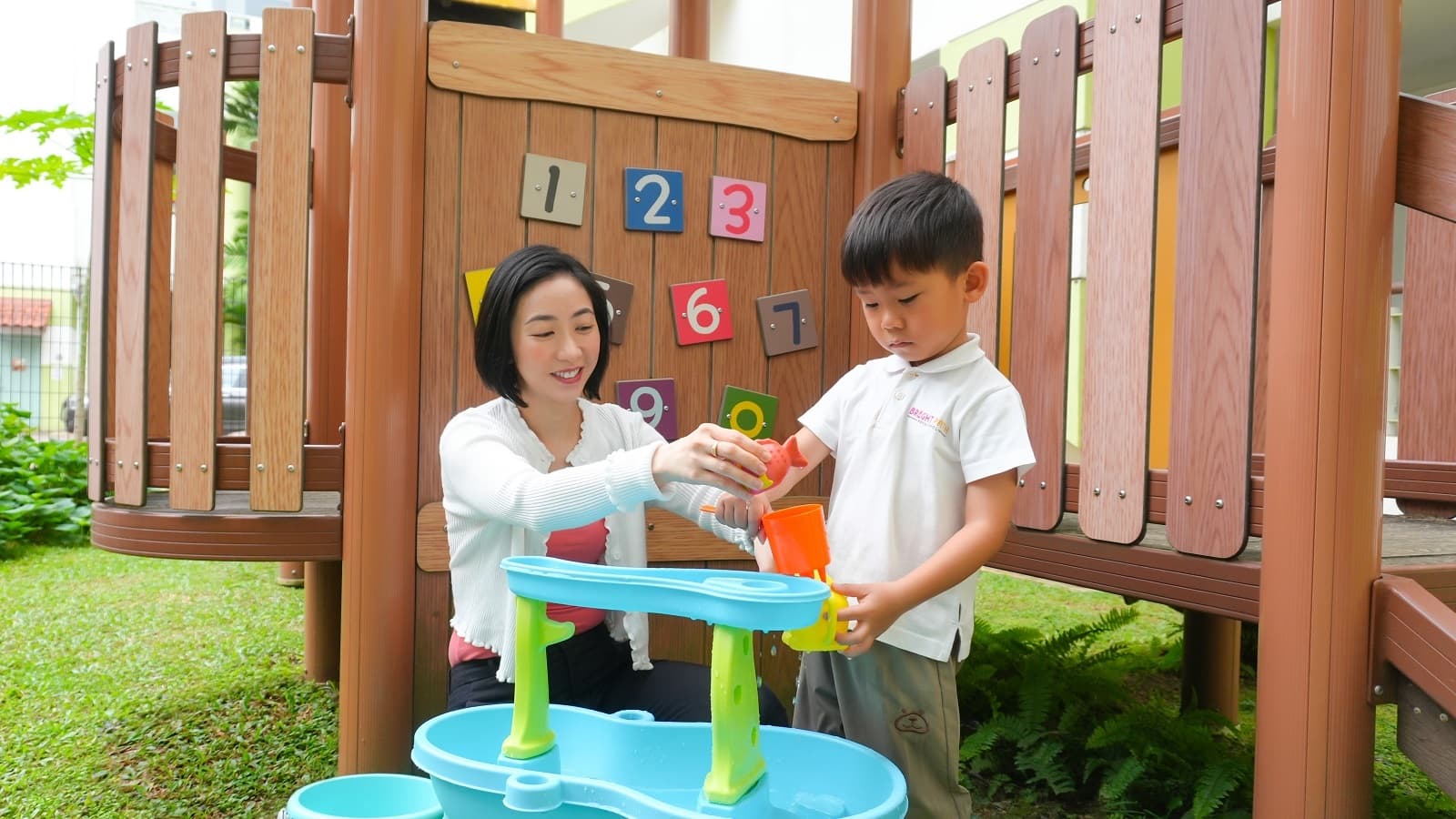
Ms Raihan is a Senior Lecturer in the Diploma of Early Childhood Development & Education course at the National Institute of Early Childhood Development (Ngee Ann Polytechnic). Dedicated to nurturing both pre-service and in-service early childhood (EC) educators, she emphasises positivity, creativity and resilience in shaping dynamic EC classrooms that leverage the dynamic home-school-community partnership.
A preschool educator is leading a science experiment to find out how objects behave in water. The object she predicted would float does the opposite. Instead of hiding her surprise, she reflects aloud: “I wonder why it sank. Maybe it’s heavier than I expected.” She invites the children to share their ideas, test them and record what happens.
Before long, the children begin to imitate her reflective talk: “I thought this would float, but it didn’t. Maybe it’s because it’s too big.” They start asking their own questions, revising their thinking, and developing inquiry and problem-solving skills. The classroom culture shifts to one where making mistakes is seen as part of learning.
When EC educators adopt reflective practices and model them in the classroom, it positively shapes children’s learning and nurtures a culture of inquiry. Professional self-reflection also helps educators identify their strengths and growth areas, leading to more intentional and effective teaching practice.
MAKE TIME TO REFLECT
Set aside 10 minutes at the end of each day or after a lesson to analyse how things went. Once a week, consider allocating 30 to 60 minutes to reflect on broader themes — such as patterns in children’s behaviour, progress or overall teaching goals.
Here are some tips to incorporate reflection into your routine:
- Journaling: Jot down one or two sentences after each lesson on what worked and what didn’t. This helps you capture insights for deeper analysis later. For example, a journal entry might read: “The children had difficulty grasping today’s concept. I need to make it more engaging next time, like using visual aids or interactive activities.”
- Reflective prompts: Keep a set of guiding questions handy, such as “What did I learn about the children today?” or “How well did I adapt to the children’s needs?”, to guide your reflections.
- Collaborating with colleagues: Hold short, informal reflection sessions with a co-worker. Discuss challenges, share successes and brainstorm solutions together. This is also a great opportunity to gain fresh perspectives.
TAKE A SYSTEMATIC APPROACH TO REFLECTION
Reflection goes beyond identifying what worked or didn’t work. It involves asking why things happened the way they did and how to grow from those insights.
Several frameworks can guide meaningful reflection. One is Gibbs’ Reflective Cycle, which breaks down the reflective process into clear, manageable chunks.
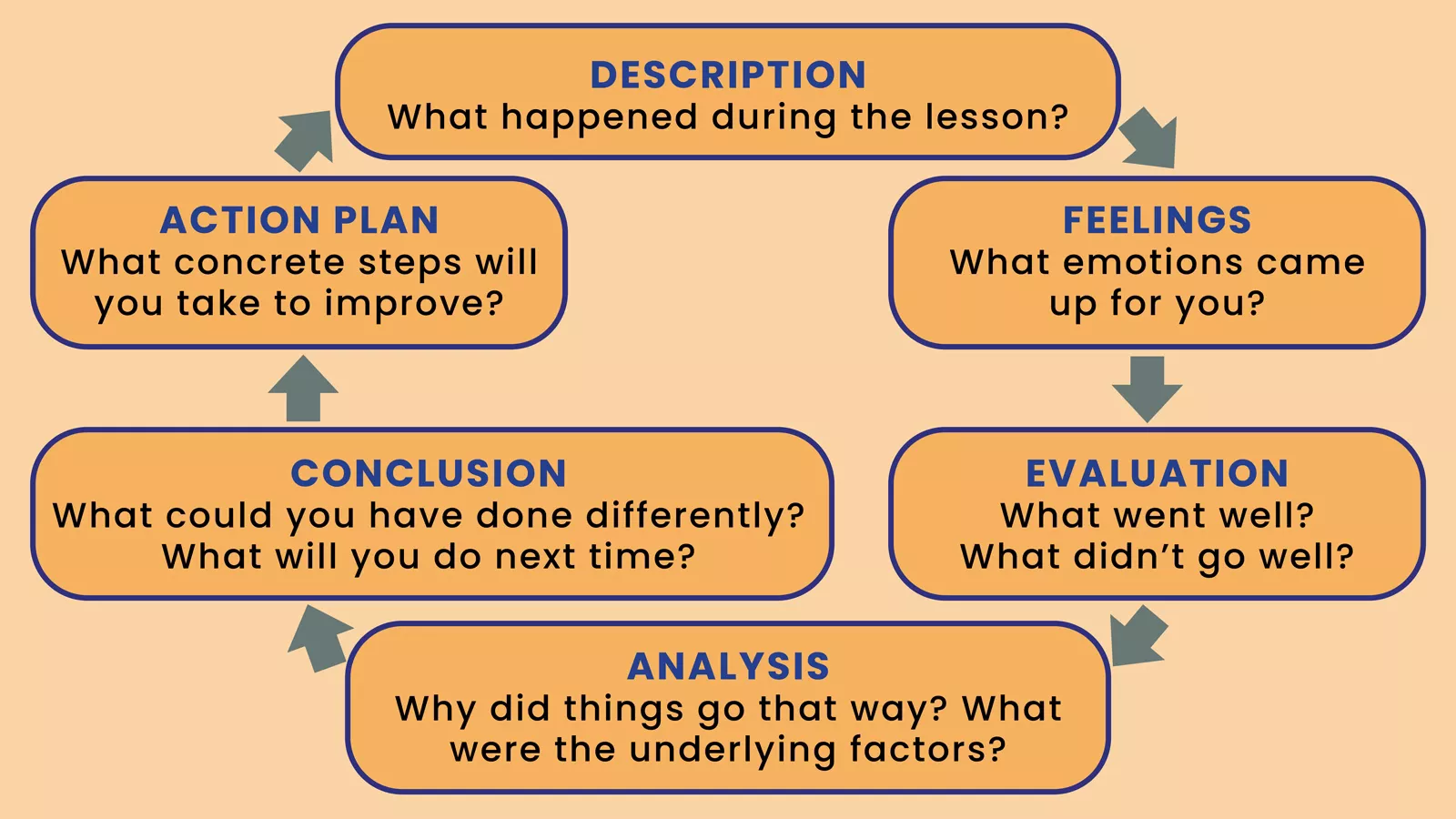 Developed in 1988, Gibbs’ Reflective Cycle breaks down reflection into six distinct stages.
Another useful framework is Kolb’s Experiential Learning Cycle, which emphasises learning through experience to inform future practice.
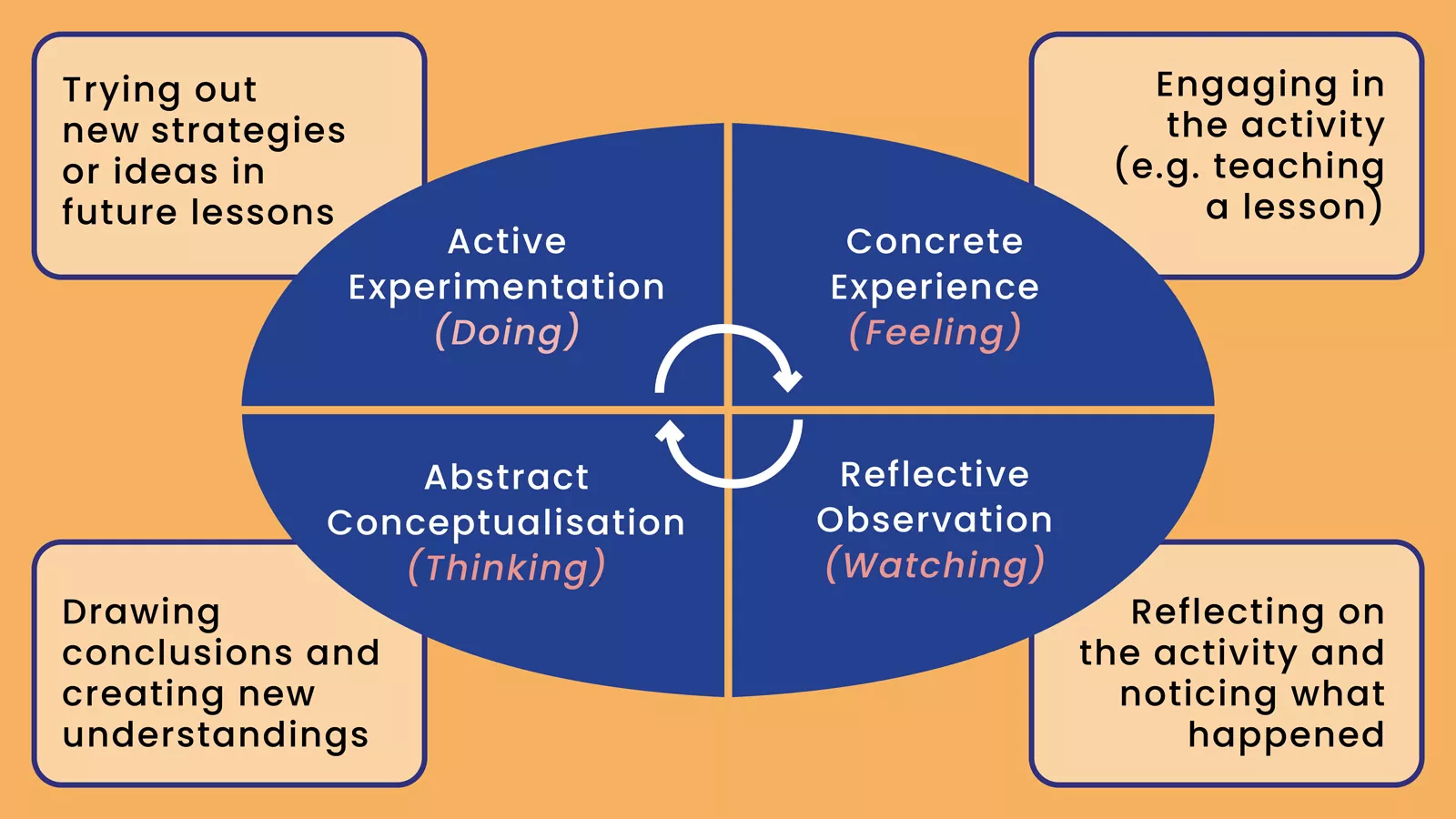 Developed in 1984, Kolb’s Experiential Learning Cycle describes learning as a four-step process where knowledge is created through the transformation of experiences.
Through regular self-reflection, educators can identify their strengths, address their growth areas, and enhance their ability to meet children’s needs. Consider focusing on:
- Feedback from children: Observe their reactions and responses, such as confusion during an activity or frustration with a concept.
- Unexpected outcomes: If an activity goes better or worse than planned, explore the reasons behind it.
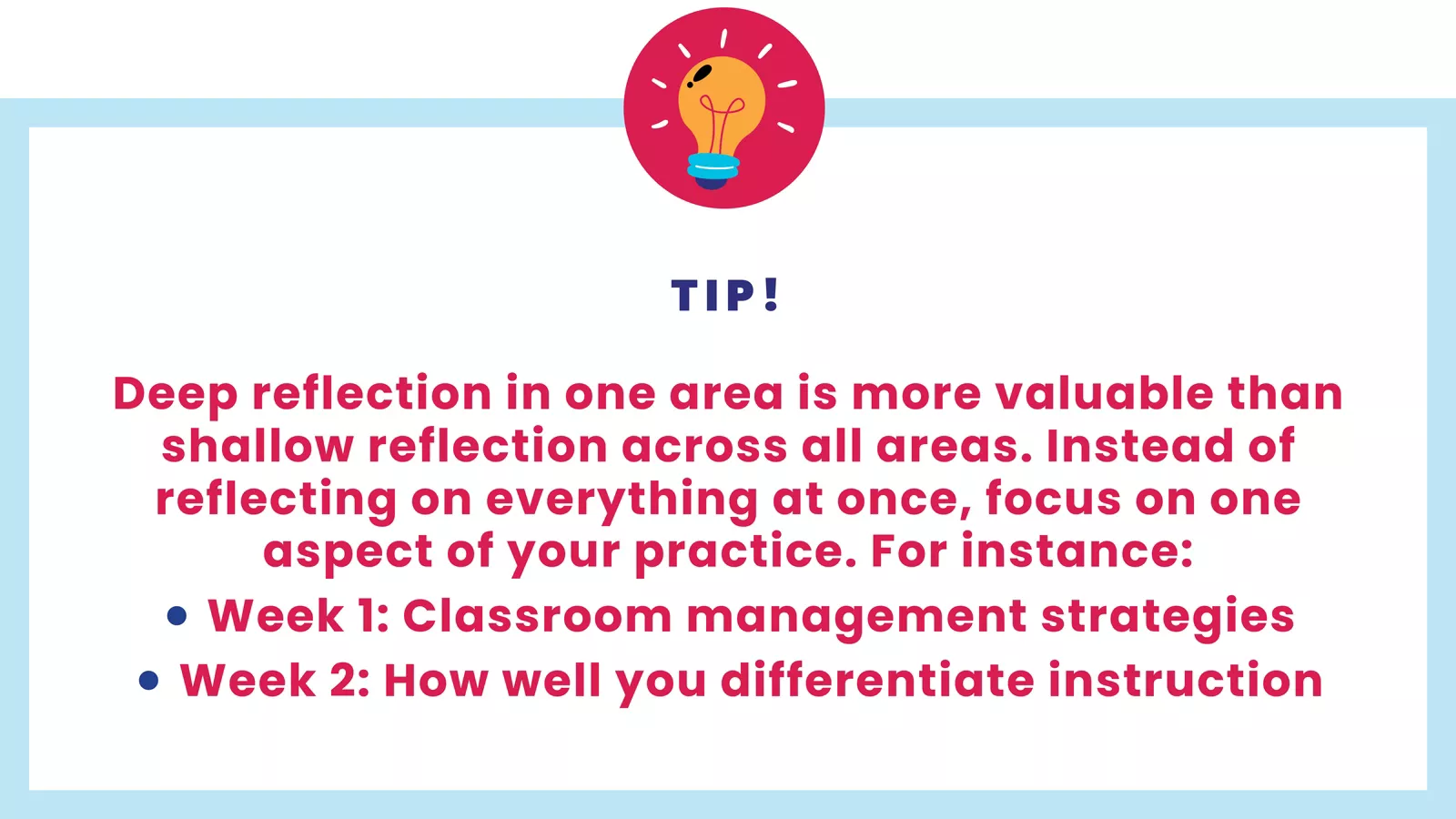
- Chronic struggles: Persistent issues or challenges (e.g. classroom management or children’s engagement) may signal areas needing deeper reflection.
MODEL A LIFELONG LOVE FOR LEARNING
Educators who actively reflect model openness, curiosity and resilience. By expressing their curiosity aloud, educators show that asking “why” and “how” is valued. These qualities foster a culture of inquiry and love for learning among children.
For instance, instead of providing answers, a reflective educator might say, “I don’t know the answer yet. Let’s find out together.” This helps children see that not knowing is part of learning. It encourages them to develop skills in critical thinking and problem-solving.
As in the float-or-sink experiment above, reflective educators embrace challenges and mistakes as growth opportunities. In turn, children become more willing to take risks, persist in tasks, and develop resilience — nurturing a positive mindset towards challenges that lasts well beyond the preschool years.