



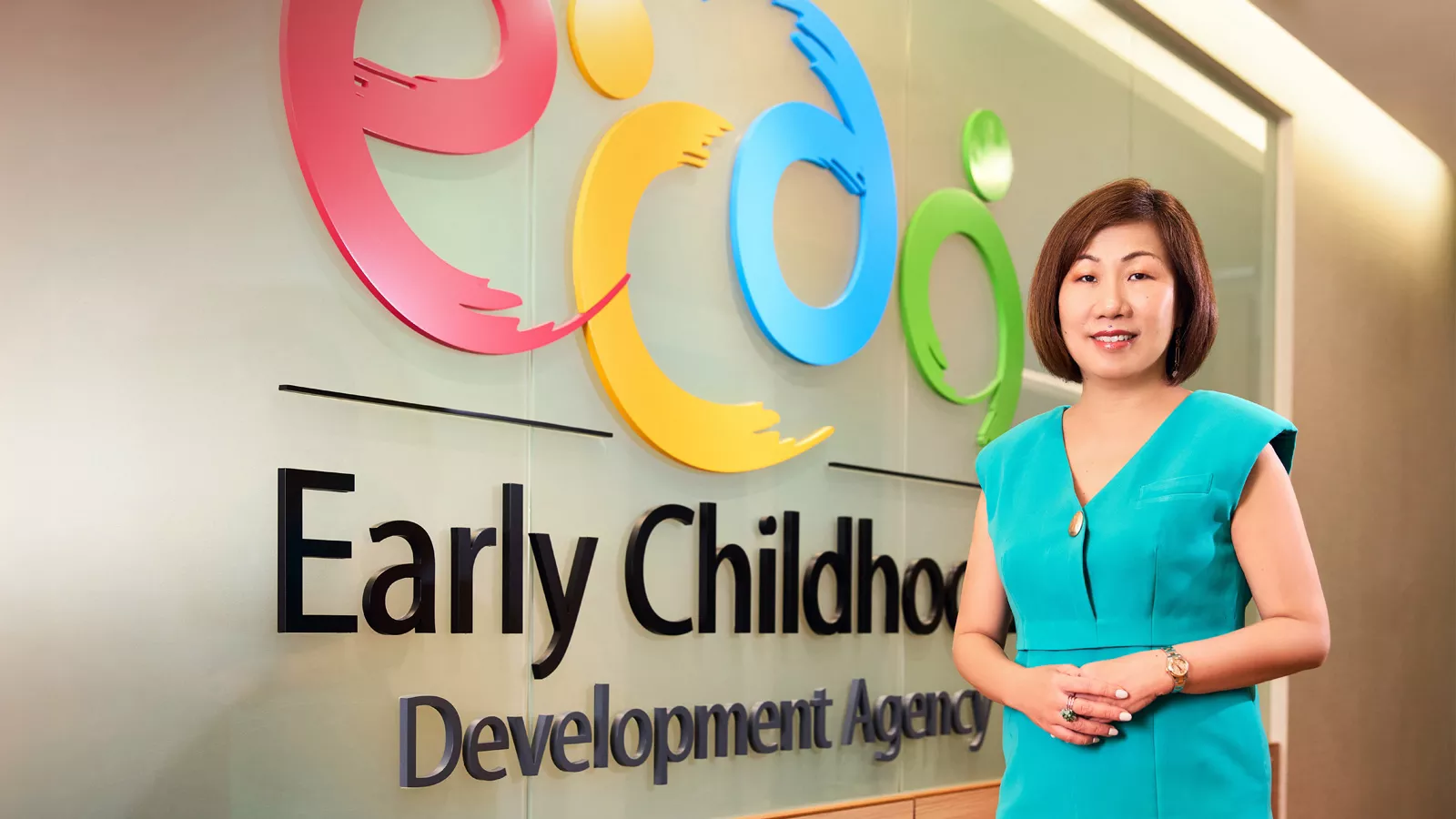

On 1 May 2025, ECDA welcomed a new Chief Executive Officer, Ms Ku Geok Boon. Many may recognise her as the founding CEO of SG Enable, the focal agency for disability and inclusion in Singapore, having held that role for more than a decade from 2013 to 2024.
Having stepped into the new position for about three months, let’s get to know her better!
SHE BELIEVES IN THE 3Cs FOR HER THREE CHILDREN
Her sons — aged 28, 26 and 21 — may be adults now, but Ms Ku still remembers her parenting philosophy as a young mum: Let children be children.
“All children need to play — hard,” she shares. “When my boys were small, the first question I would ask them after they came home from school wasn’t ‘What homework do you have?’, but rather ‘Did you have fun today?’. While learning the ABCs and 123s was important, it mattered more to me that they had a wholesome growing-up experience. That gave them the space to develop what I term as the 3Cs: curiosity, confidence and care for others.”
She hopes every family and every preschool shares the same outlook for children. Exposing children to non-academic pursuits, such as arts and sports, is essential to help them develop holistically and grow stronger. “Happy, healthy children are what we want,” adds Ms Ku.
2SHE HAS EXTENSIVE EDUCATION AND LEADERSHIP EXPERIENCE
Before Ms Ku sat in boardrooms, she taught students in classrooms! The former English and history teacher spent almost 20 years in the education sector, and became a school leader in the latter half of her career. Just as ECDA was being set up in 2013, she was appointed as the first CEO of SG Enable.
Ms Ku is proud of how her team at SG Enable brought together like-minded stakeholders to achieve greater disability inclusion. For example, at the Enabling Village, partner organisations including the Autism Resource Centre, MINDS and SPD are co-located in one space, where they collaborate with training and employer partners to support persons with disabilities.
Regardless of which sector she serves, Ms Ku believes the same principles of leadership apply. “When given a chance to lead, you must have kindness and empathy,” she says. “It's about walking in someone else's shoes, being sensitive to people around you, and being part of a team.”
3SHE AIMS TO ENHANCE EARLY CHILDHOOD INCLUSION
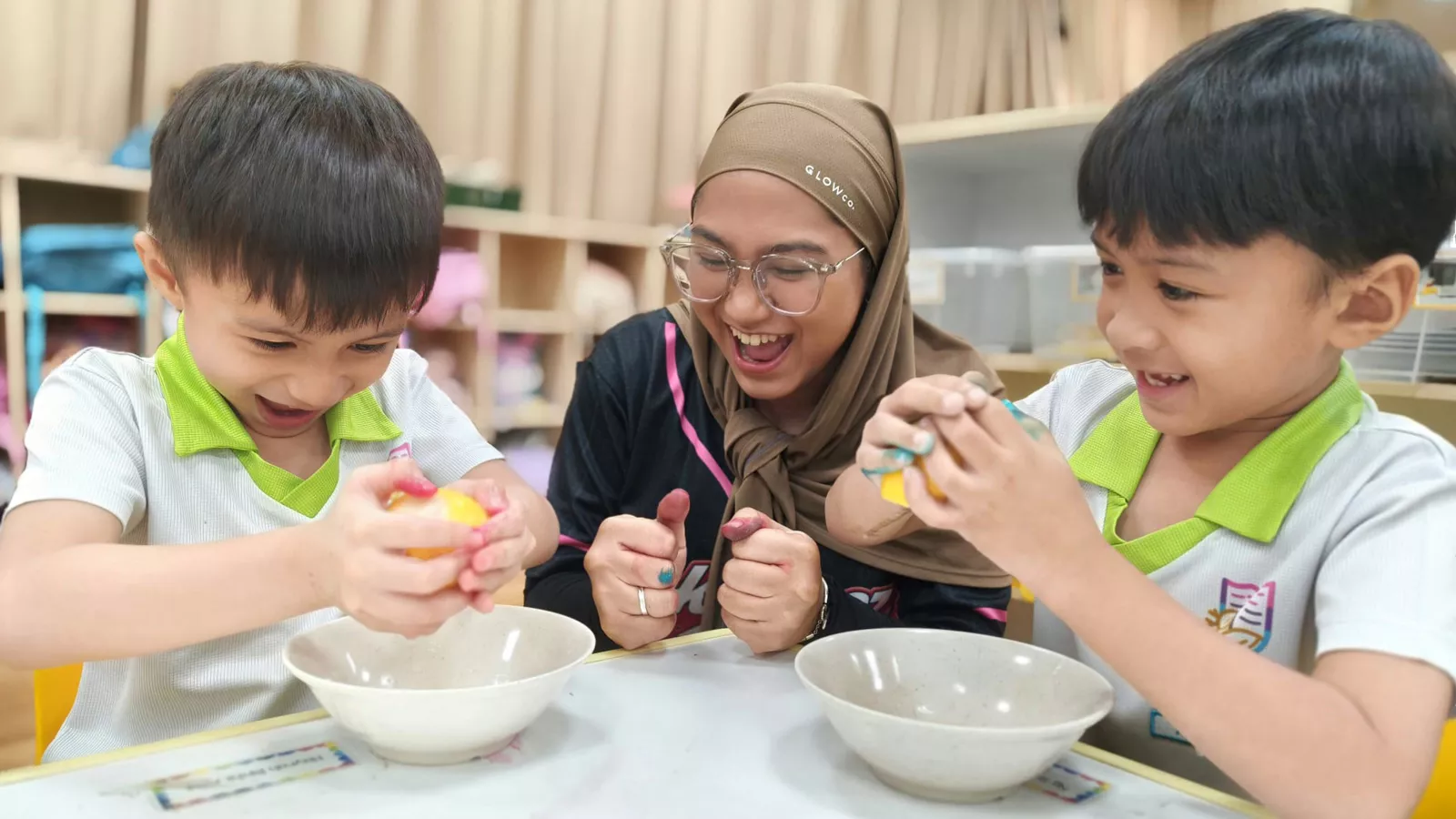
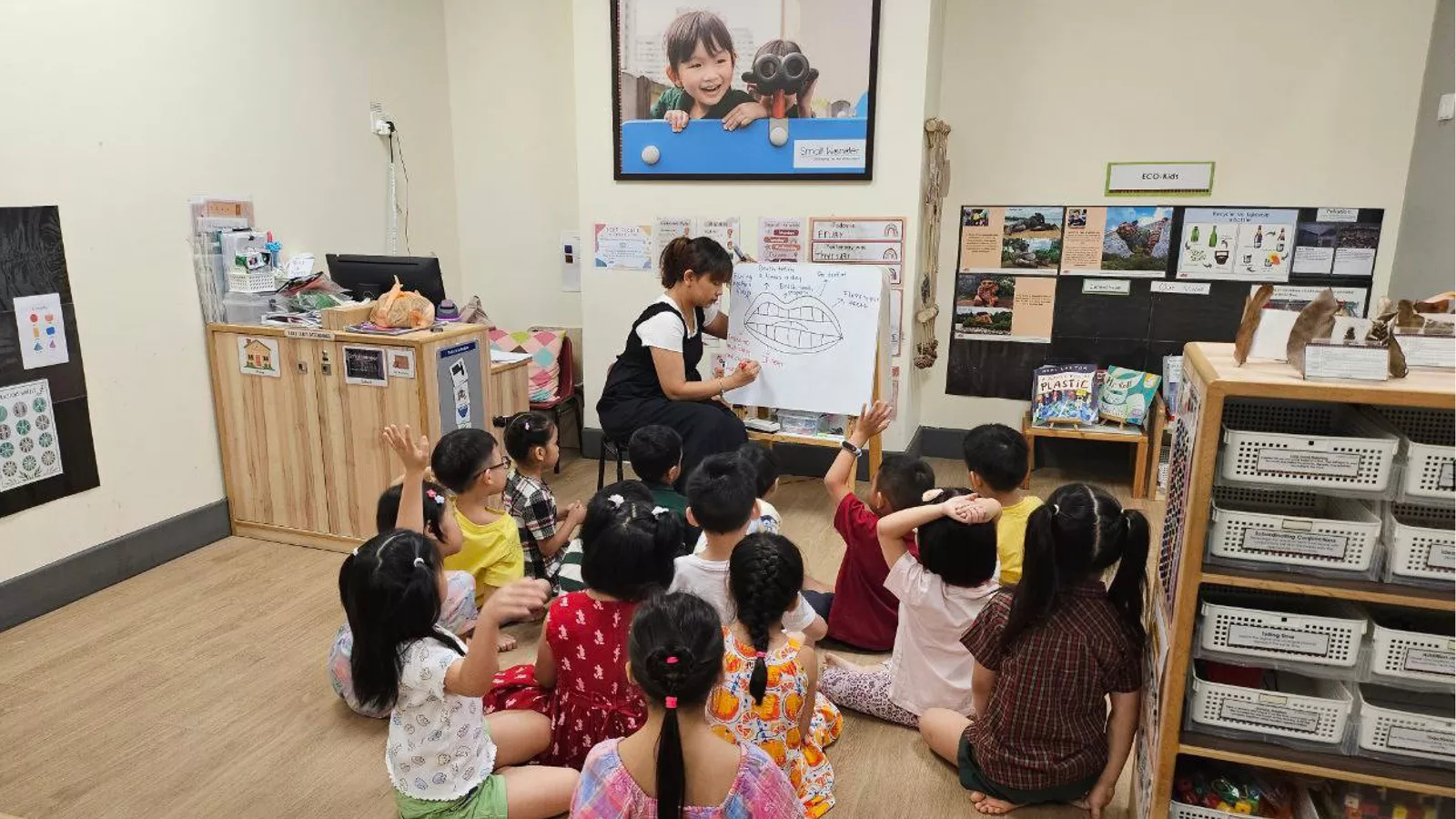
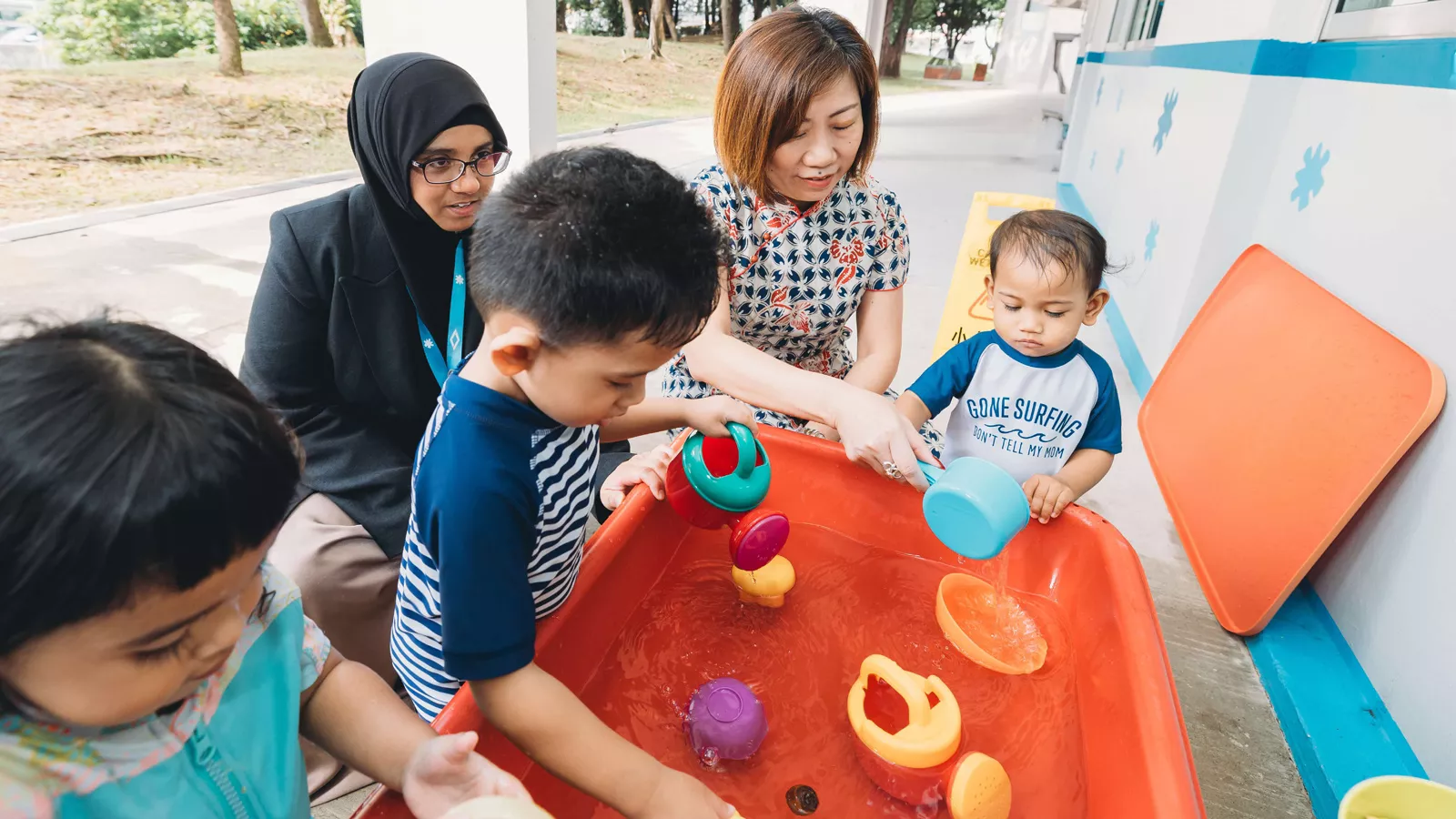 For Ms Ku, visiting preschools and spending time with young children is one of the best parts of her role.
Being passionate about inclusion, Ms Ku has no plans to stop now. To her, enhancing inclusion and equity in early childhood is key in ensuring that every child has a good start, regardless of their background.
“Inclusion means supporting children from all backgrounds, not just those with developmental needs,” she says. Noting that ECDA has been rolling out various inclusion initiatives, Ms Ku looks forward to continuing and deepening such efforts so that no child is left behind.
She believes that having more inclusive preschools will further uplift the overall quality of teaching and learning. “How can we design the preschool environment to be optimal for all children?” she asks aloud. “By being attentive to each child's interests and needs, we can create an environment that gives each child a voice in the classroom, harnesses their potential, and celebrates their differences.”
4SHE WANTS TO CHAMPION FOR PRESCHOOL EDUCATORS
While a love for children may initially attract educators to the profession and give them great job satisfaction, how they are supported is what will keep them going in the long run, says Ms Ku.
“We need to not only train educators in the required knowledge and skills, but also care for their well-being. When educators feel supported and well taken care of, it helps them truly believe in what they do, motivates them to upgrade their skills to better engage children, and prepares them for the challenges that come with the job,” she explains. It is also important that parents and wider society recognise the value that preschool educators bring as professionals.
5SHE HOPES TO STRENGTHEN EDUCATOR-PARENT PARTNERSHIP
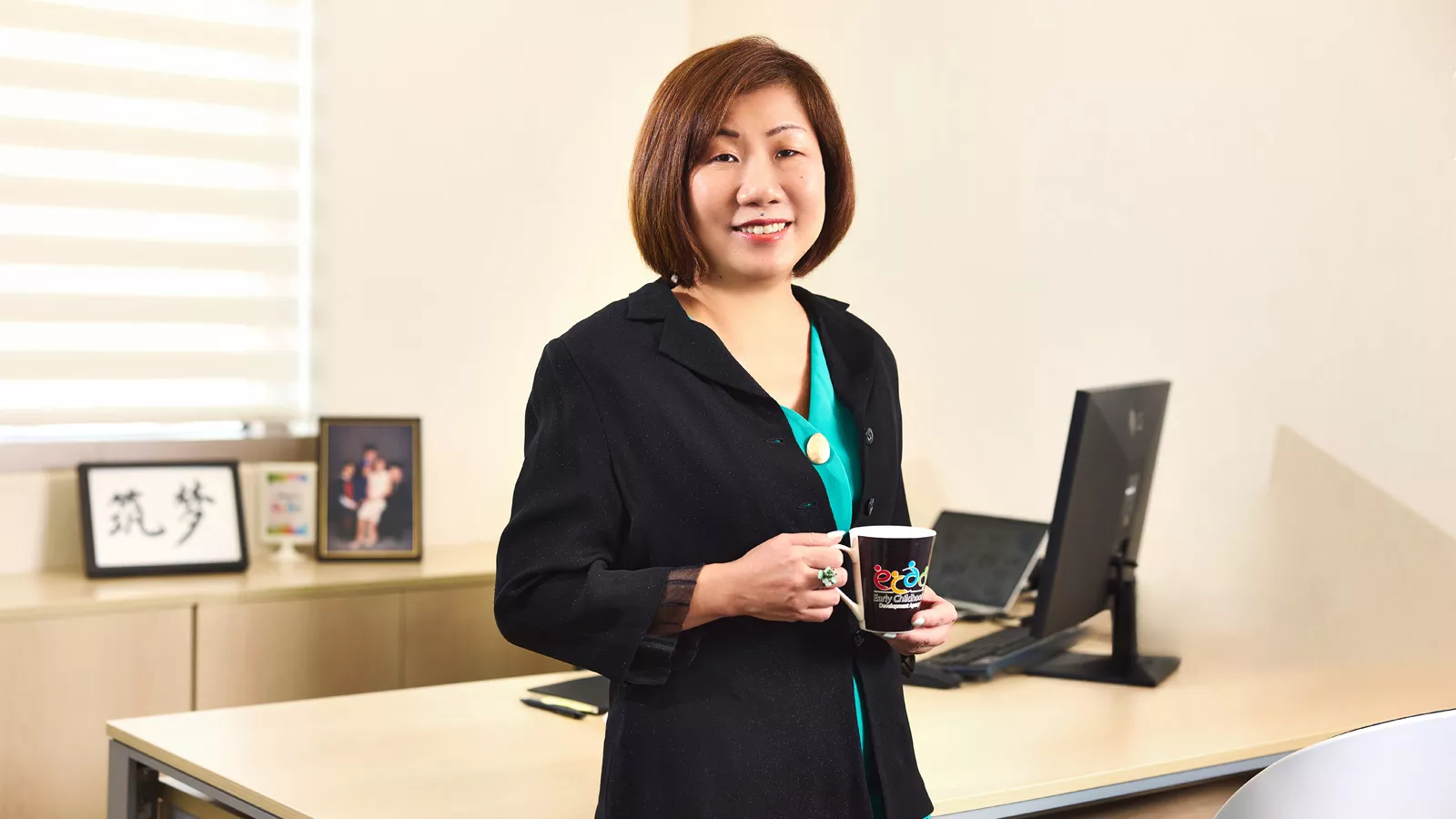 Having experienced both sides of the educator-parent partnership, Ms Ku is well placed to bring them closer together.
As a former teacher, Ms Ku understands that while parents and educators may have differing approaches to child development, they have a common goal to provide the best for each child. Building a positive relationship between parents and teachers as equal partners helps to align expectations and provide a cohesive and consistent learning environment for the children.
“We need to equip educators with the professional toolbox to reach out to parents and actively involve them in preschool matters,” she says. “Parents in turn need to be supportive of educators' efforts, respect their professionalism, and work with a mutual trust to see our children flourish.”
With this and greater collaboration within the sector, Ms Ku hopes to uplift the quality of preschool education and give each child the best start in life.