


The childminding pilot programme at Nee Soon East Community Club provides local families with a new option for infant care, combining government subsidies with proximity to residential areas.
Mr Nathaniel Liu and his wife Norma enrolled their daughter Tabitha at this NannyPro Care facility, citing the financial support and convenient location as key factors in their decision. The service maintains a ratio of three infants to one childminder and operates within the community club premises.
The Lius have found the service responsive to their needs. “The childminders are open to listening to us and adapt to our instructions,” says Mr Liu. The service accommodates specific parental requests, such as reading particular books or using educational materials like flashcards. Mr Liu notes that Tabitha shows clear signs of comfort with her caregivers: “When Tabitha sees her childminders, she is happy and full of smiles.”
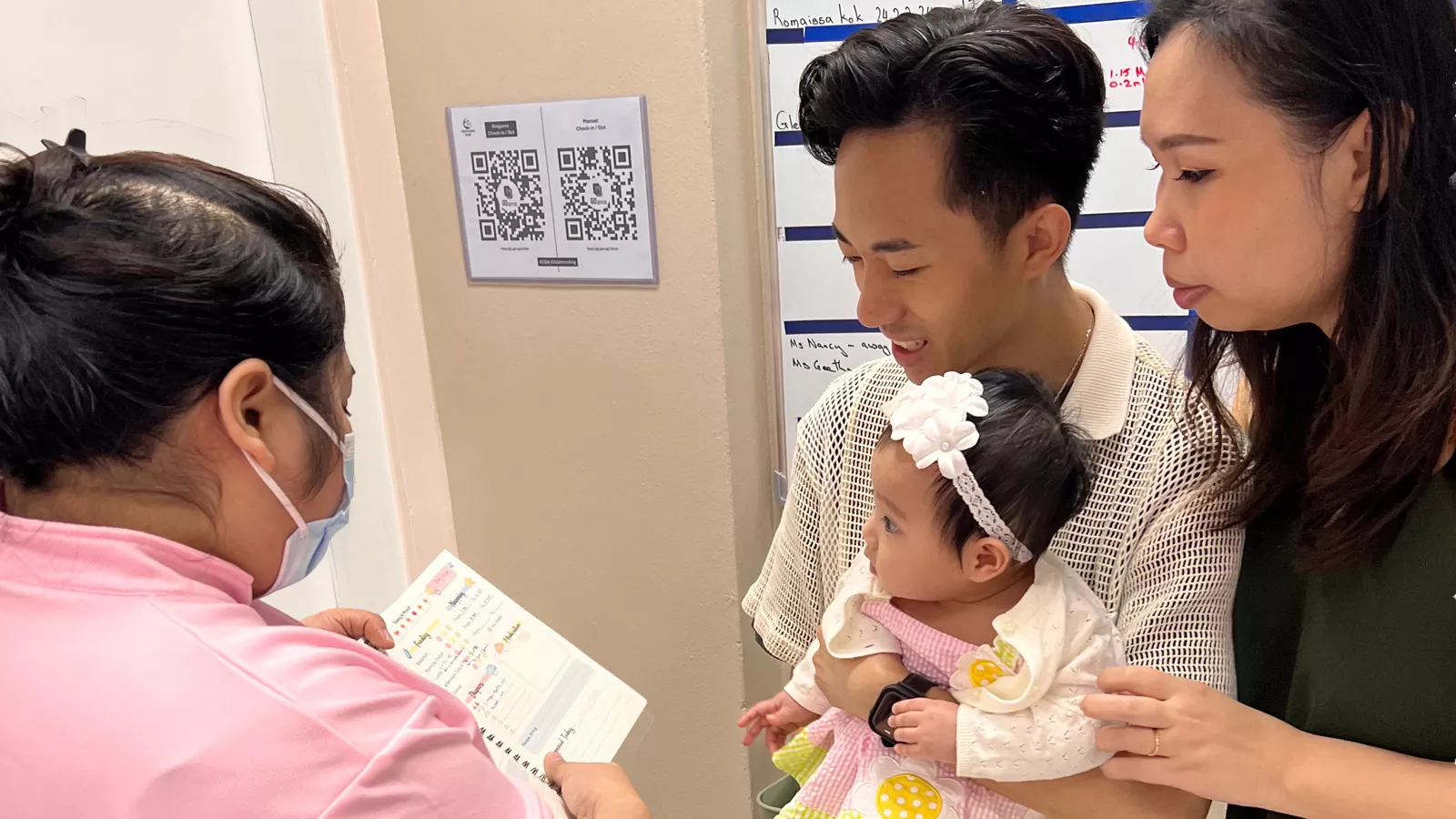 Mr Nathaniel Liu and his wife Norma (pictured) have struck up a good relationship with their baby Tabitha’s childminders at Nee Soon East Community Club.
“The childminders keep a booklet of Tabitha’s milestones, meals and daily routines,” Mr Liu explains. “It gives us peace of mind knowing there’s accountability.” The service provider plans to transition these records to a mobile application, which will provide parents with real-time updates and photographs — a development Mr Liu describes as “such a reassuring way to stay connected to her day”.
Beyond basic care, the childminders offer practical guidance to parents on topics such as selecting appropriate cot accessories and preventing common infant health issues like diaper rash. The facility includes designated areas for various activities, including story time, music sessions and free play.
Mr Liu observes positive developmental outcomes in his daughter: “Tabitha is developing well in this setting — she is crawling faster than her peers and making constant attempts to talk.”
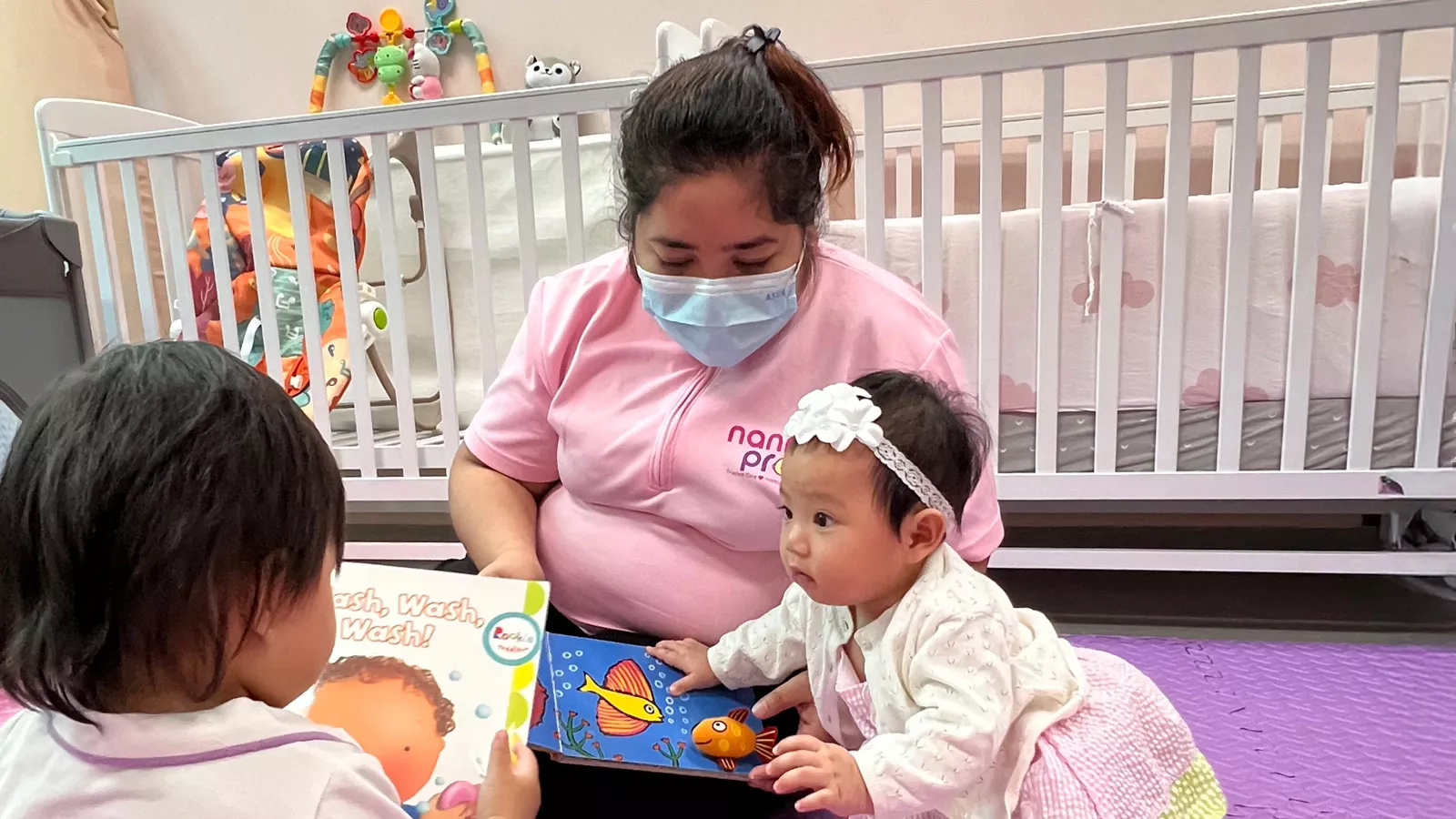 At eight months, Tabitha (right) is thriving under the care of her infant childminders.
There are other happy parents like the Lius, who took up childminding services at the childminder’s home for the affordable, flexible and dedicated care for their infants.
Launched by ECDA in partnership with private service providers in December 2024, the three-year childminding pilot programme offers a subsidised, safe and reliable infant caregiving option for parents, alongside existing alternatives such as infant care centres and private nannies. Three operators — EduNanny by Butler, Kidibliss and NannyPro Care — have been appointed to provide infant childminding services by trained childminders. Parents can opt for their child to be looked after in the childminder’s home or at selected community spaces, with each childminder caring for no more than three infants at any one time.
Appointed operators assess childminder suitability, establish child-safe practice guidelines and follow Industry Standards. Childminders must undergo mandatory training and background checks before deployment.
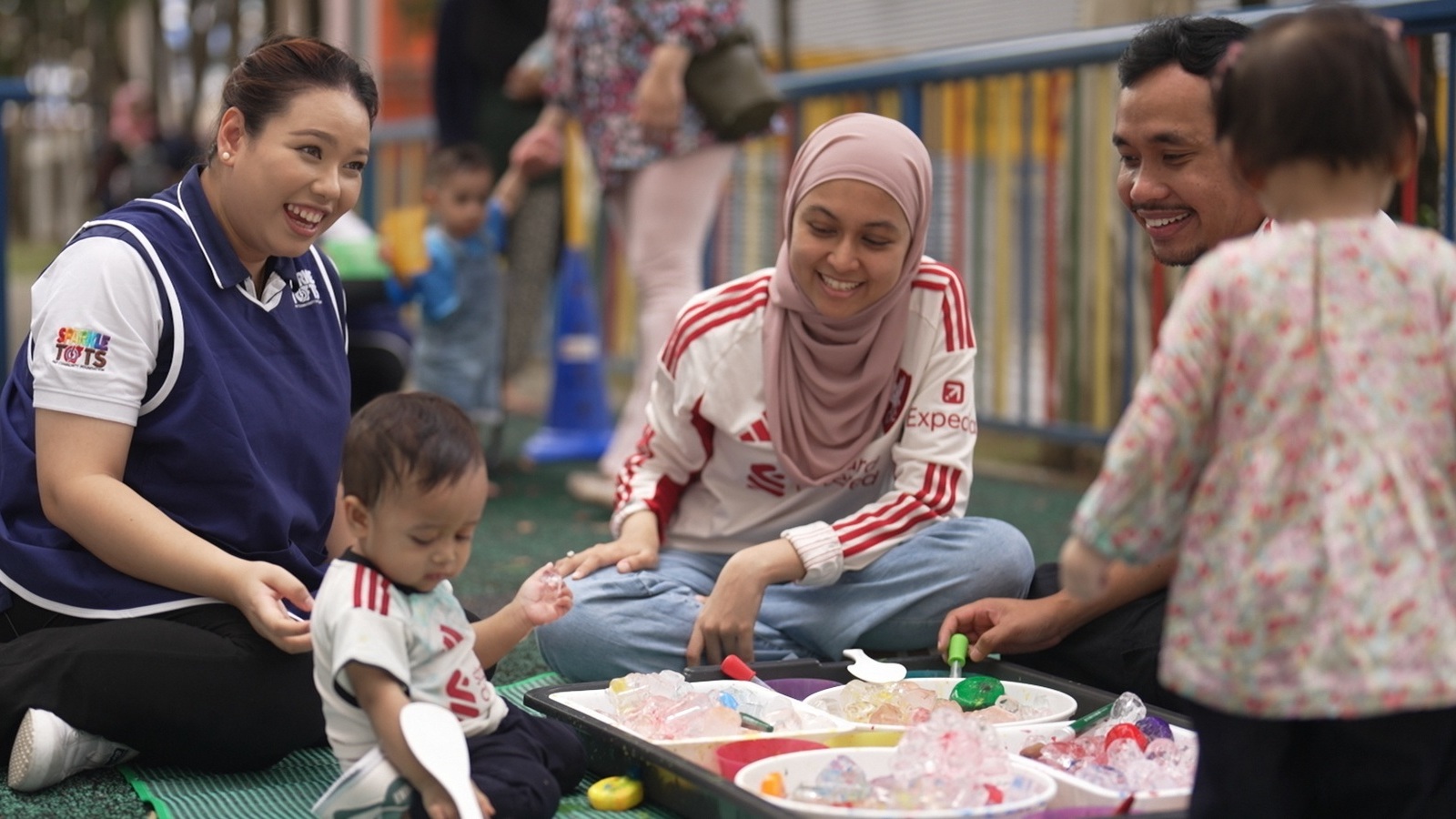
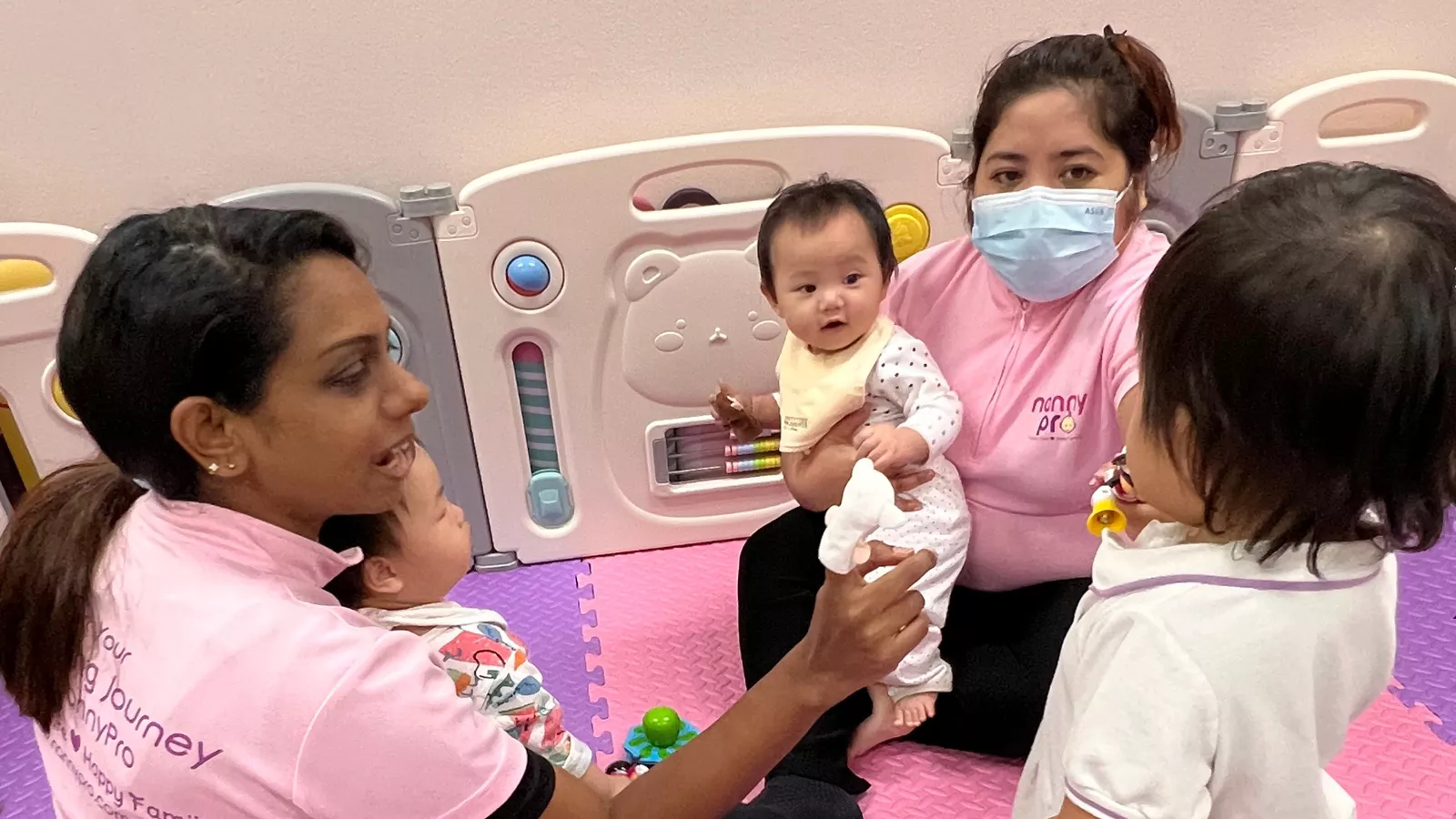 Whether working individually at home or as part of a team in the community model (pictured), all childminders are required to complete training and pass background checks.
While still in its early stages, the pilot has attracted growing interest and positive feedback. As of August 2025, more than 40 infants are enrolled in the service, and close to 200 families have expressed interest or are on the waiting list.
Let’s hear more from operators, childminders and parents on this caregiving option in a home environment.
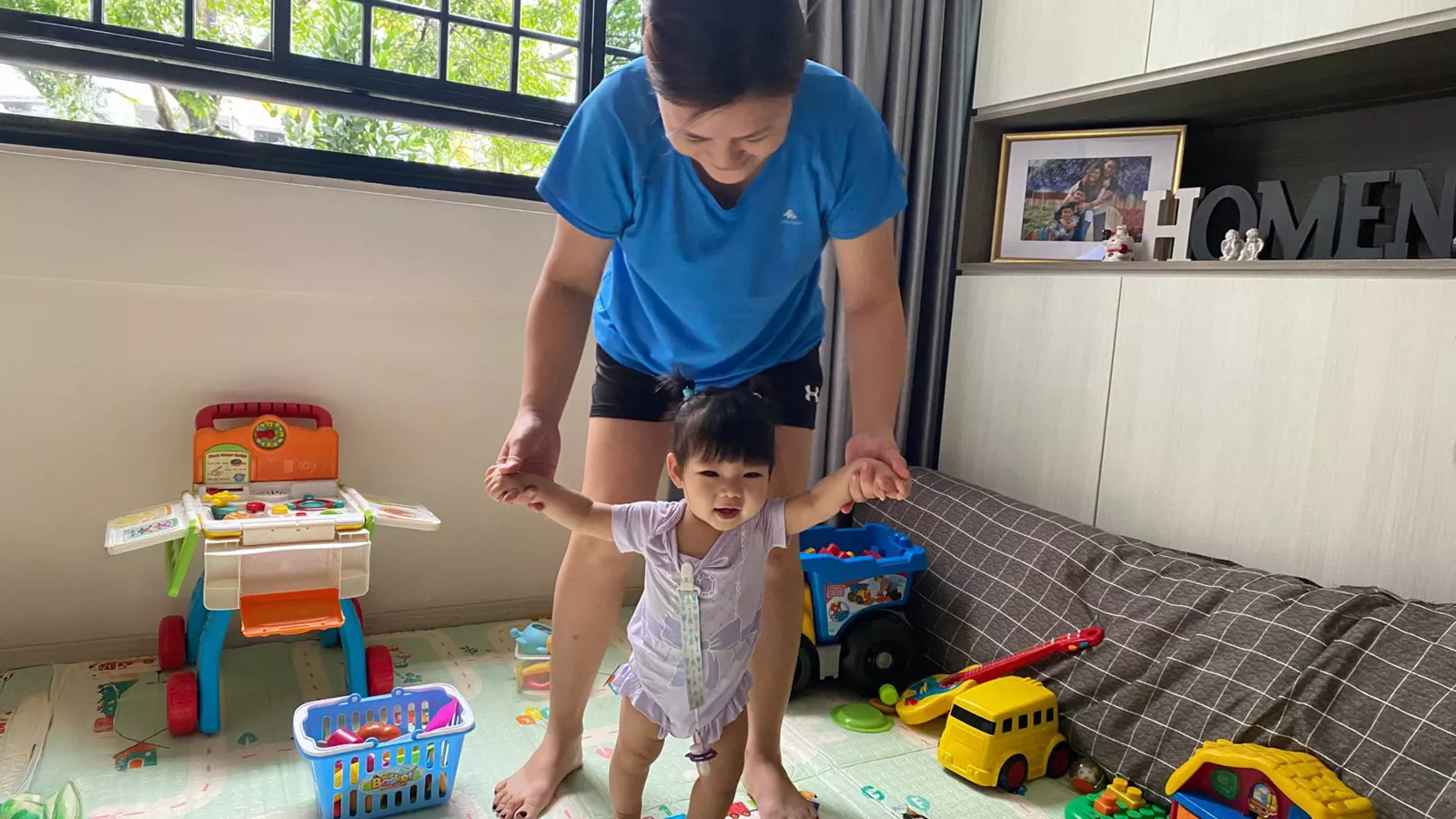 Before a home-based childminder is deployed, the appointed operator assesses the suitability of the childminder and their home environment. “Key considerations during home inspections include the provision of a safe and clean space, complete with safety features like window grilles and window limiters; and dedicated areas specifically designed for infants’ needs, such as a play area, a diaper changing area, and a quiet space for napping,” says Mdm Jess Soh, Business Manager of Kidibliss.
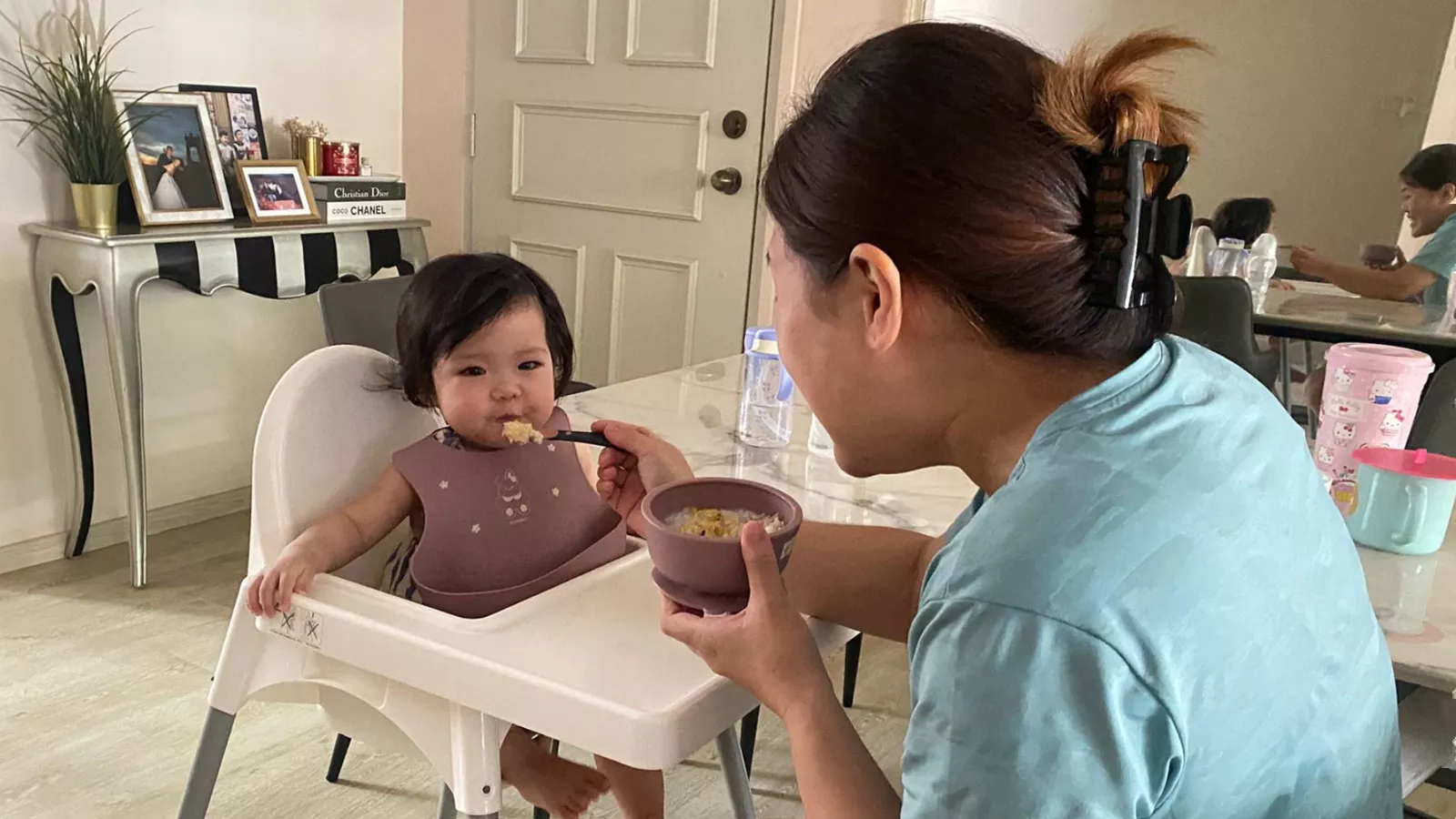 Childminders must undergo mandatory training in basic infant care and first aid. Being able to communicate well with parents and accommodate their caregiving preferences is also crucial. “We are happy to observe that infants who are in a home-based environment with our childminders receive delicate and customisable care,” notes Mdm Soh.
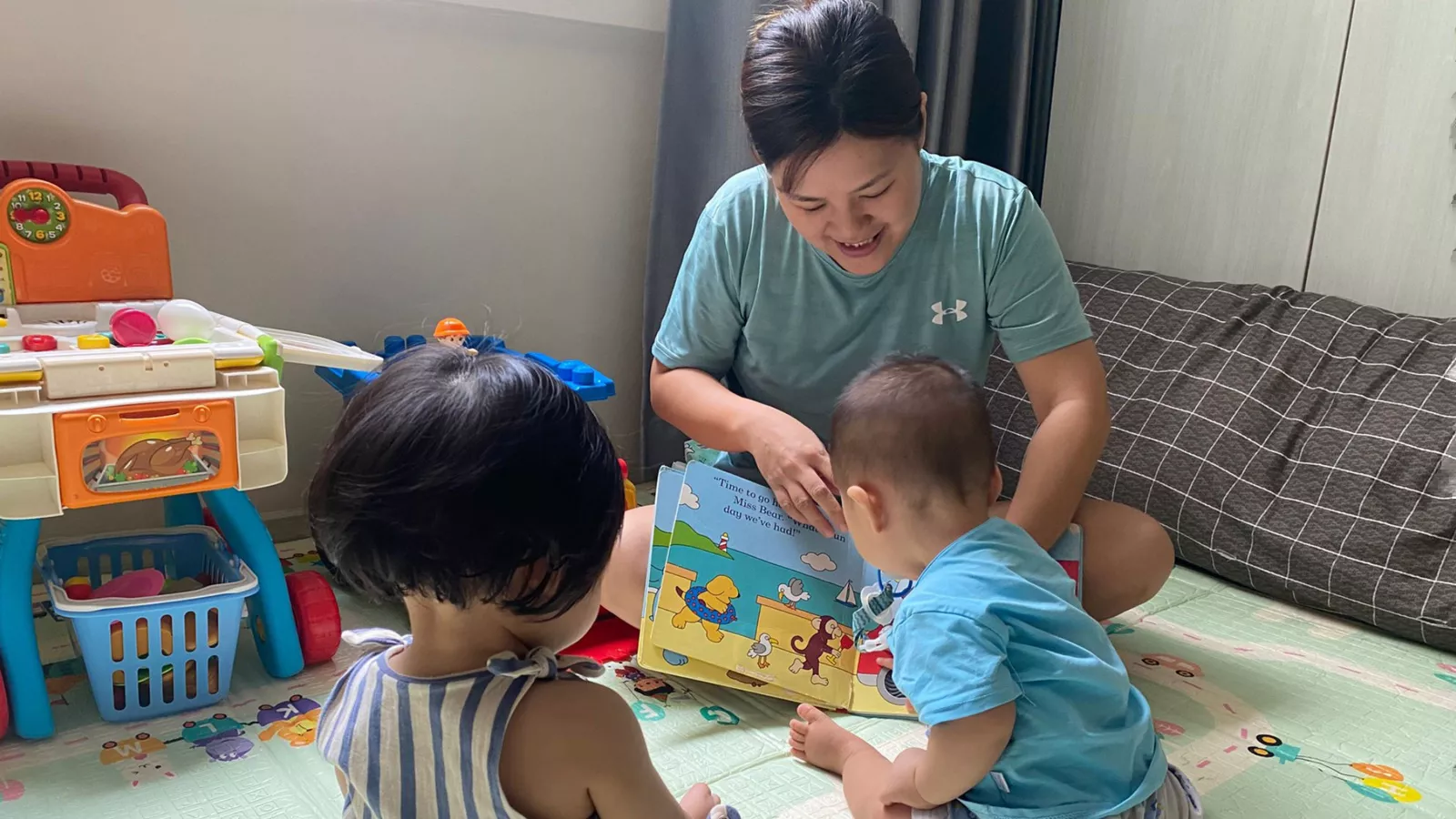 With each childminder caring for up to three infants at a time, the small group setting allows for a less rigid structure. “Parents appreciate the programme’s flexibility and the frequent, personalised updates they receive about their child’s day,” says Mdm Soh. “This reassures them, strengthening trust between parents and childminders.”
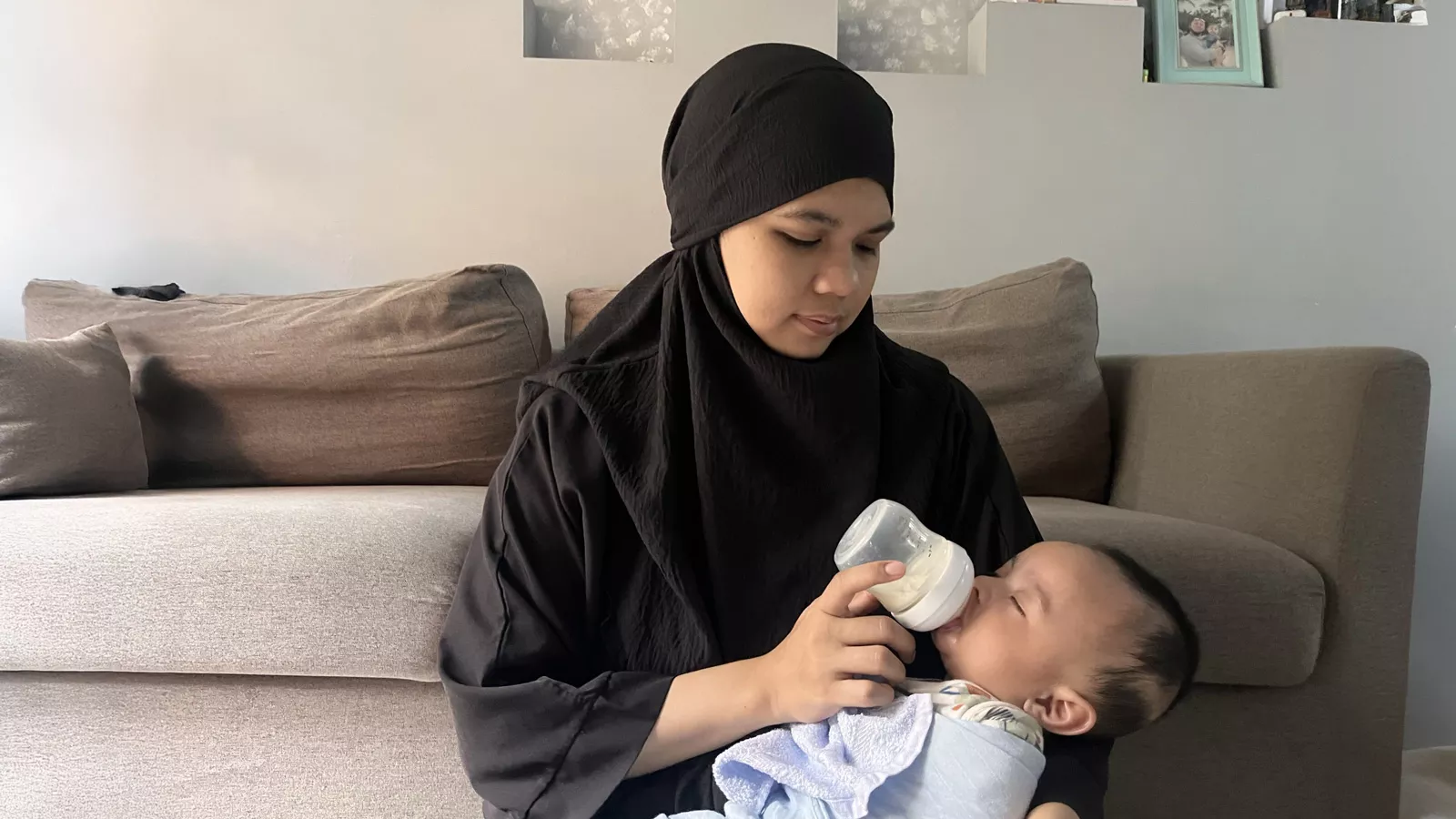 Ms Nadiyah Shafiqah (pictured), a childminder with EduNanny by Butler, is a parent too. What drew her to the role was the opportunity to care for her youngest, Lais, together with other babies — and earn an income — in the comfort of her home. “I learn about each infant’s personality, routine and preferences through ongoing communication with parents, and by picking up on their cues,” she says. “For instance, I follow each infant’s feeding schedule and dietary requirements, whether it involves expressed breastmilk, bottle-feeding or solid foods. I use an app to keep track of their schedule.”
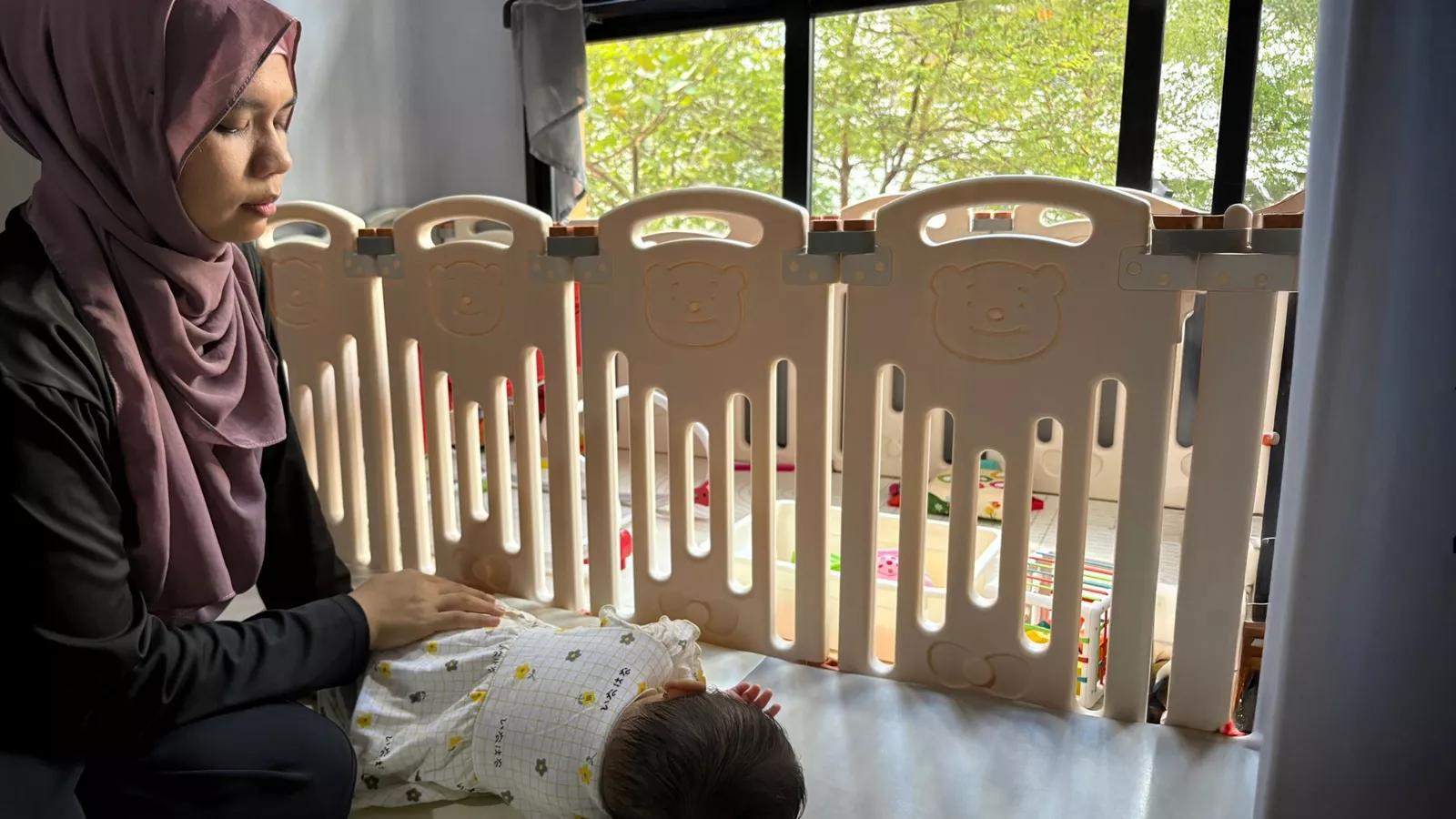 To ensure a safe and nurturing space for infants, Ms Nadiyah has organised her living room into distinct zones. There is a playpen and playmat area for safe play, individual cots for naps, and a high chair for mealtimes. To maintain hygiene, she sterilises bottles and sanitises play areas multiple times a day. “Nadiyah encourages my baby Ayra to explore and move around, and interacts in ways that get her babbling more,” says one parent, Ms Nora. “More than childminding, it feels like support for me too. I know I can reach out any time for a request, or to ask for advice on my child’s care.”
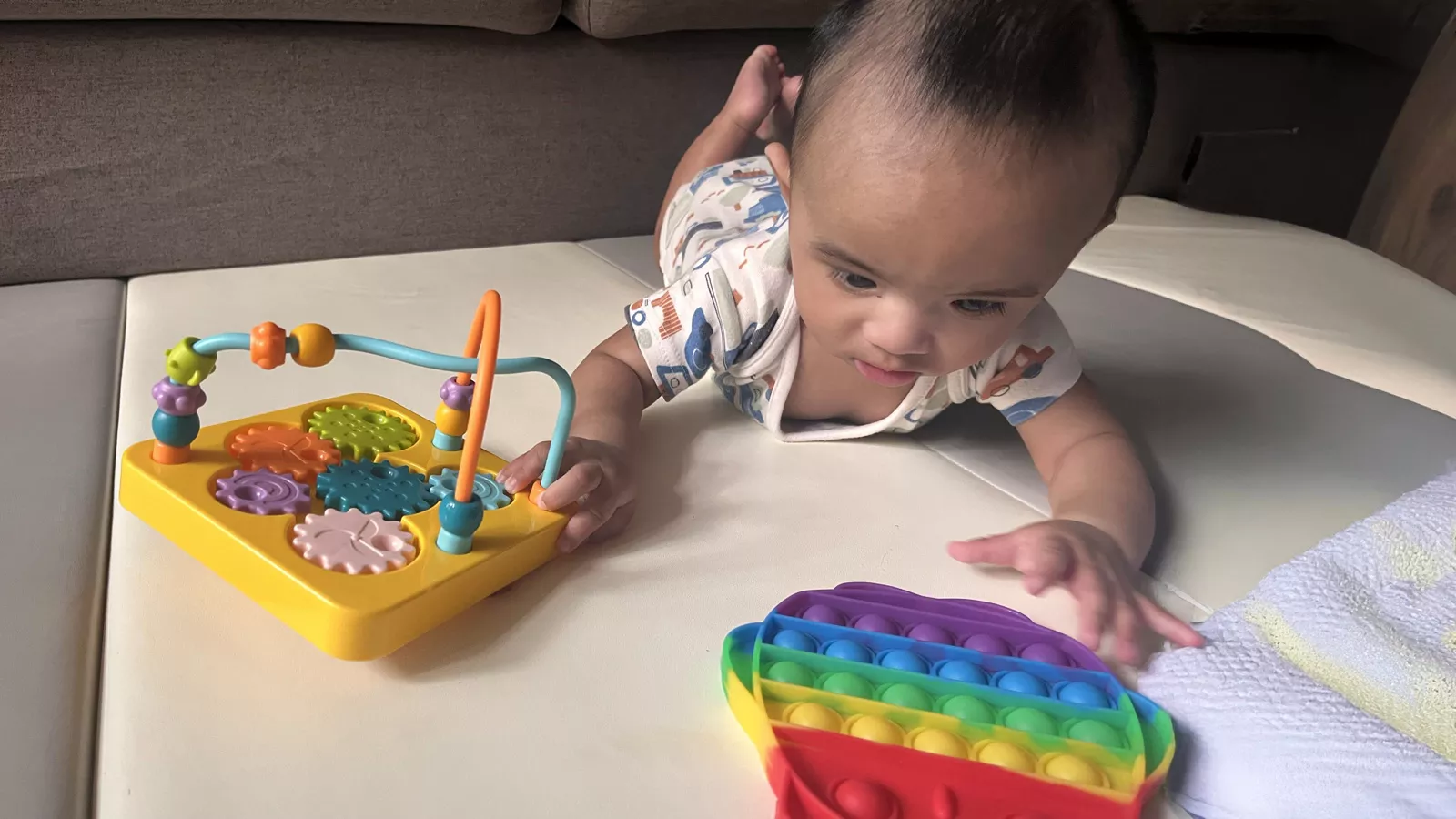 Ms Nadiyah provides a variety of toys and play activities to engage babies and boost their holistic development. For example, sensory toys with different textures, colours and sounds are introduced during tummy time to stimulate their curiosity. Interactive sing-alongs and peek-a-boo games promote socialisation, while stacking cubes and card games help them develop problem-solving and fine motor skills.
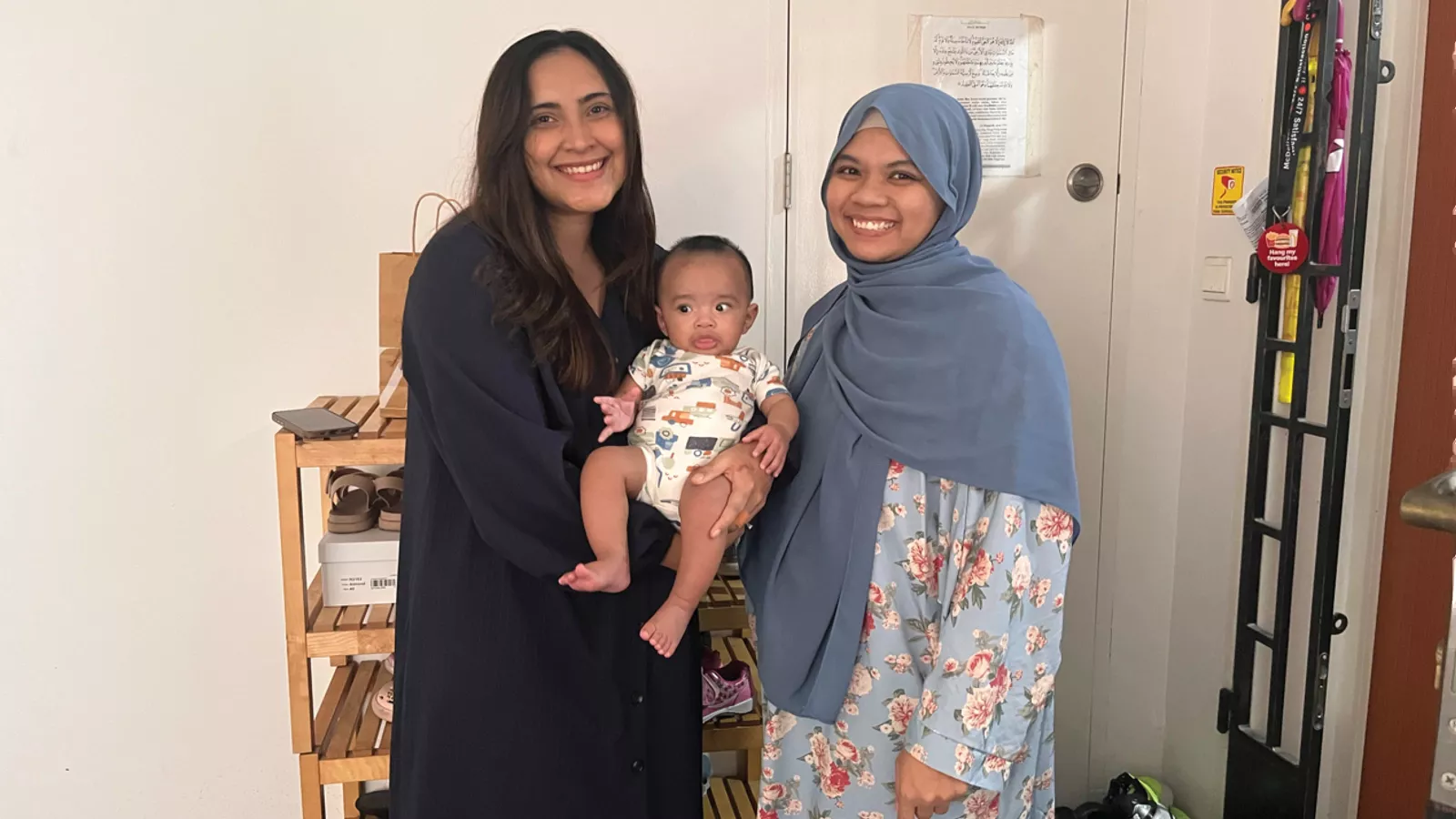 Another parent who clicked instantly with Ms Nadiyah (right) is Niaz’s mummy, Ms Samira Shah (left). “With a baby this young, we prefer a smaller, more personal setting instead of a large infant care centre,” Ms Samira explains. “Nadiyah is very attentive, aids Niaz’s development through activities like tummy time and visual stimulation, and keeps us updated throughout the day. Niaz enjoys being at her home and playing with Ayra and Lais. Beyond that, Nadiyah is also a great sounding board for us as first-time parents. Her advice and support help us feel like we’re not alone in our parenthood journey.”
Does this service appeal to you? Find out more about the infant childminding pilot and how to sign up!