
Every year, early childhood (EC) educators witness a momentous milestone: their K2 children taking that big step to Primary 1. Contrary to what many might think, the most important factor in this transition is not how well-drilled children are in letters, numbers or other academic skills — but how ready they feel socially and emotionally for the changes ahead.
“The biggest challenge in entering formal schooling isn’t whether a child can read or write,” says Ms Stacey Toh, ECDA Fellow and Deputy Head, Preschools, Star Learners Group. “It’s whether they can find their footing in a completely new environment and feel confident enough to learn.”
So, what can educators do to set children — and their families — up for success? Ms Toh shares her insights, alongside two other experts: Dr Mercy Karuniah Jesuvadian, Senior Lecturer, Psychology and Child & Human Development, National Institute of Education (NIE); and Mrs Sharon Siew, Principal, Jing Shan Primary School.
IN THE CLASSROOM
The best preparation is not a one-off programme at the end of K2, but small consistent steps woven into everyday routines starting as early as possible. “At our preschool, we mirror primary school expectations by having children serve their own meals, clear up after themselves and role-play queuing at a canteen,” says Ms Toh. These small routines build independence and help children feel capable of handling the demands of a primary school.
For many EC educators, K2 is already a busy academic year. They juggle the curriculum, assessments, and parents eager to see visible progress in reading and numeracy.
But preparing for transition does not need to be an extra burden. Instead, educators can integrate it into the curriculum itself. For example, a writing activity can double as practice for labelling personal belongings, while group projects give children a chance to rehearse turn-taking and asking for help. In this way, academic learning and social-emotional development go hand in hand, each reinforcing the other.
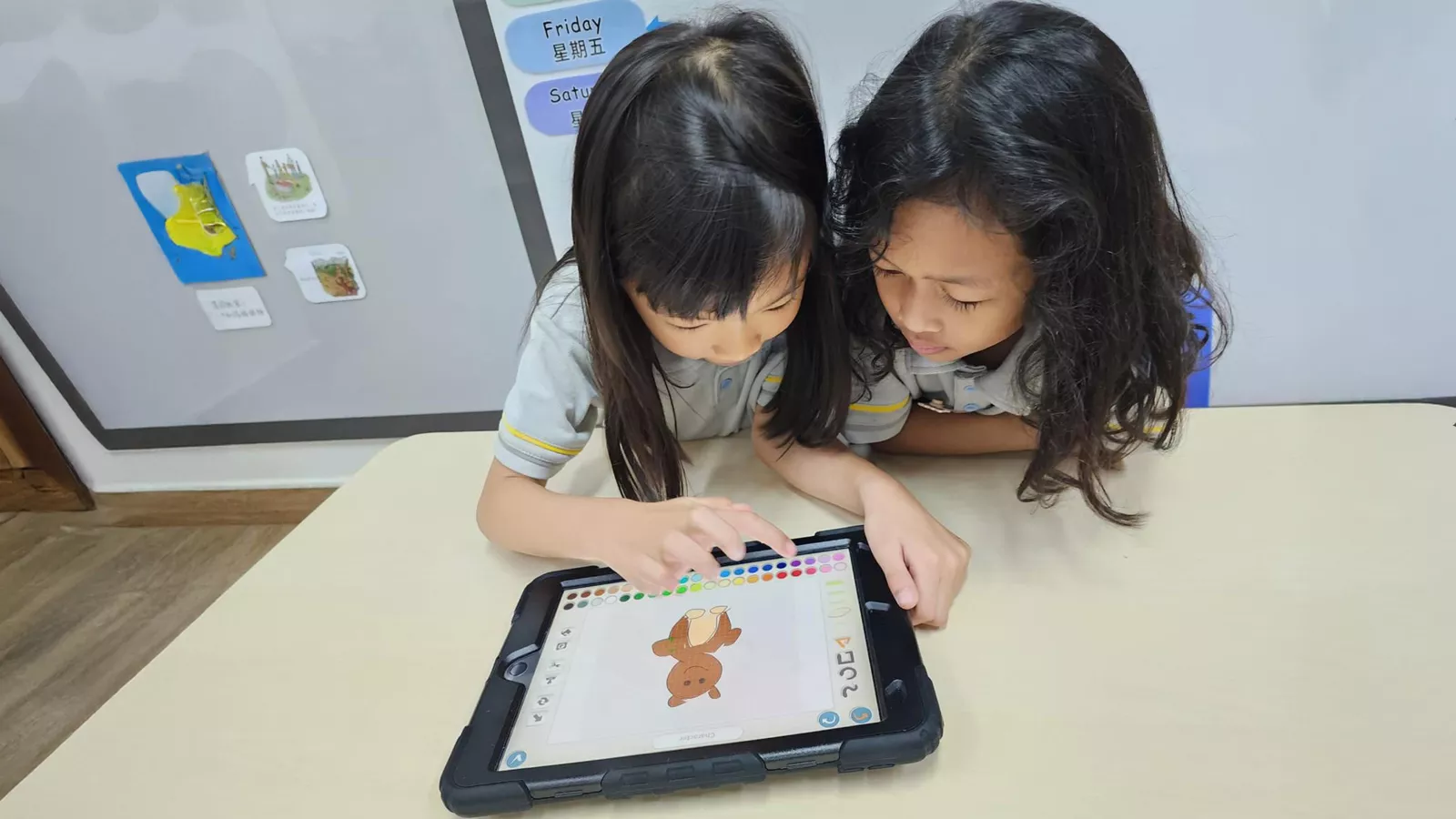 Star Learners’ curriculum includes early exposure to digital literacy, such as basic coding and visual programming apps. These play-based learning activities not only nurture children’s creativity, cooperation and problem-solving skills, but also prepare them for the increasing use of online learning platforms in primary school.
Educators can also ease the transition by gradually introducing structural elements that reflect the primary school learning environment. While play remains central to preschool pedagogy, children can get a gentle taste of routine in developmentally appropriate ways — such as following a simple timetable, sitting together for a larger group discussion, or completing short tasks independently. These experiences build confidence and give children a sense of what lies ahead, without taking away play.
As Ms Toh puts it, “The goal is to help children find their footing. When EC educators see the K2-to-P1 transition as part of everyday practice, rather than a competing priority, we can cover the curriculum while preparing children for this next phase of life.”
PARTNERING PARENTS
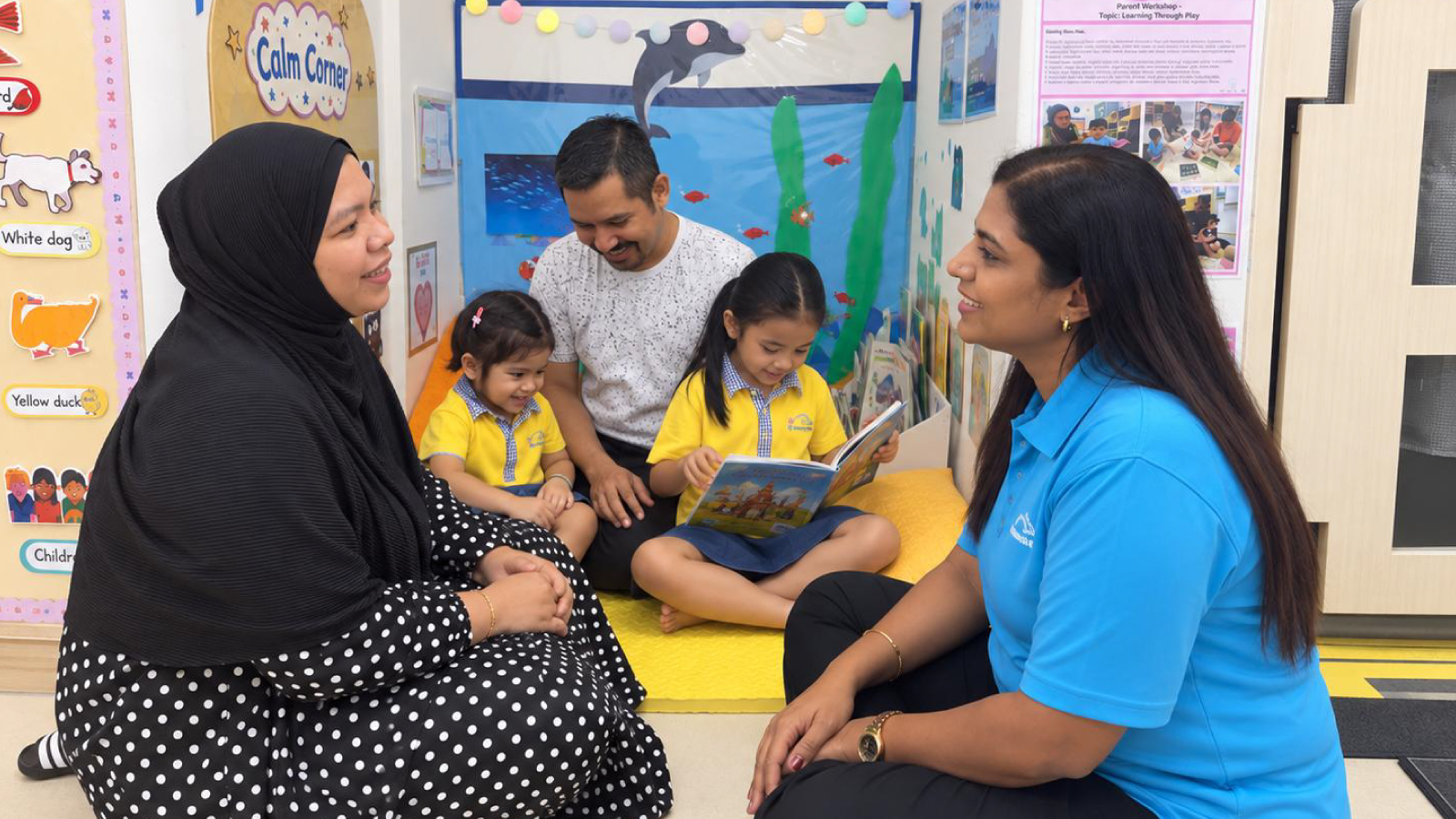
Preparing children is only half the story. Even the best classroom routines won’t succeed if parents send a different message at home. “We need to show parents that resilience and independence are stronger predictors of school success than early drilling,” says Dr Jesuvadian from NIE. Part of a preschool’s work, therefore, is to guide parents.
Workshops, orientation talks, and informal chats during arrival or dismissal provide opportunities to reframe parental expectations. Educators can reassure parents that primary schools are ready to meet children where they are and support learning at their own pace.
On this point, Mrs Siew from Jing Shan Primary School reiterates: “Overloading children with academic preparation may deprive them of the joy of discovery. Without that anticipation and excitement, school can quickly become a bore and a chore.”
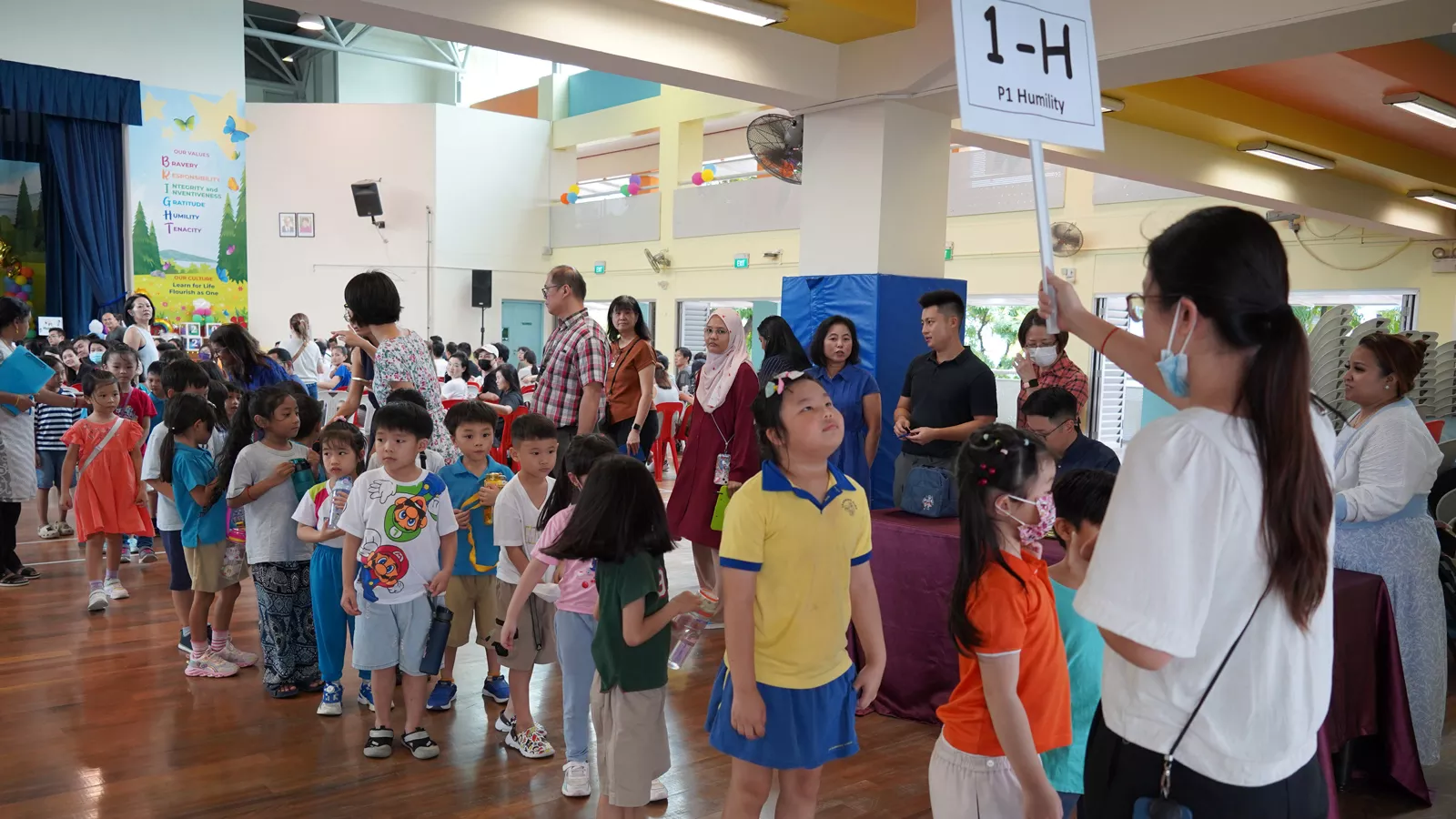 P1 orientation sessions are a good opportunity for parents to get to know their children’s primary school teachers and align their expectations, academically or otherwise.
Parents are more receptive when given concrete alternatives, rather than a list of don’ts. For instance, EC educators can suggest simple home practices that mirror primary school routines — such as packing schoolbags, handling pocket money or buying food independently. These activities give parents a clear role in building their child’s confidence, while ensuring that home and preschool send a consistent message.
Just as important is how parents talk about the transition. “Frame change as something exciting, not frightening,” advises Dr Jesuvadian. “The way parents describe school — either as an adventure or as a test — sets the tone for how children perceive it.”
PARTNERING PRIMARY SCHOOLS
Strong partnerships between preschools and primary schools ensure continuity. “It cannot just be a once-a-year visit,” says Ms Toh. “Partnerships need to be sustained so that expectations are aligned.”
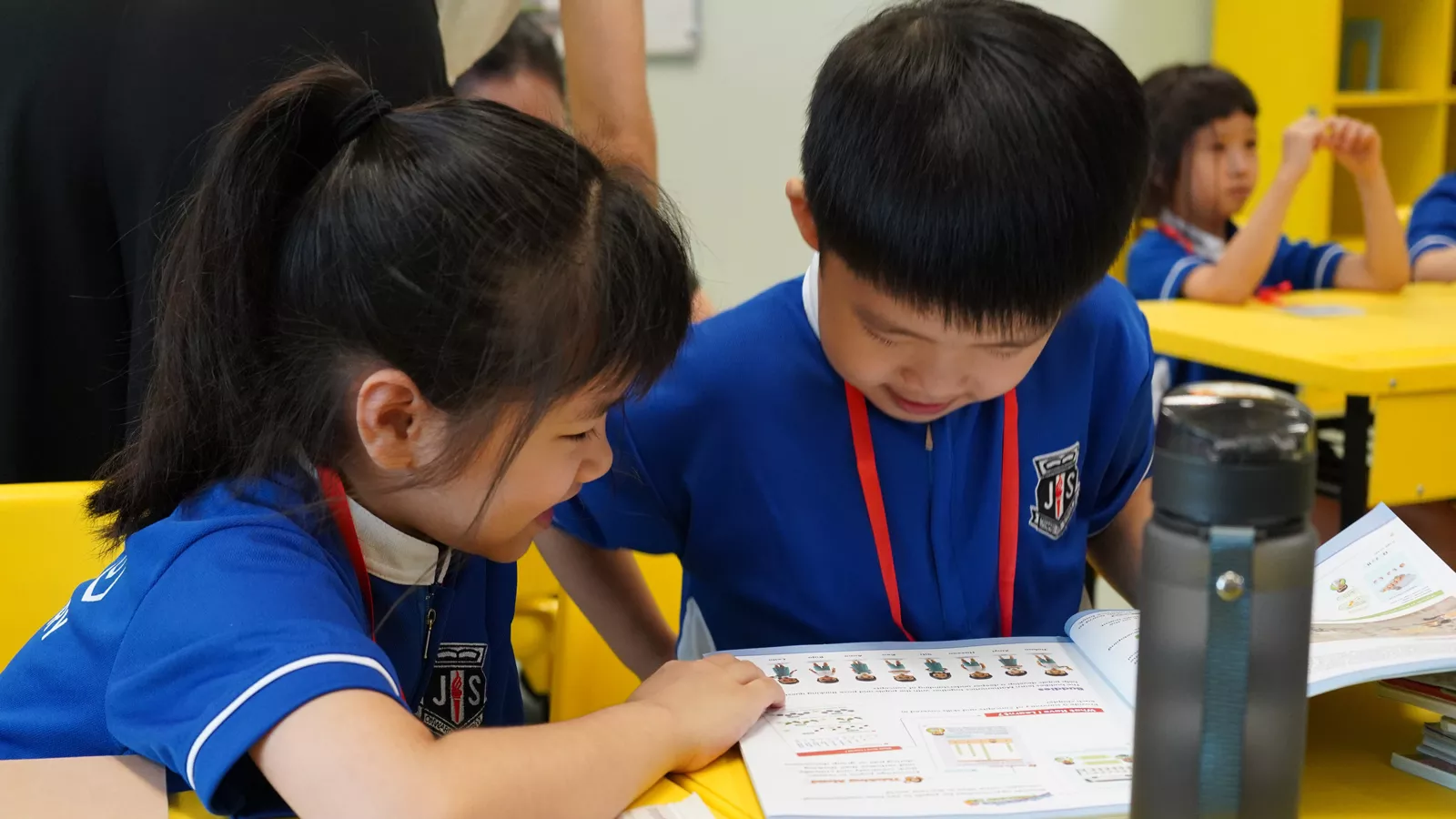
School visits work best when they are designed as confidence-building experiences. Meeting future schoolmates, sitting in a real classroom, or eating in the canteen helps children imagine themselves in the new environment and reduces fear of the unknown. For children with additional needs, early communication with receiving schools is essential so that support can continue seamlessly.
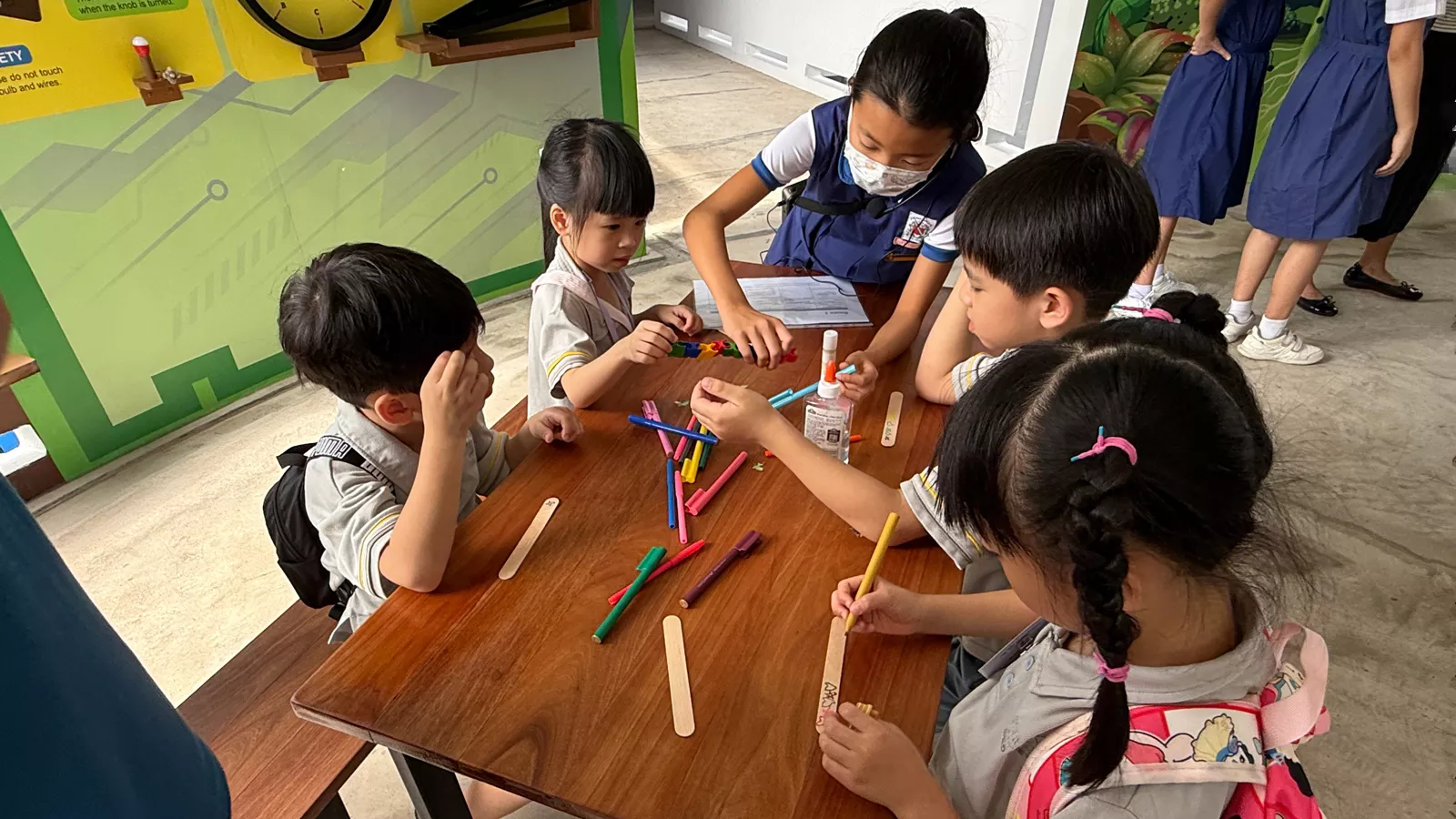 Visits to primary schools, where children can experience the environment firsthand and interact with their future schoolmates, help demystify the ‘big school’ and replace apprehension with excitement and confidence.
Dialogue between preschool and primary teachers benefits both sides. “When we understand what P1 teachers expect, we can better prepare and equip children with the skills they need,” says Ms Toh. “Equally, when primary school teachers understand where preschoolers are coming from, they can set more realistic expectations.”
“Every time a child manages a transition, they build resilience for the next one — because life is full of transitions!” says Dr Jesuvadian. From Primary 1 to Primary 2, from primary to secondary school, and eventually into the workforce, change will always be part of the journey. By helping K2s adjust to Primary 1, preschool educators do more than prepare them for their first year of formal schooling. They equip children with the confidence and skills to navigate every transition that follows.