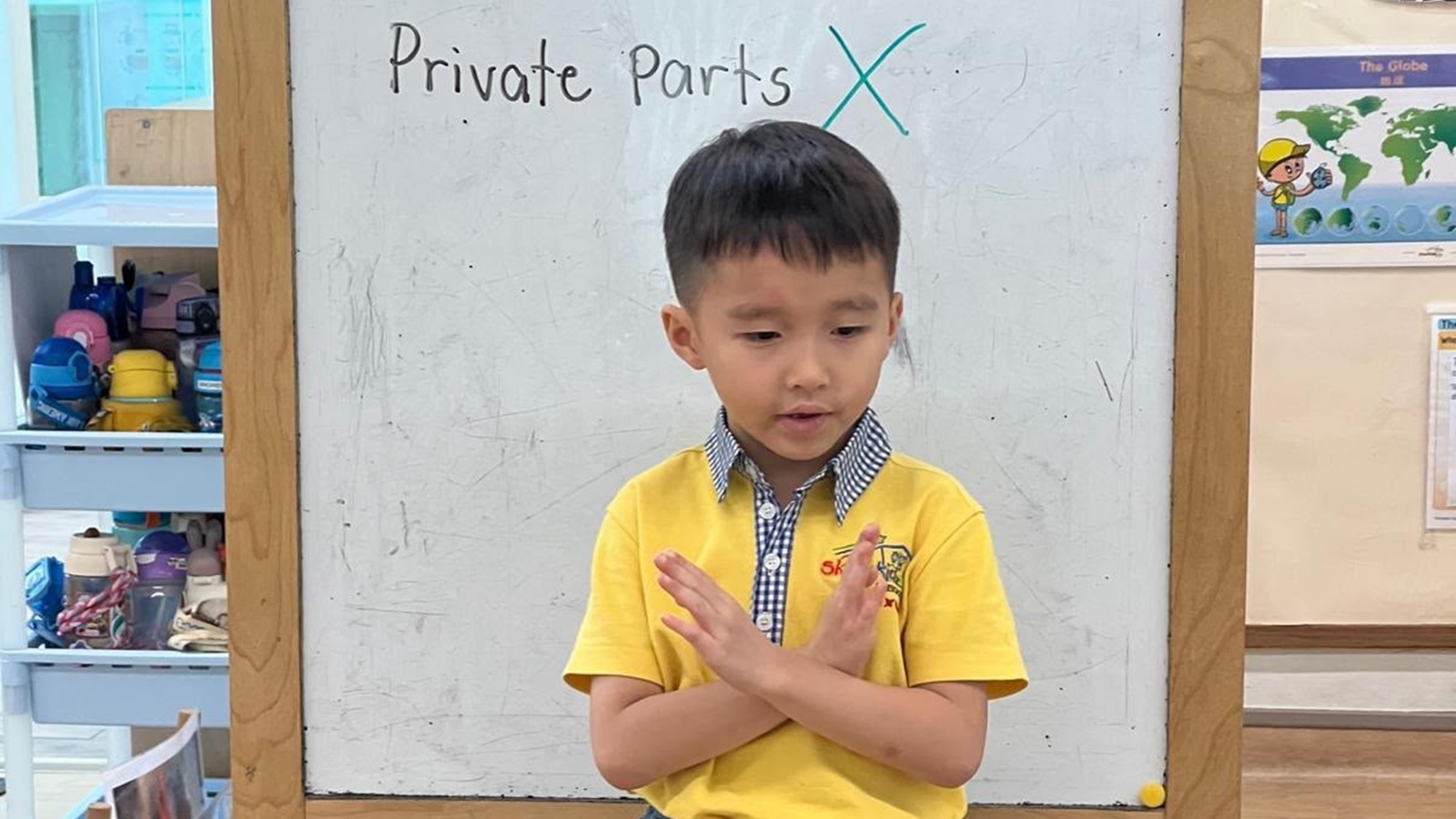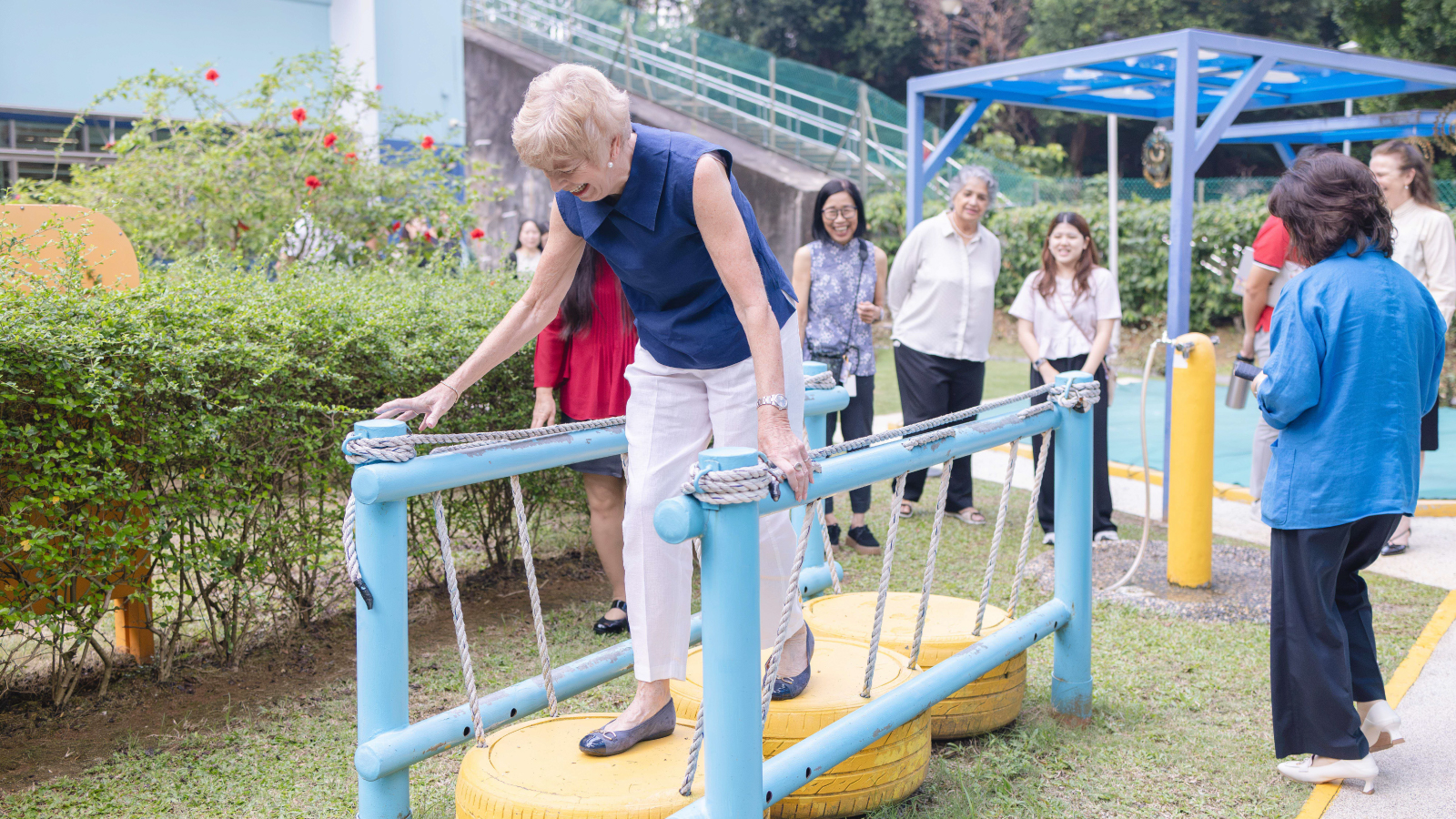



Packing up after giving a presentation at an annual parent-teacher conference at E-Bridge Pre-School Sengkang Square, Ms Zurhidah Binte Matsidah was approached by a parent who praised her slides. The mother shared that they were thoughtful and polished, giving her a clearer picture of what her child was learning and why certain activities had been planned for the infants.
Aware of the demands of preschool teaching, she wanted to know how the Lead Early Years Educator still managed to prepare such high-quality materials while caring for children throughout the day.
Ms Zurhidah had a simple explanation: non-contact time. These are dedicated hours each week set aside for educators to work uninterrupted, away from direct teaching and care responsibilities.
While some preschools already provide non-contact time, the extent of such support varies across the sector. Beanstalk spoke with two preschools that currently have non-contact time in place to understand how it enables educators to carry out their other responsibilities, and how they have planned for it.
SPACE TO FOCUS
At E-Bridge Pre-School, non-contact time was introduced in 2022 to give educators dedicated time to finish their tasks and support better work-life balance.
“An educator’s role involves much more than their direct interactions with children. They observe children, document their learning and development, plan responsive learning experiences, communicate with families, and reflect on their practice. These are important professional responsibilities that require dedicated time,” said Ms Cathy Chew, the preschool’s Senior Centre Leader.
Educators at E-Bridge Pre-School currently have minimum one and a half hours of non-contact time a week, while senior educators who take on additional responsibilities can receive up to three hours a week.
 Ms Zurhidah uses her protected time for lesson planning, crafting learning resources, and engaging families.
As most of the day is spent in the classroom tending to children, unfinished lesson plans and other responsibilities can weigh on one’s mind.
“It (non-contact time) really helps us stay organised and prioritise our tasks better,” Ms Zurhidah said. “The time lets us focus on ourselves.”
The extra time away from the children also gives her a breather and space to reset from the chaos of the classroom. This gives her the mental capacity to be fully present and focused when teaching and interacting with the children.
While there are clear benefits to non-contact time, preschools will need to consider their operational needs before instituting it, for instance, by considering their staffing capacity and deployment.
BALANCING LOGISTICAL NEEDS
At Bright Kids, the system took some iterations to get right. They started with four-hour blocks per week, on a rotational basis. But Ms Sangeetha d/o Subramaniam immediately saw an operational challenge.
“Having an educator away from the classroom for that length of time could affect lesson implementation, children’s routines, and manpower deployment,” said Ms Geetha, then a Centre Leader at Bright Kids and now a Curriculum and Mentor Leader.
“We learnt that it needed to fit the operational needs of the centre rather than having a fixed duration simply for the sake of having non-contact time,” she said.
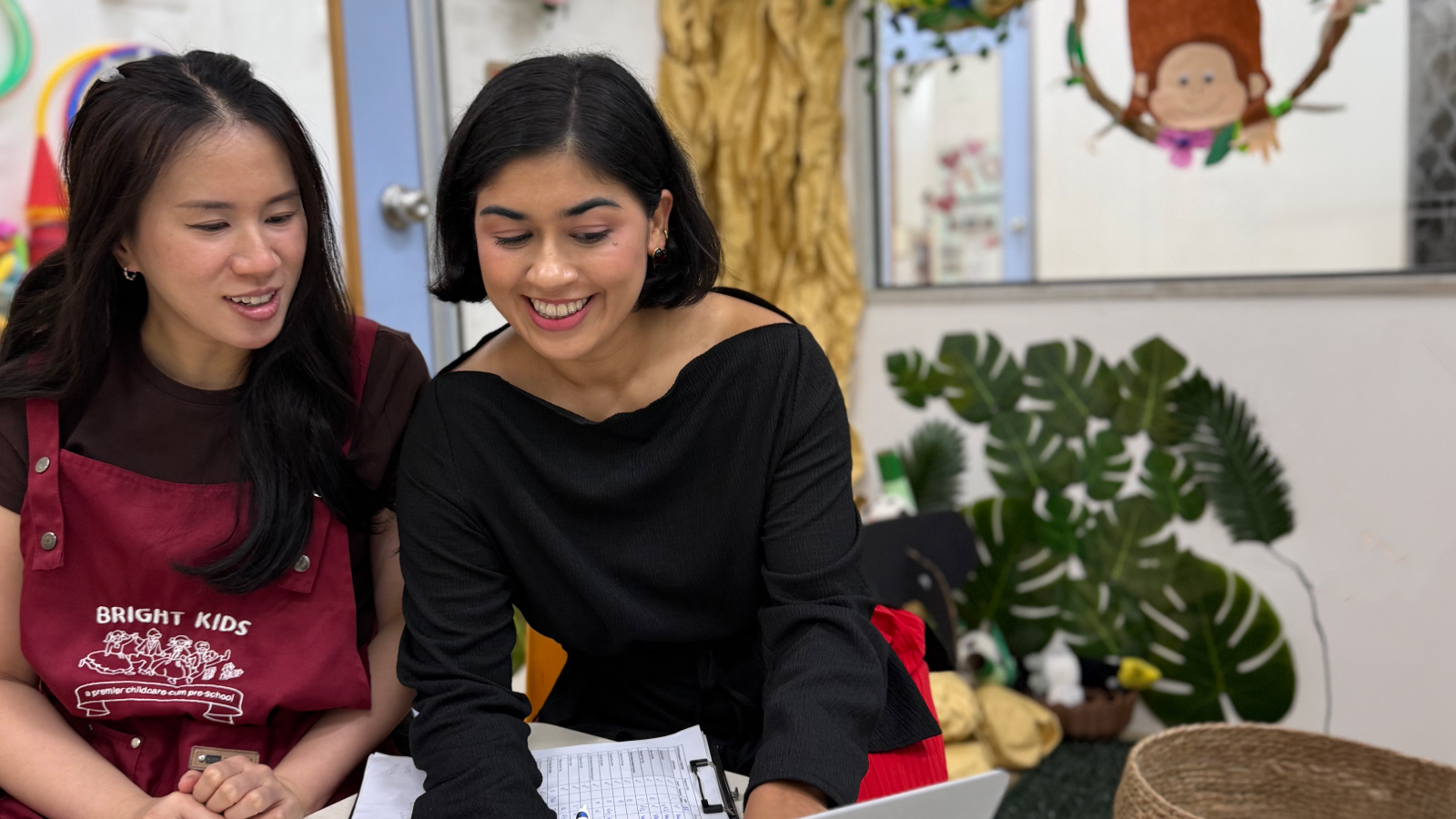 Ms Ayman (right) works closely with her educators to ensure they can take non-contact time every week.
For Ms Ayman Zaidi, Centre Leader at Bright Kids School House @ Punggol 173D, planning is key. She was still an educator when her centre introduced non-contact time in 2016. Back then whenever an educator took medical or urgent leave, their role would often be covered by an educator scheduled for non-contact time that day.
Though the preschool would try to make up for missed non-contact time, this was not always guaranteed, especially given the large block of time involved.
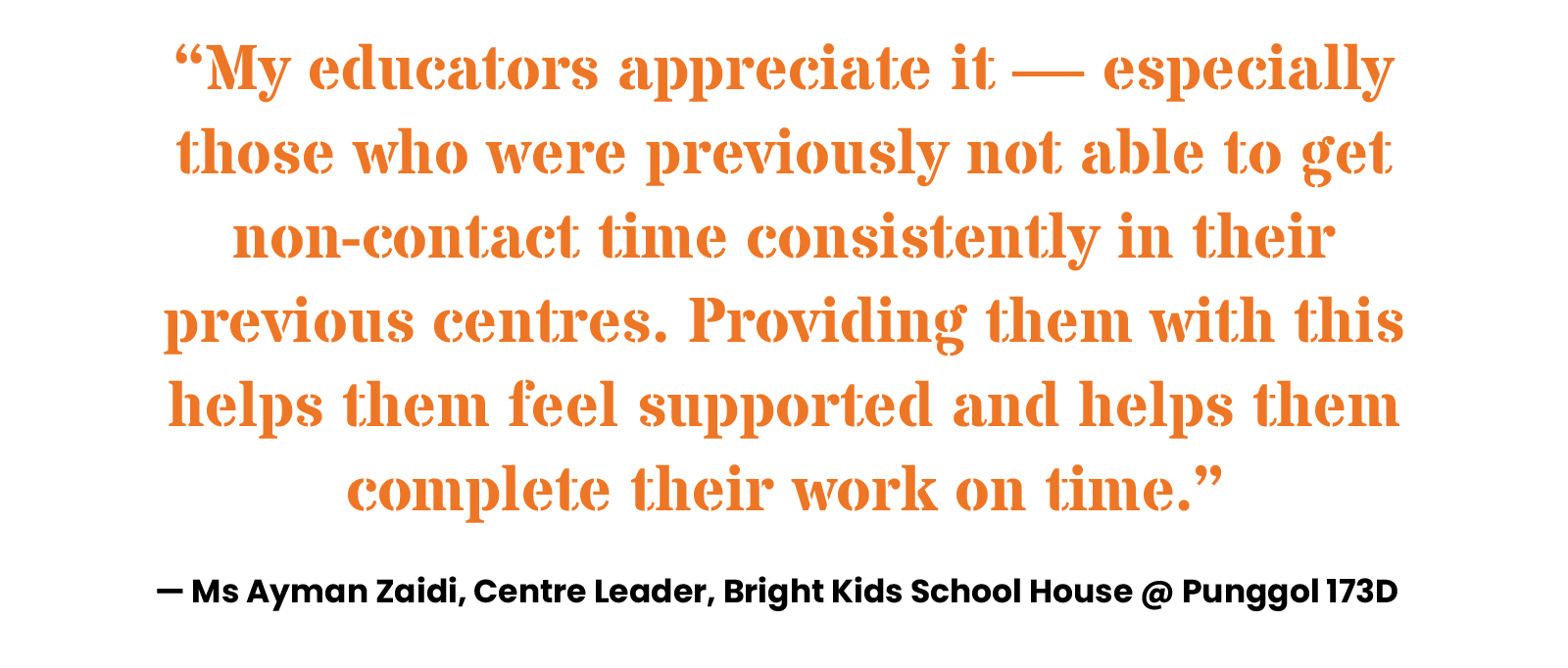
As Centre Leader today, she factors in her centre’s overall resources, the educators’ individual schedules, planned leave, and busier periods of the year to minimise disruptions. This careful planning ensures her educators have the full two-hour block of non-contact time every week without fail.
A WORTHWHILE INVESTMENT
Although it comes with challenges, both preschools know that the providing non-contact time can be achieved, and is worth doing.
“Non-contact time should be viewed as an investment in professional practice, rather than simply another operational arrangement. It requires leadership commitment, adequate resources and flexibility to ensure it can be sustained,” Ms Chew said.
Beyond leadership, having educators who support and help one another also goes a long way.
"Having a positive, helpful culture overall impacts this whole process,” Ms Ayman added.
SUPPORTING QUALITY TEACHING
From 1 November 2027, all ECDA-licensed centres will be required to provide all certified educators with at least two hours of non-contact time each week. Centres may schedule non-contact time daily, weekly, every two weeks or monthly, in blocks of at least one hour. This protected time, away from direct teaching and care, helps educators focus on other professional responsibilities, such as lesson planning, documenting children’s development, and engaging parents.
Operators will have about a year to prepare, review work arrangements and put the necessary support in place. Operators that already offer more than the minimum, or are able to do so, are encouraged to continue.
Based on its experience implementing non-contact time, E-Bridge Pre-School is well-prepared to meet the new requirement within a year. The preschool will review its existing staffing, scheduling and centre-level arrangements as it works towards the requirement. “We believe this will contribute positively to educator effectiveness, job satisfaction and the overall quality of early childhood education,” Ms Chew said.