
What makes a great preschool? Is it strong teaching, effective leadership, supportive families, or a thriving workforce? During their inaugural visit to Singapore, the five members of ECDA’s newly formed International Advisory Committee shared their personal perspectives on what matters most in delivering quality early childhood education. Here are five key takeaways for educators.
#1 EVERY INTERACTION COUNTS
The small moments matter. Meaningful conversations, shared problem-solving and genuine curiosity can have a lasting impact on children’s learning and development.
Professor Iram Siraj, OBE, Emeritus Professor and Senior Research Fellow at Jesus College, University of Oxford, shared that high-quality interactions between educators and children play a powerful role in children's learning and development.
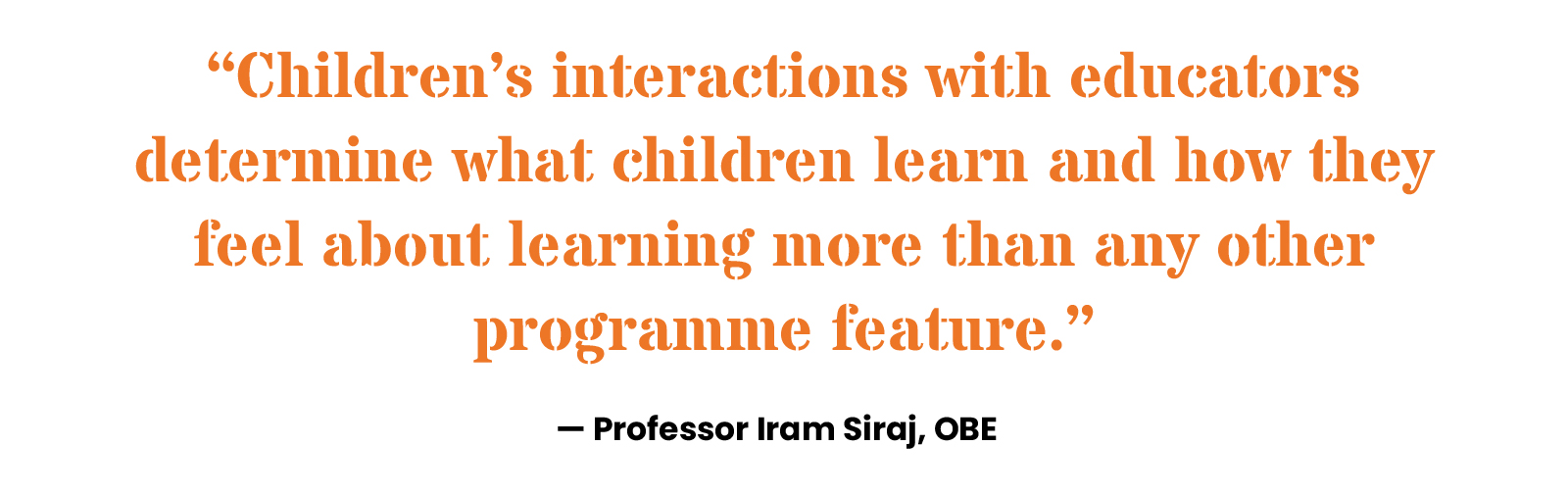
Her research highlights sustained shared thinking, where an educator and child explore an idea or solve a problem together. This could be figuring out why a block tower keeps falling, making sense of a story or exploring an idea through play.
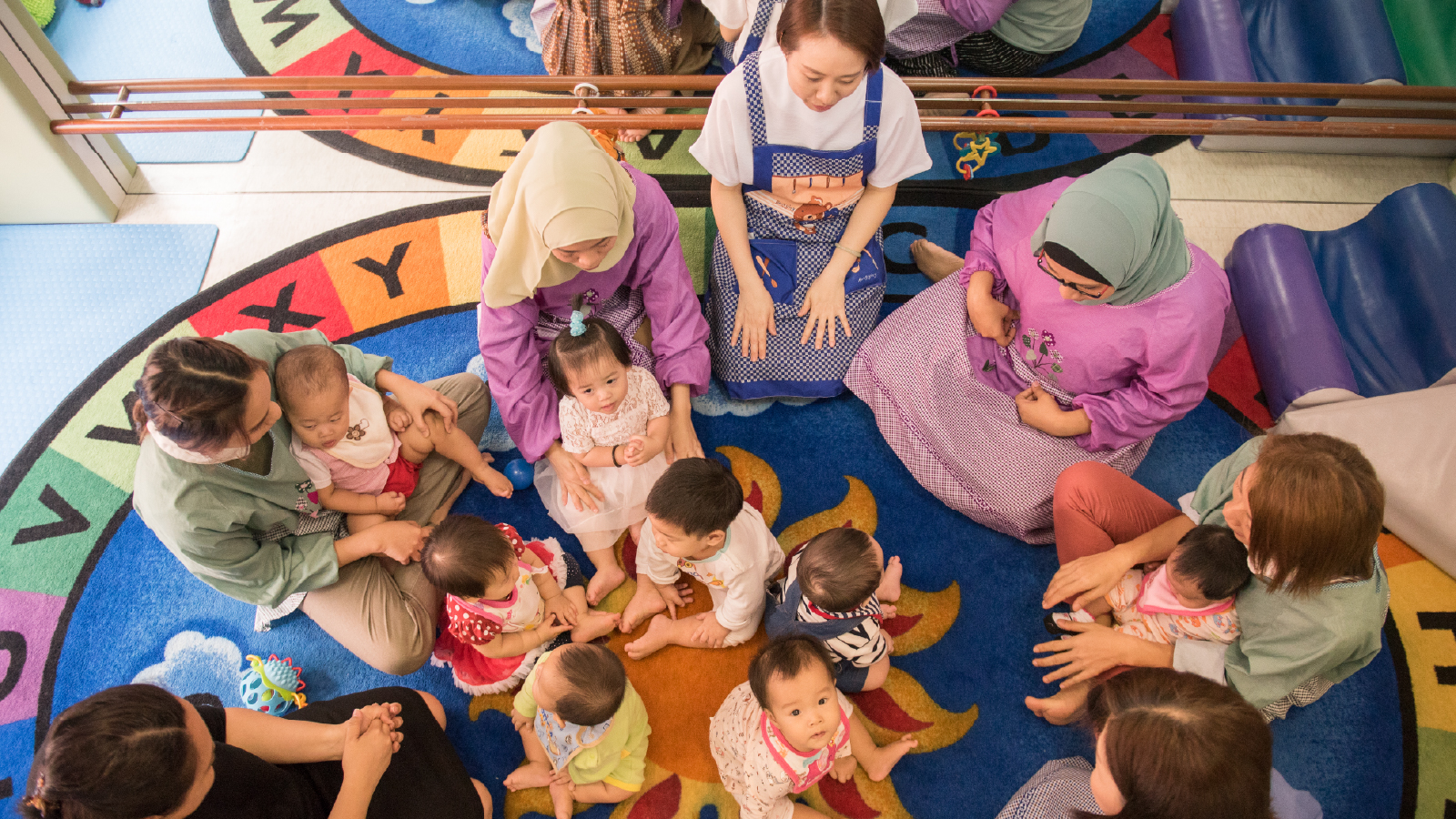
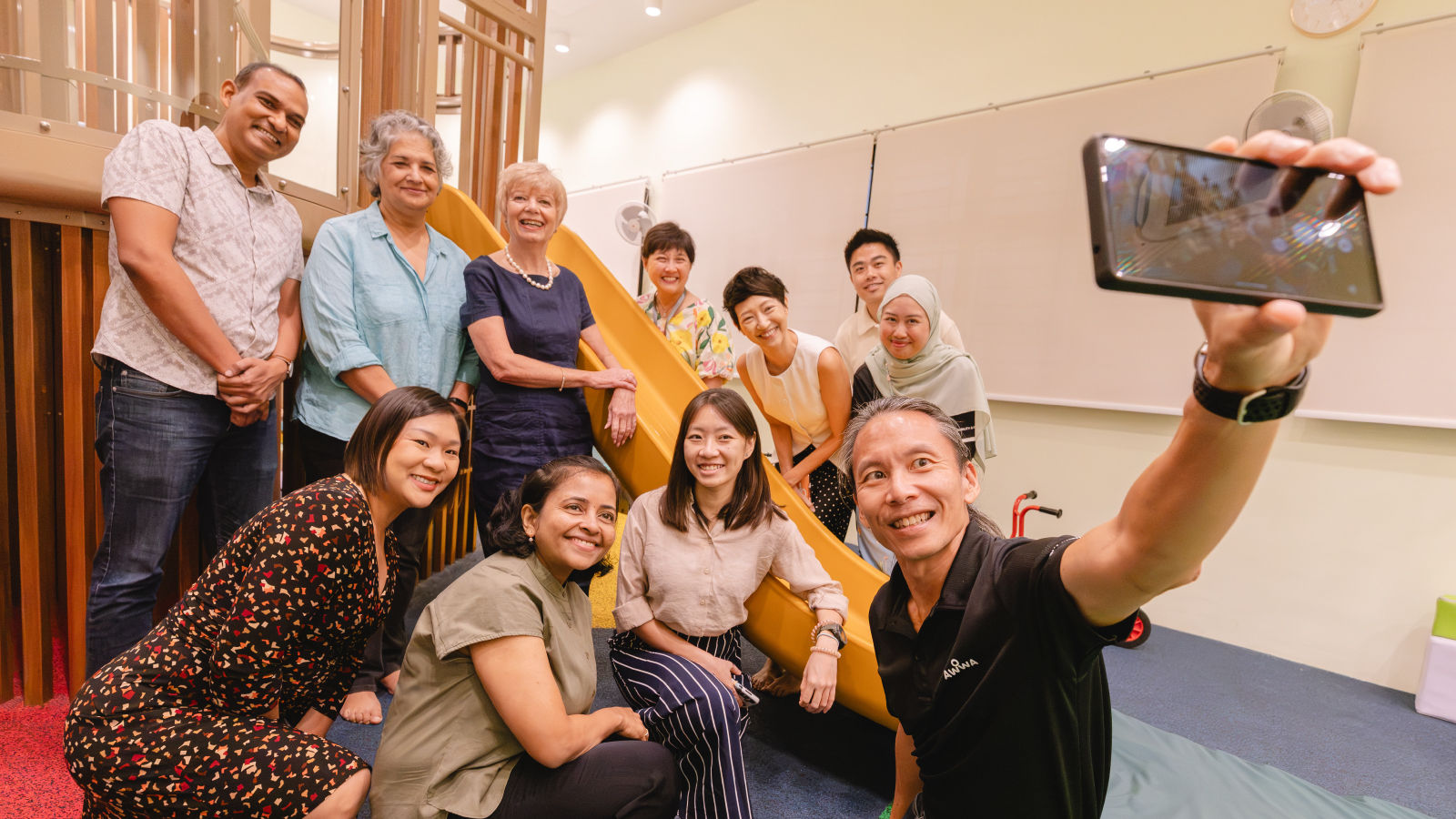 The IAC members met with AWWA @ Fernvale Woods during their inaugural visit to Singapore.
Technology can also support learning when used thoughtfully. Dr Yang Weipeng, Associate Professor in the Department of Early Childhood Education and Associate Director of the AI, Brain and Child Research Centre at The Education University of Hong Kong, suggests that educators start small. He encourages educators to begin with something concrete and screen-free, like a tangible coding robot that enriches children’s play and exploration.
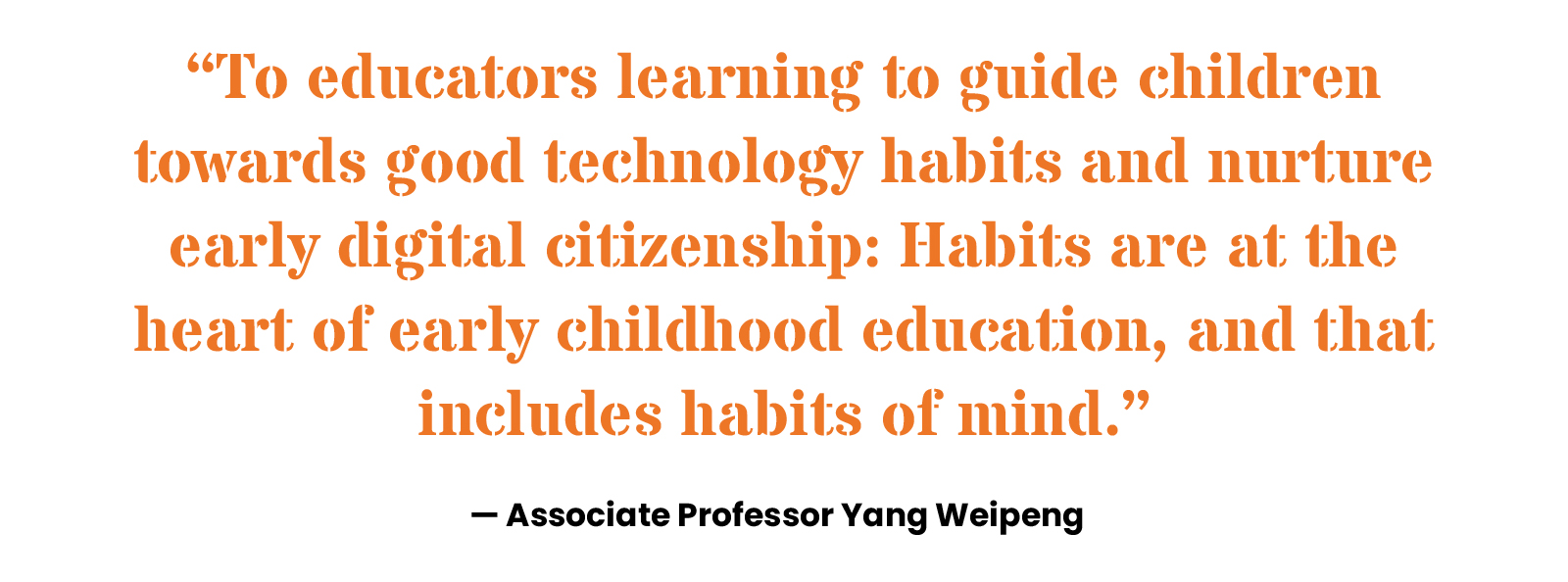
Passive screen time should be kept minimal, with educators guiding children’s use of technology. The takeaway is simple: tune in, co-use and explore ideas alongside children.
#2 GREAT LEADERS HELP EDUCATORS THRIVE
Strong preschools are built by leaders who support, guide and empower their teams to grow, learn and do their best work.
Professor Jane Page, OAM, Associate Director of the REEaCh Centre at the University of Melbourne, said effective leadership begins with building a shared vision around teaching and learning. It also means connecting research with practice and drawing on educators’ knowledge and experience.
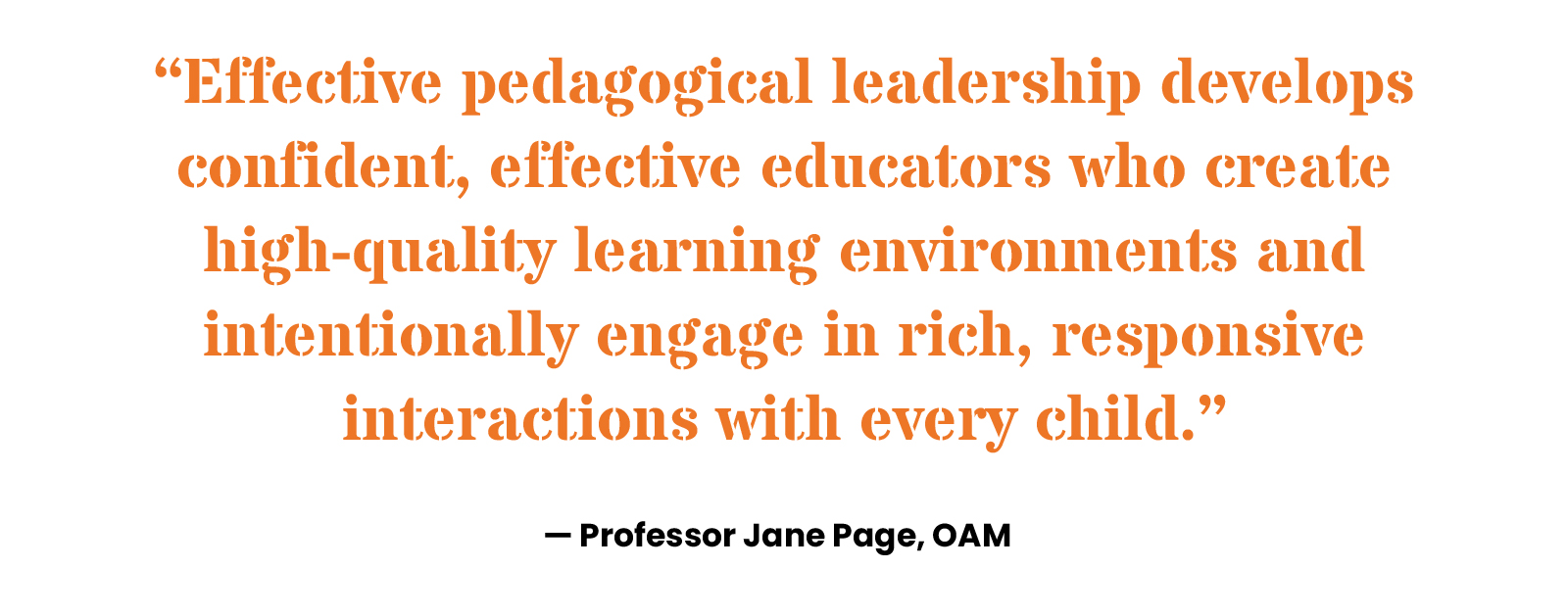
When educators feel supported and trusted, they can grow in confidence and focus on creating meaningful learning experiences.
Leaders can help by setting a clear direction and drawing on the strengths that educators bring. This builds stronger teams and creates richer, more responsive experiences for every child.
#3 STRONG PARTNERSHIPS START WITH FAMILIES
Parents know their children best. Building trusting relationships with families helps educators better support each child’s learning and interests.
Professor Page observed that educators across Asian and Western settings share a commitment to recognising parents as children’s first teachers. Educators want to learn from parents about their children’s aspirations and cultures.
While these partnerships may take different forms across countries and communities, there is much that both sides can learn from each other.
For educators, listening to families can provide a fuller picture of each child. Educators can, in turn, share their observations of the child’s learning and development in preschool.
When parents and educators trust one another, share what they know and work towards the same goal, they are better placed to support the child together.
#4 SUPPORTING EDUCATORS MATTERS AT EVERY STAGE
Attracting educators is only the first step. Keeping them in the profession means providing the right support, recognition and opportunities to grow throughout their careers.
Ms Sue Robb, OBE, the United Kingdom Government’s Best Start in Life Champion at the Department for Education in England, has seen this challenge up close in both England and Australia.
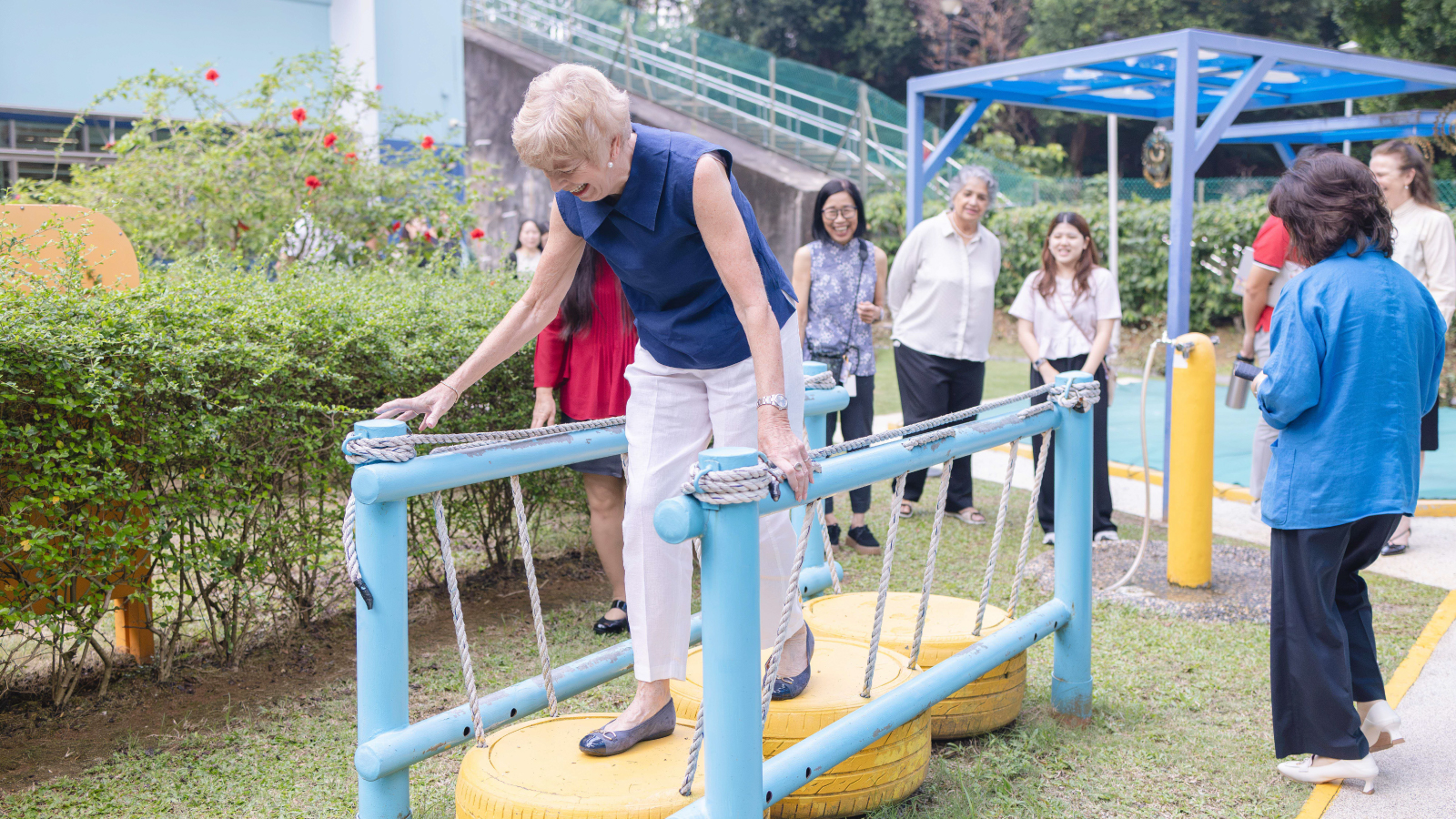
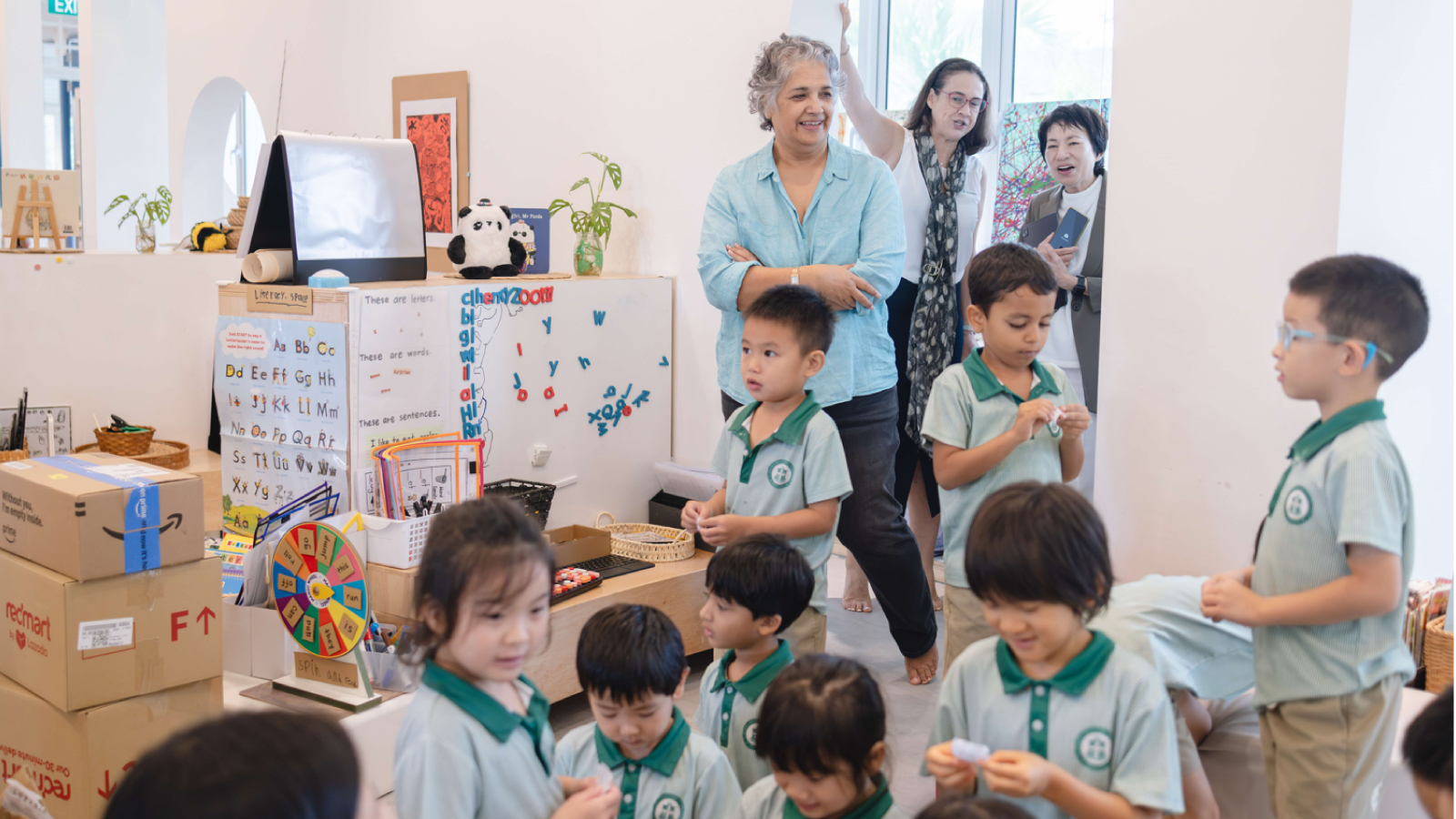 The IAC members observed and interacted with the staff and children from SJI International Preschool during their visit to Singapore.
At Goodstart Early Learning in Australia, a retention strategy was introduced based on the understanding that educators at different stages of their careers need different kinds of support. This tailored approach helped reduce attrition. “An educator at the beginning of their career needs very different support from an experienced educator,” shared Ms Robb.
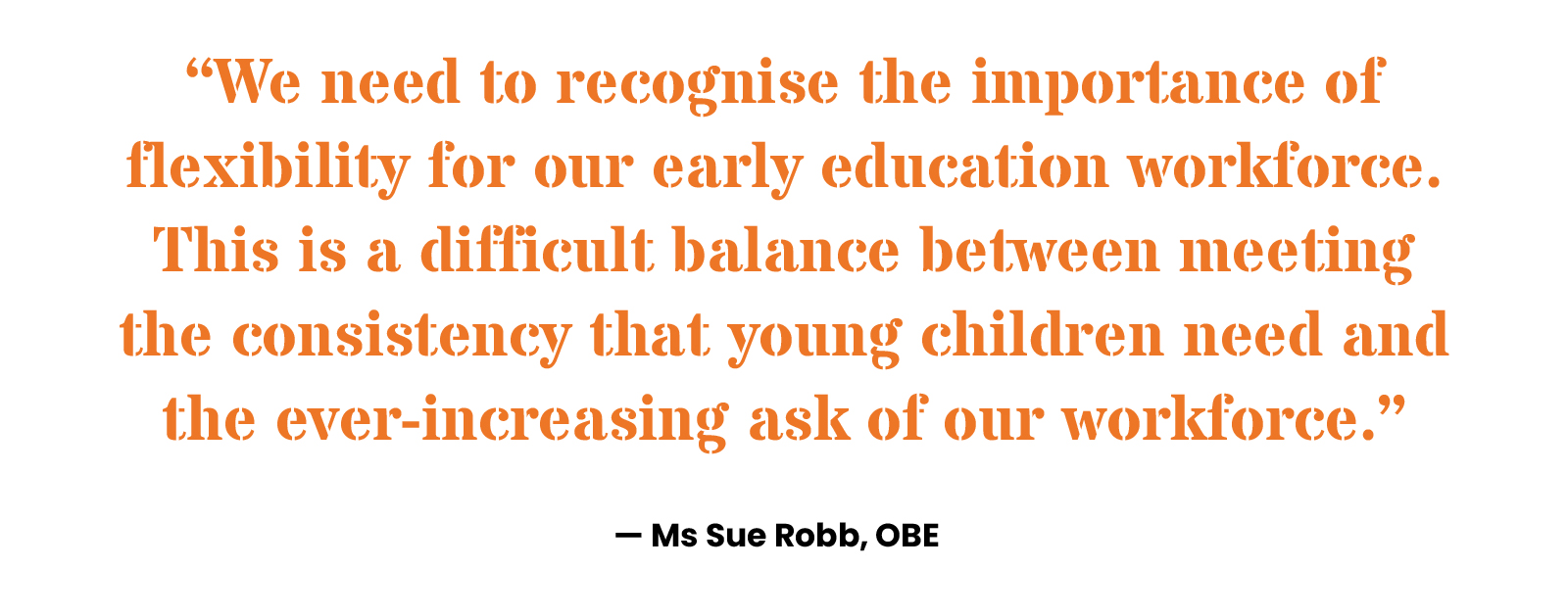
Professor Mugyeong Moon, Senior Research Fellow at Seoul National University’s Education Research Institute, added that professional recognition requires more than training.
Drawing on South Korea’s efforts to integrate its kindergarten and childcare systems, she highlighted the need to reduce structural gaps and build a shared professional identity.
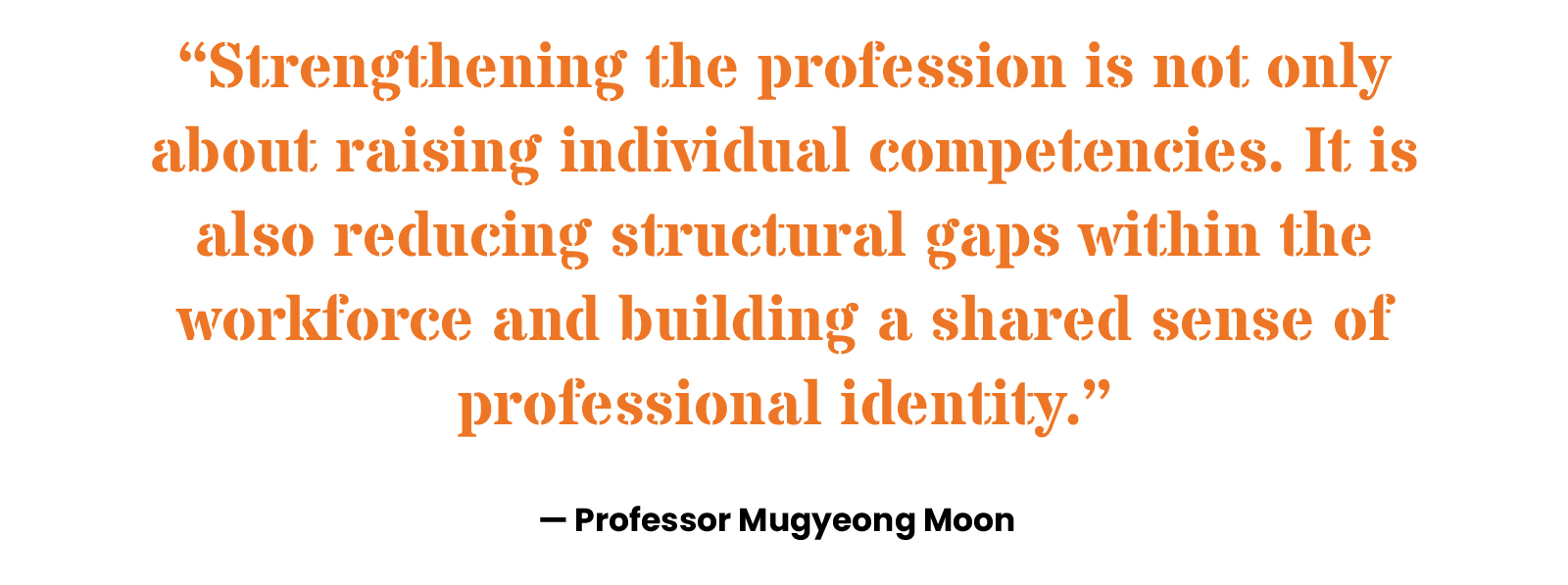
This means protecting educators’ dedicated time, investing in mentoring and practitioner inquiry, and recognising their growing expertise through career progression and remuneration.
#5 QUALITY IS EVERYONE'S SHARED GOAL
From educators and leaders to families and policymakers, raising preschool quality is a collective effort that helps every child thrive, and this is reflected in the scope of Quality Preschools 2030.
Ms Robb described the development of Singapore’s early childhood sector as being at a pivotal and exciting moment, given the focus on areas like quality, children’s learning and their progress, partnerships with families and the community, and the professional learning of the workforce. Professor Page pointed to educators’ strong sense of professional purpose as an important foundation to build on.
For Assoc Professor Yang, the ambition is clear. He shared that Quality Preschools 2030 is exciting — enhancing accessibility, affordability and quality across Singapore, and setting a model for other countries.
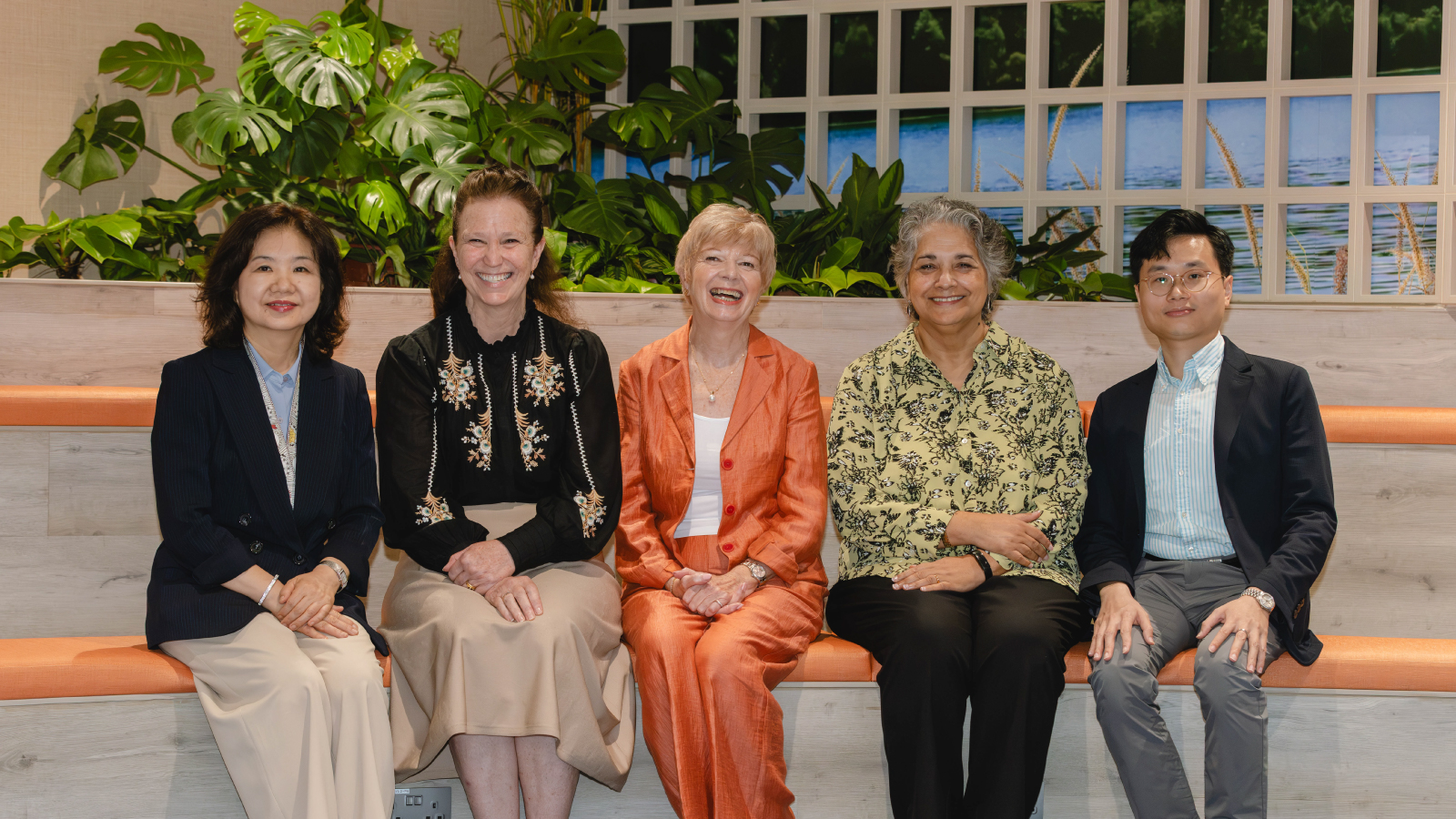 The IAC brings together five internationally recognised experts from Australia, Hong Kong, South Korea and the United Kingdom as part of Singapore's ongoing efforts to strengthen preschool quality under the Quality Preschools 2030 plan.
In their conversations with Beanstalk, the five experts highlighted a common theme: quality early childhood education is shaped by strong relationships, meaningful interactions and ongoing professional growth.
Whether through partnerships with families, supportive leadership or opportunities for educators to develop their practice, people remain at the heart of quality preschool experiences.