





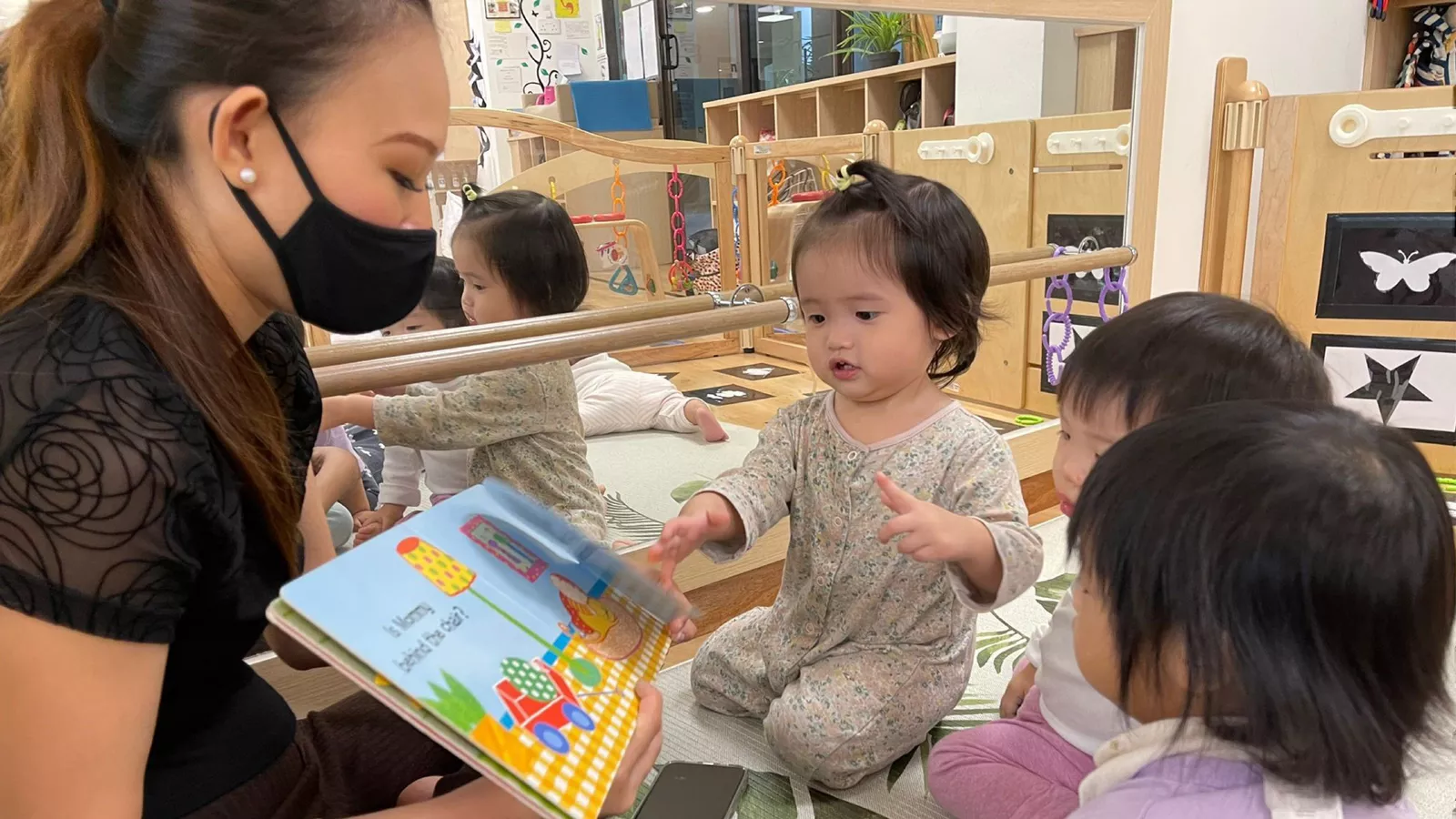

Infant care is often dismissed as glorified childcare. But it's a lot more than that, says Ms Zurhidah Binte Matsidah, the 2022 recipient of the ECDA Promising Infant Educator Award.
Early childhood (EC) educators working with infants and toddlers follow the Early Years Development Framework (EYDF), which sets the standard for quality care and education in the first three years of a child's life. Anchoring this framework are these C.H.I.L.D. principles that shape daily practices in infant care:
- Caregiving and routines as opportunities for learning and development
- Holistic development
- Intentional planning for meaningful experiences
- Learning through exploration and play in a safe and enriching environment
- Developing secure attachments through respectful, responsive and reciprocal (3R) interactions
Ms Zurhidah, a Senior Infant Educator at E-Bridge Pre-School @ Sengkang Square, shares how these principles guide her practices and sets the record straight on common myths.
1INFANTS ARE TOO YOUNG TO LEARN
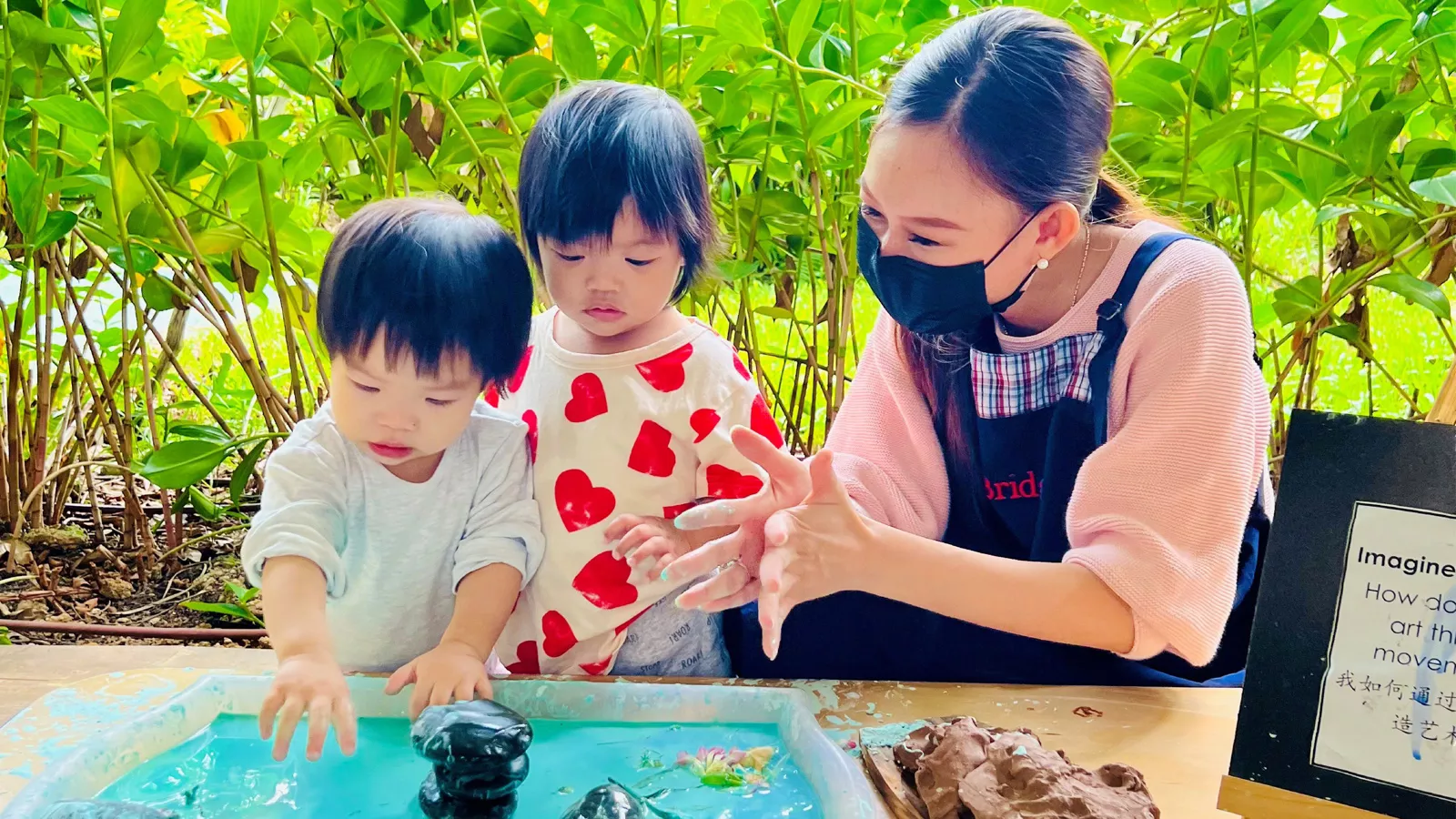 Ms Zurhidah (right) designs purposeful play activities for infants, such as meadow goop sensory play, which integrates the development of fine motor skills, vocabulary and communication skills, scientific thinking and social awareness.
Infants are learning all the time — observing, communicating and interacting with others and the environment around them. Adults' warm responses, gestures and tone of voice lay a strong foundation for their holistic development. Equally important is providing ample play opportunities as it is the primary way infants explore and learn. Through daily interactions and sensory experiences, their brains form vital neural connections especially during the first three years of life.
MS ZURHIDAH SAYS: “Infant educators play a key role in facilitating and supporting young children’s play. We use a variety of materials, like sensory boards with different textures, and water tables with containers and funnels. To develop infants’ language and cognitive skills, we ask questions, draw their attention to details (e.g. colour, size, shape) and affirm their efforts. Free and open-ended play, such as exploring natural objects like pebbles and leaves as well as art activities, encourages children to experiment and discover. It promotes creativity, imagination, problem-solving and motor skills, among others.”
2
INFANT EDUCATORS ARE JUST BABYSITTERS
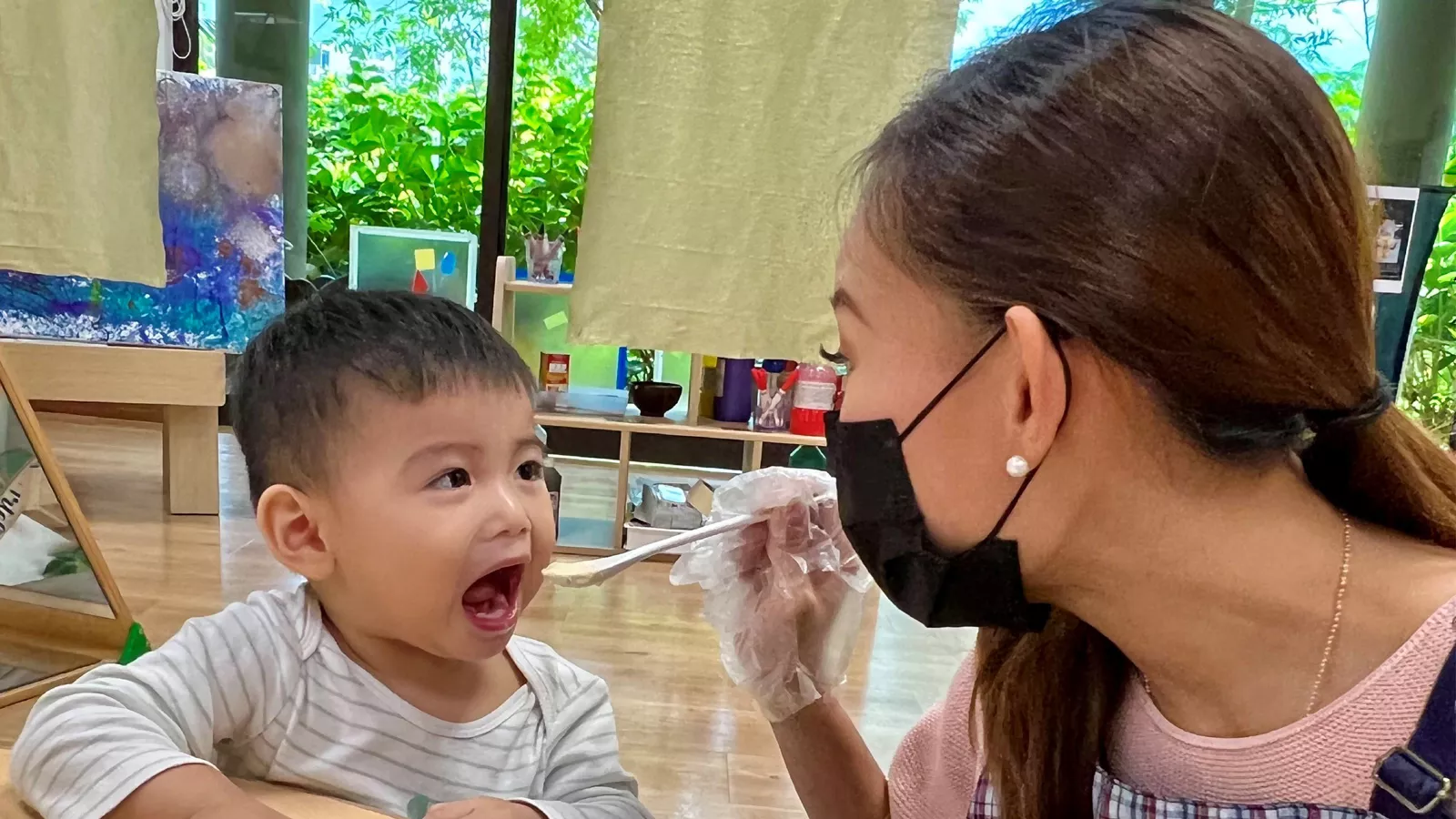 Interactions built on the 3Rs transform routine care into opportunities for relationship building and meaningful learning.
Infant educators create learning opportunities — even during routine care activities like diapering, feeding and bathing — through the 3Rs of caregiving: being Respectful, Responsive and Reciprocal. This involves showing respect by pre-empting the child what is happening (e.g. “I am going to change your diaper now”), being attentive and responsive to their cues (e.g. “I can see that you are excited about …”), and engaging in two-way communication during exchanges (e.g. infant shakes rattle and smiles at the adult, who smiles in return and says, “Oh, you made a sound! Shake, shake!”).
MS ZURHIDAH SAYS: “Being respectful, responding consistently, and acknowledging infants’ needs and gestures are paramount. It builds trust, strengthens social and emotional development, and lays the foundation for developing healthy relationships with others.”
3INFANT EDUCATORS DO NOT NEED PROFESSIONAL TRAINING
 Ms Zurhidah has an Advanced Certificate in Early Years, which equips her with skills and strategies to support the development of children from birth to three years old.
Planning and implementing infant care programmes that provide stimulating learning experiences for babies requires professional training. The highest-level certification for infant educators is the Advanced Certificate in Early Years, offered by the National Institute of Early Childhood Development (NIEC).
MS ZURHIDAH SAYS: “All aspiring infant educators should undergo professional training. It equips us with a good understanding of child development, appropriate teaching and learning strategies, and how to design environments that support key developmental milestones (e.g. crawling, walking). Trainees also learn how to conduct observations and plan purposeful play activities, along with health, hygiene, safety and nutrition practices.”
4THERE IS NO CAREER PROGRESSION FOR INFANT EDUCATORS
 Being a member of the Learning Community of Social & Emotional Development gave Ms Zurhidah (left) access to mentors and peer learning opportunities.
A wide range of training and career opportunities is available for infant educators. They can enrol in Continuing Professional Development (CPD) courses to enhance their knowledge, understanding and skill sets, on top of mentorship and peer learning programmes. Structured progression pathways are also available for those aspiring to take on specialist or leadership positions, such as senior infant educator, pedagogist or centre leader.
MS ZURHIDAH SAYS: “I was among the first batch of Early Childhood Learning Community (ECLC) core members, known as PASTELs (Pedagogists And Specialists in Teaching and Learning). We shared challenges and teaching strategies to support children’s social and emotional development. I picked up valuable pedagogical practices from my peers, such as setting up a ‘calming corner’ to help children self-regulate and manage their feelings.”


