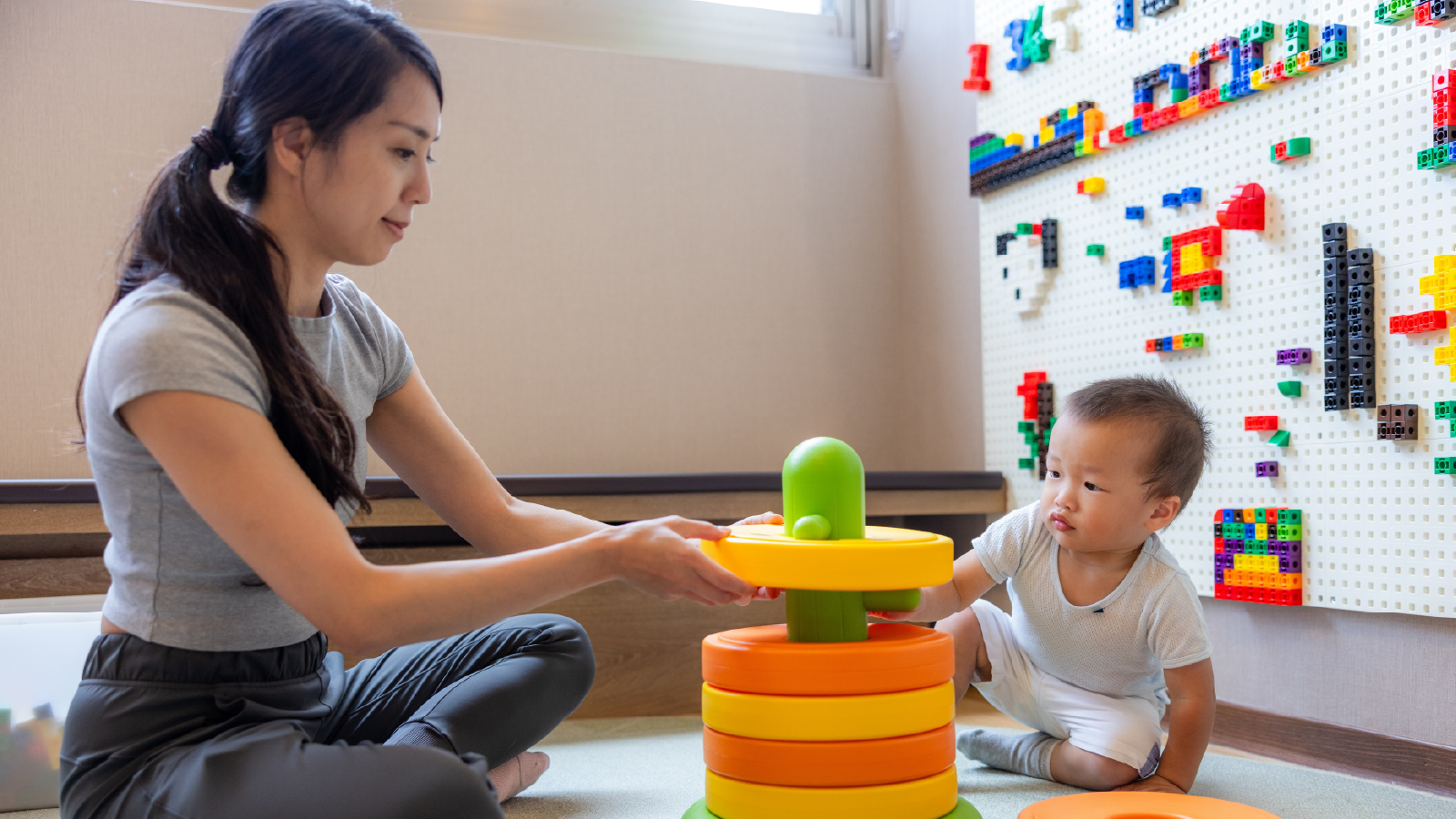
When Dr Cynthia Lim bought a classic stackable ring toy for her toddler years ago, she assumed he would use it as intended. Instead, he started spinning the rings around. “Not once did he stack them,” she recalls wryly.
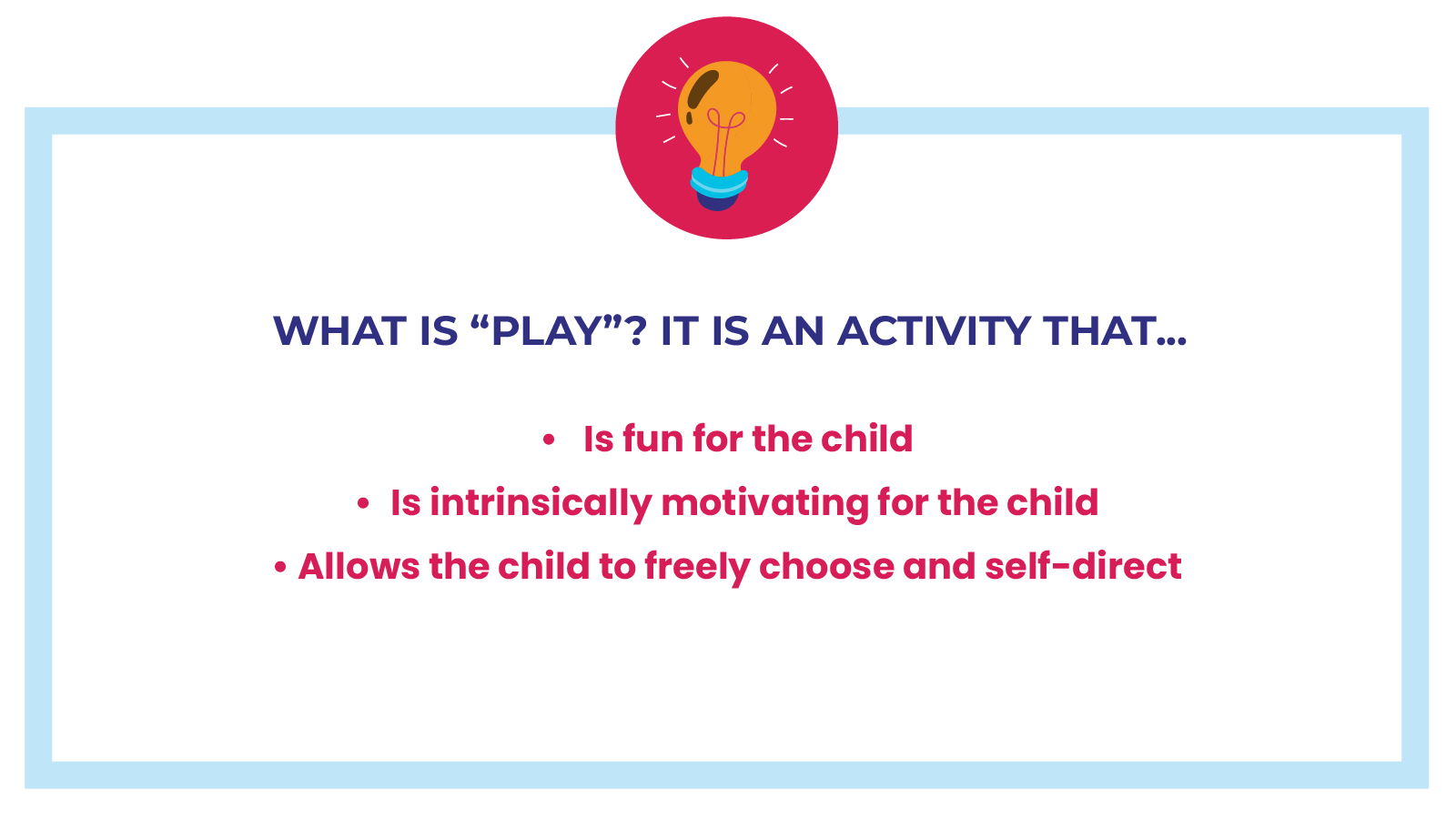
Instead of correcting him, she let him explore and take the lead. This is what we call “child-led play” —where the child decides what to do and how to do it. It may not always look “correct” to adults, but it is often where rich learning happens — especially for younger children who are still making sense of the world around them.
“Research shows that learning during play can be meaningful to the child, leading to deeper learning compared to direct instruction by the educator,” says Dr Lim, who heads the Early Childhood Education programme at the Singapore University of Social Sciences (SUSS). “When children are engaged, they are driven by their curiosity to actively discover, build their own knowledge, and make connections.”
HOW CAN ADULTS GUIDE PLAY?
So where do adults come in? Children can benefit from adult guidance during play — especially when parents and educators have specific learning goals in mind. The key is to guide children into setting up conditions for meaningful learning, without diminishing the child’s sense of freedom and agency in the play experience, emphasises Dr Lim.
“Be mindful that children are naturally active explorers. If they feel that there is only one way to play, they may get bored and lose interest in the activity,” she says. In a classroom, for example, educators can encourage children to create their own necklace patterns while gently introducing ideas about pattern recognition.
Adults should also be intentional in observing what children are drawn to and use it to support their learning. This means choosing materials thoughtfully, modelling curiosity, or asking questions that extend children's thinking without taking over.
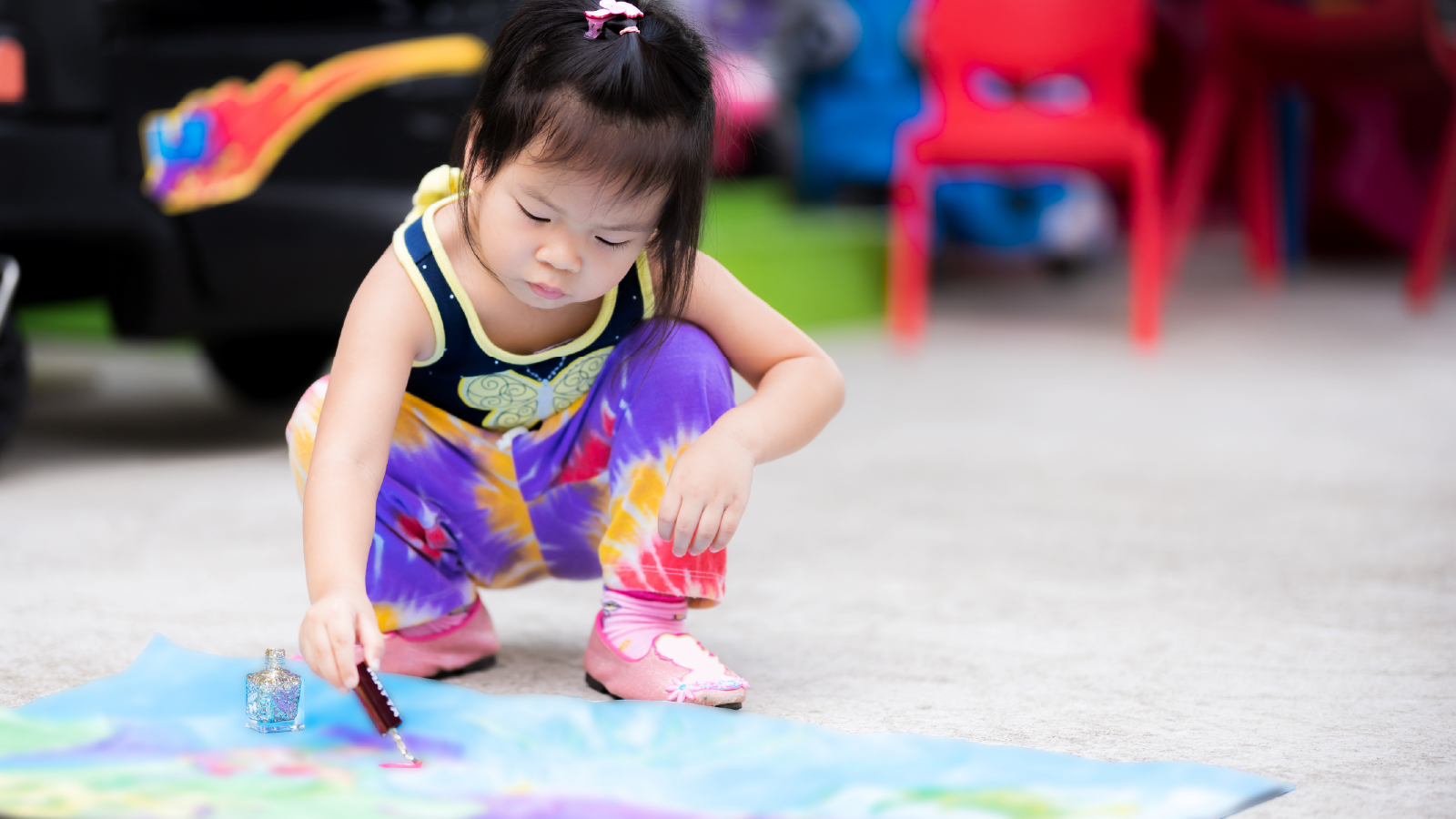 Retaining an element of choice even in educator-led play can help children stay engaged, as well as learn better.
SIX STRATEGIES FOR PLAYFUL LEARNING
So how can parents and educators put this into practice? Dr Lim suggests six simple strategies for playful learning.
- Strategy #1: Observe, don’t project
Resist the urge to step in and show children the “right” way to play. Instead, observe what they are trying to do and support their ideas with the tools they need to achieve these.
- Strategy #2: Let creativity flourish
Whether at home or at preschool, children benefit when play is “open-ended”. Offer them a mix of toys such as puzzles, playdough, sand or building blocks — which can be used in different ways and allow for creativity.
- Strategy #3: Make the environment conducive to play
In preschool, educators can set up different learning corners with activities of varying levels of difficulty. Some activities can be guided, while others, such as simple experiments or building activities, can be open-ended.
At home, parents can set up a low, easy-to-access “learning shelf” where children can choose open- and close-ended toys or materials they want to play with.
- Strategy #4: Let children decide
What if every child wants different things? Parents and educators can turn this challenge into a learning opportunity where children practise negotiating and making decisions. Children can share their preferences and interests, take a vote, create simple charts or a graph to represent their votes, and participate in collective decision-making. Providing choice can also help quieter children participate more confidently.
- Strategy #5: Guide by the side
If a child is having difficulty expressing themselves, ask open-ended questions rather than being directive. This approach, known as “guiding by the side”, supports children’s thinking without taking over. Questions include “What are you trying to do?”, “What will you be doing next?” or even “How can I help?” Adults do not need to have all the answers. In fact, they can explore alongside the child.
- Strategy #6: Work together
Parents and educators can achieve more together. By sharing observations about a child’s interests or skills, they can find ways to better support the child’s learning both at home and in preschool.
The key thing about play is that we’ve all experienced it. When in doubt, go back to your own childhood, Dr Lim suggests. “What was fun for you? Rediscover your own playfulness and work from there,” she says. “If freedom in play brought you joy and happiness… give that freedom back to the child.”