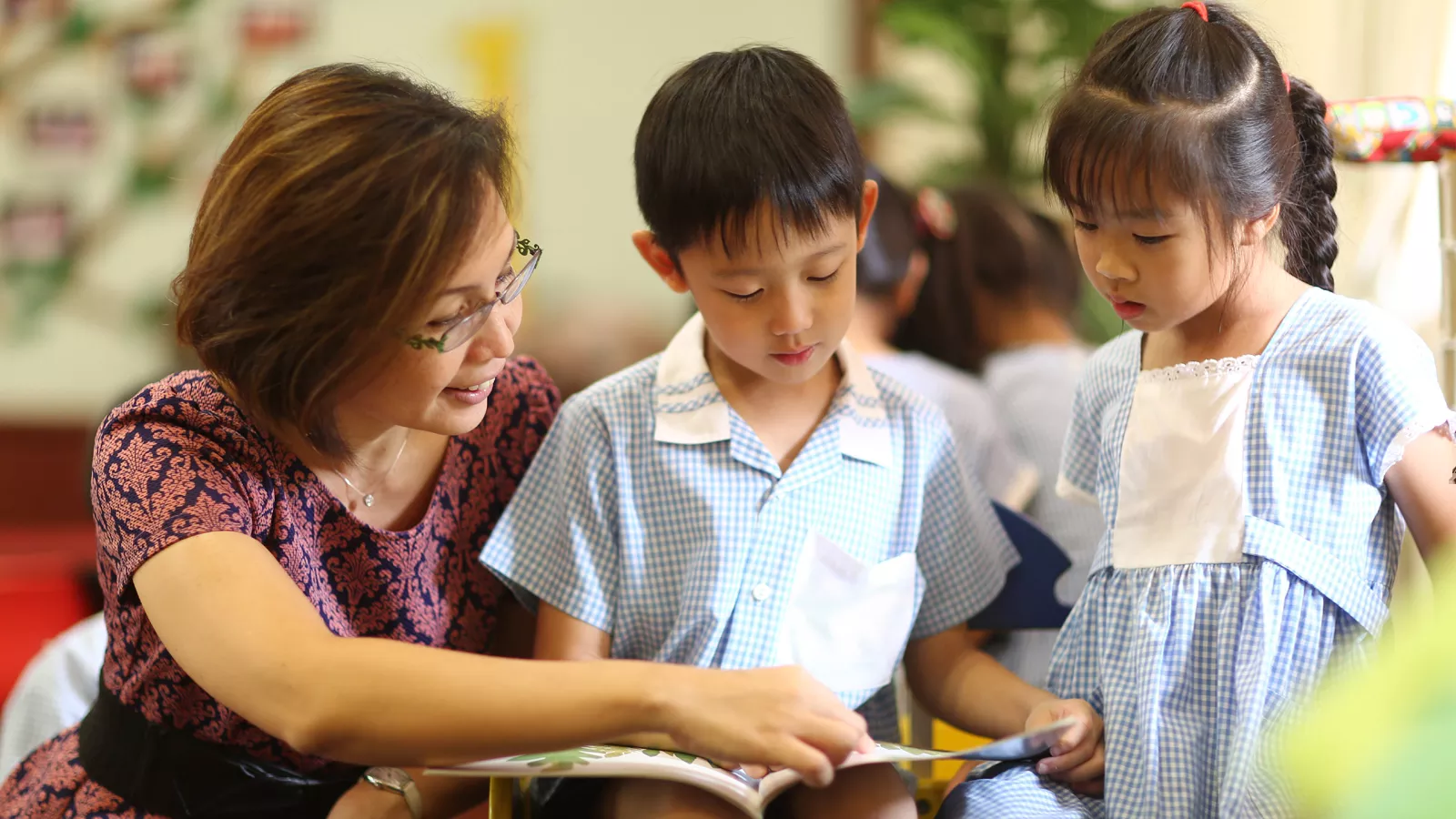

Books can shape young minds in profound ways, building the foundation for language and literacy skills. “Reading has a positive impact on children’s ability to sound out words, spell and express themselves verbally and in writing,” says Ms Chen Wanying, Senior Librarian (Early Literacy), National Library Board (NLB).
Reading also stimulates brain development, nourishes imagination, and fosters critical thinking and inquiry skills. Through picture books and simple stories, children can grasp social concepts like navigating friendships or managing big emotions. Connecting with plots and characters helps them gain confidence to cope with real-life challenging situations, such as welcoming a new sibling or finding courage to admit mistakes.
“Children’s literature helps shape the perspective or lens through which a child views and understands the world,” says Ms Chen. Setting aside daily reading time is also crucial for strengthening bonds between children and caregivers, whether educators or parents. This habit nurtures a love for reading and encourages children to read independently as they grow.
PICK THE RIGHT BOOKS FOR EVERY AGE
Ms Chen offers some tips on choosing age-appropriate reads.
For children aged 0 to 3, choose books that have:
- Few or no words, or (if there are words) songs and rhymes
- Large, bright and simple illustrations
- Sensory and interactive elements (e.g. lift-the-flap or touch-and-feel books)
For children aged 4 to 6, these may be more appropriate:
- Picture books that make good use of visual elements to create the mood of the story
- Books that have memorable and well-developed characters and plots
Ms Chen also recommends letting older children choose what they want to read. Some may gravitate towards stories about trucks and dinosaurs, while others may prefer humour. Many children also enjoy having the same book read repeatedly. Actively involving children in the reading journey helps spark their interest and excitement in reading.
READ THIS, THEN TRY THAT
Looking for your child's next great read? Here are some delightful books with fun follow-up activities to extend their learning.
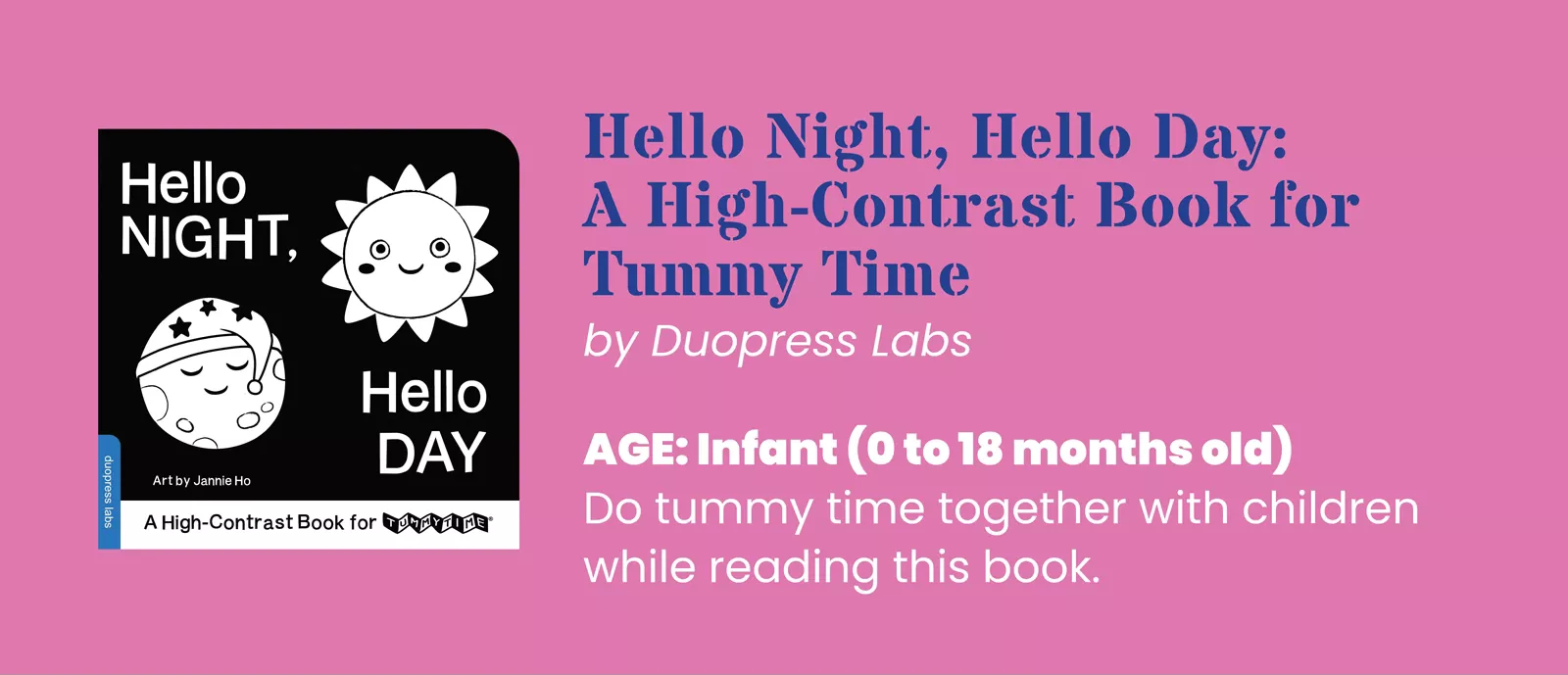
Follow-up activity:
- With its built-in ‘mirrors’, this accordion book helps babies see themselves while exploring facial features as they roll over, crawl or reach for it.
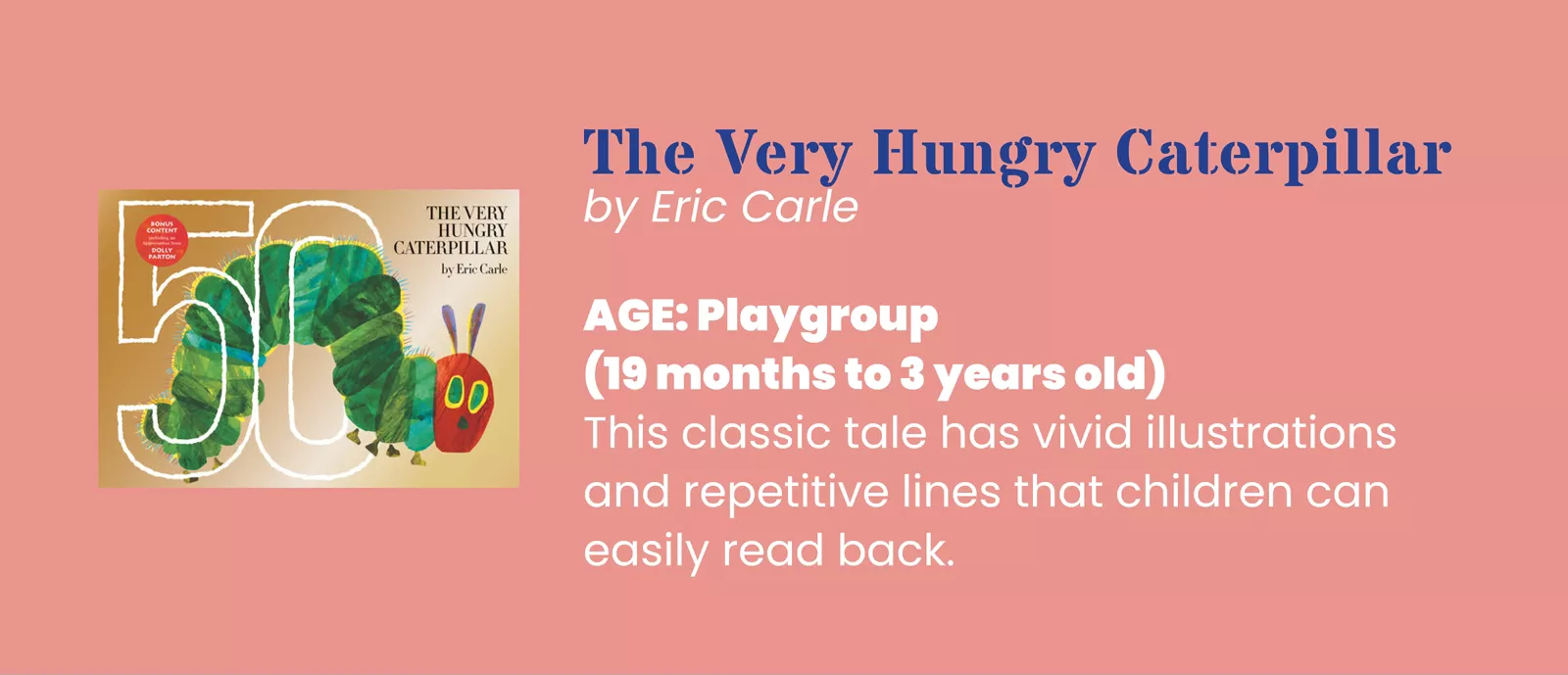
Follow-up activity:
- Collect the fruits or food items from the story in a basket. Children can pick out items according to their name, sort by colour or size, and count the number of items in each group.
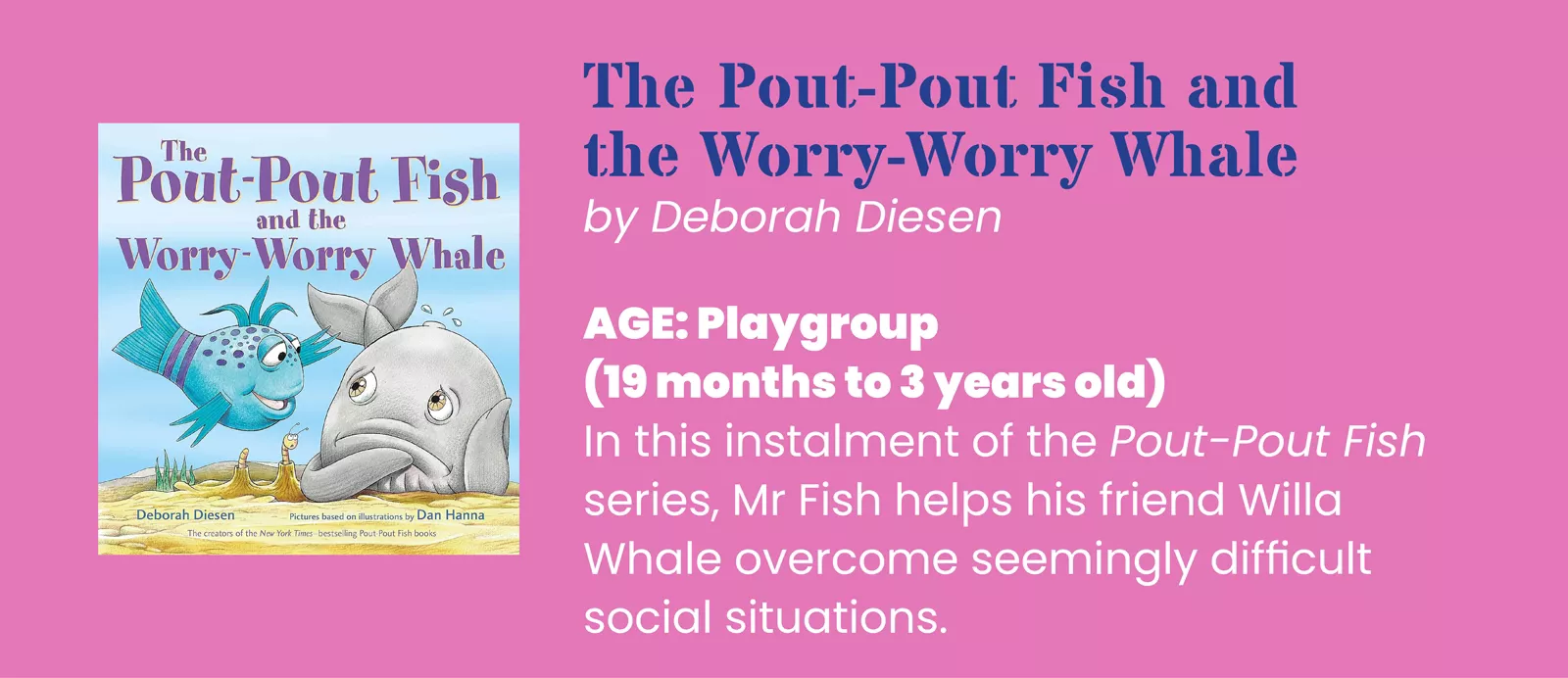
Follow-up activity:
- Go through the different strategies used by Mr Fish to manage big emotions. Write these down and hang up the list on a board or wall. Your child can refer to it when they feel big emotions or need to calm down.
- Turn an empty shoebox into an underwater world! Children can fill it with toy sea creatures and plants, or cut and paste pictures inside. Let your child's imagination swim free as they create their very own ocean scene.
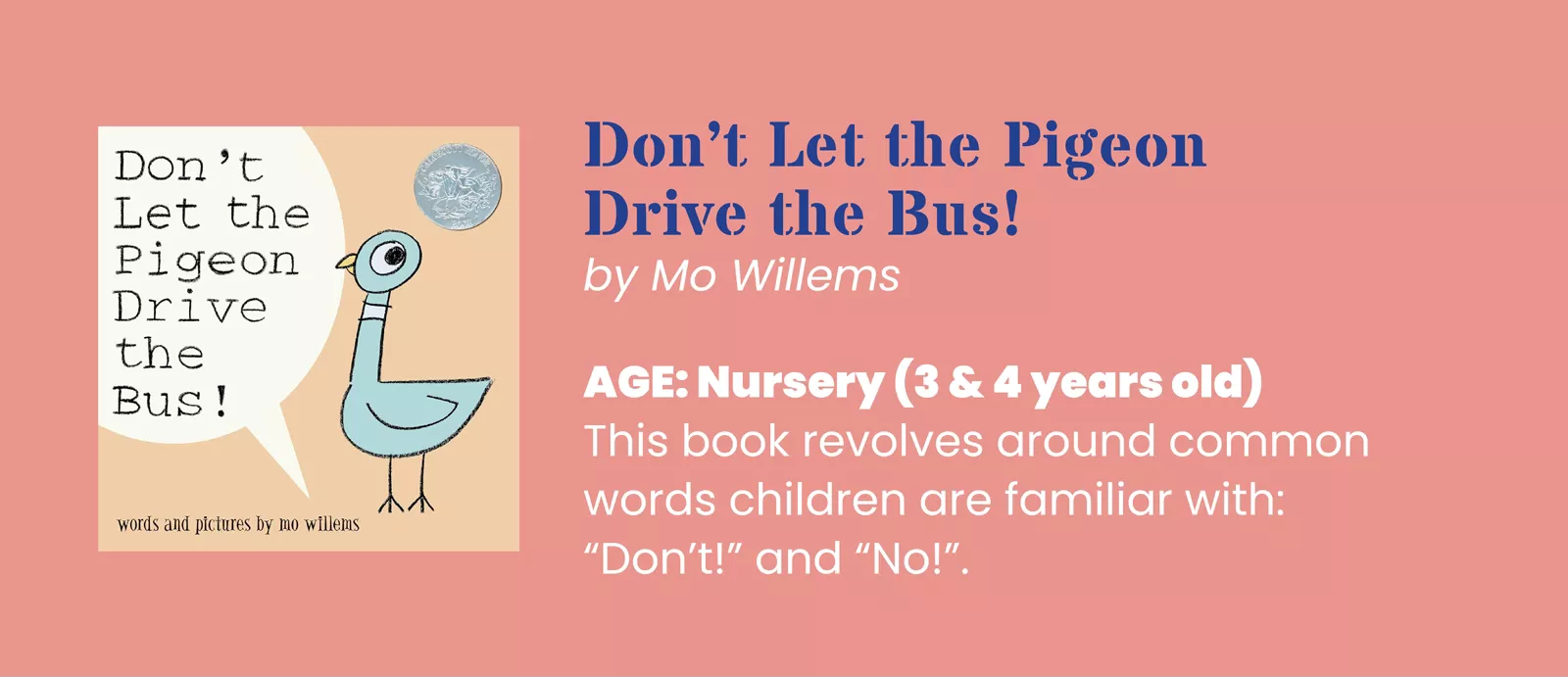
Follow-up activity:
- Invite your child to share reasons why the pigeon should or should not drive the bus. This sparks creativity and imagination while making the story come alive.
- Act out the story together. You can be the bus driver, while your child reads the pigeon’s lines. Encourage them to show the pigeon’s tone or emotions through their voice and actions.
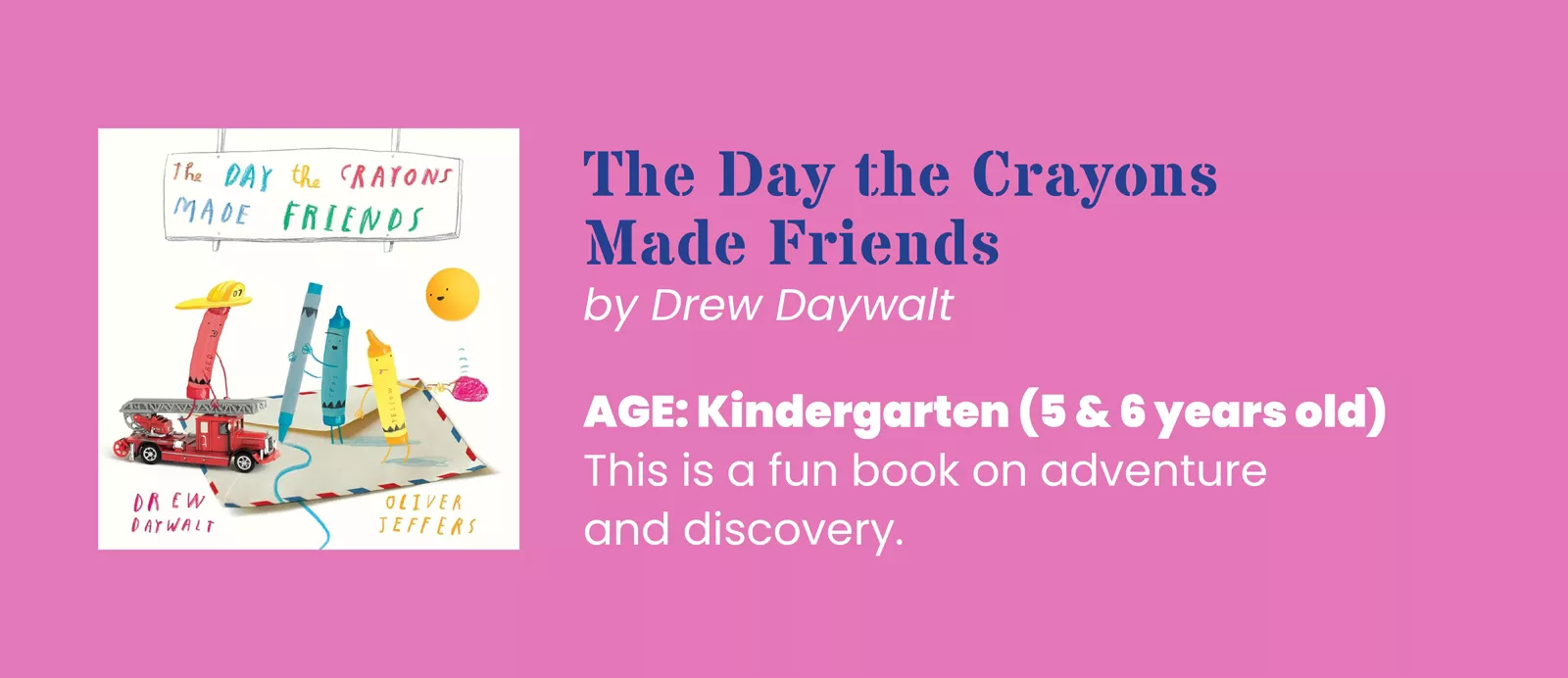
Follow-up activity:
- Guide children to put the story events in order. This helps them recall the plot and understand how the story unfolds.
- Let children pick their favourite crayon. They can draw the adventures the crayon might have.
- Talk about one of the crayons and how it felt about making friends. Ask children what they would do if they were in the crayon’s shoes.
You can choose the books based on your child's interests and your own preferences, as your enthusiasm for a book will naturally transfer to your child and enhance their reading experience.
PLAN LESSONS USING THE 5E MODEL
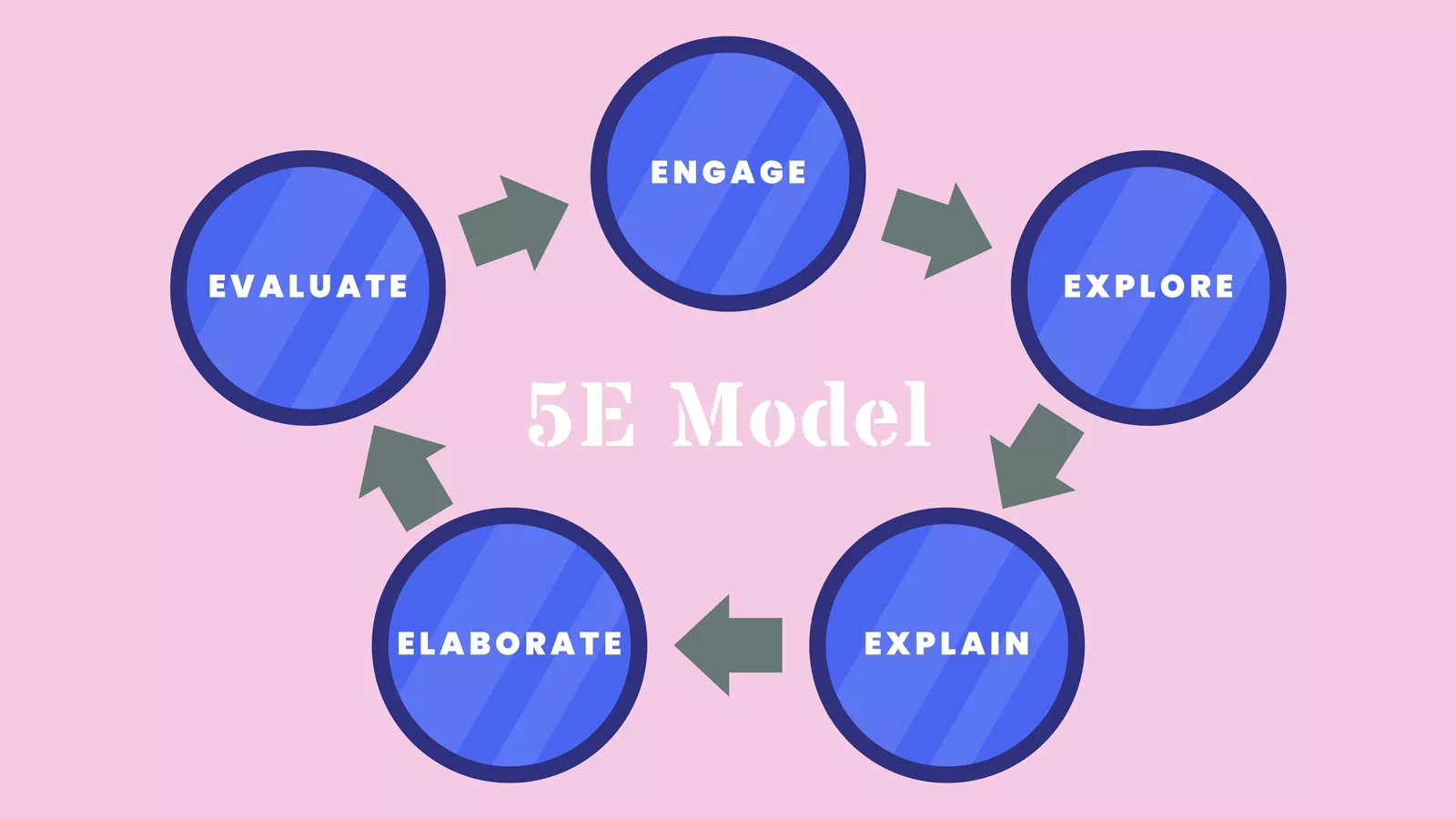
The 5E model is a teaching framework that guides children through five phases of learning:
- Engaging with the topic
- Exploring the world around them
- Explaining their thinking
- Elaborating on their learning
- Giving educators a way to evaluate that learning
Originally developed for science education, this model also works well with children’s literature, project-based learning or any topic — sparking curiosity and imagination. It is grounded in three key elements: exploring a topic, introducing new vocabulary, and applying concepts in meaningful ways.
Through the 5E model, educators can nurture not only cognitive skills but also empathy, cultural awareness and a lifelong love for learning.
Interested in using the 5Es in your classroom to create enriching and meaningful learning experiences with children’s literature? Find out how!