
By Ms Siti Daliana, Principal, My First Skool at Blk 503 Bedok North
My centre obtained Singapore Preschool Accreditation Framework (SPARK) certification in 2019. Back then, it was quite challenging to understand and apply SPARK — what each area of the Quality Rating Scale meant to us in our centre's daily practices, and how this should be reflected in our planning and implementation. We had to have frequent team discussions to unpack and make sense of the tool together.
SPARK 2.0 came into effect in January 2025. My centre participated in a pilot of the revised framework in 2024 and had a chance to experience the implementation of SPARK 2.0 first.
With the new changes, the framework is no longer an audit exercise but a tool to validate preschools' quality improvement efforts. Instead of a framed quantitative assessment approach, the tool is more context-specific and narrative-based. It encourages preschools to take greater ownership of their quality journey, adopt practices that harness their unique strengths, as well as embrace the diverse needs of children, families and community partners.
THINKING SMARTER ABOUT QUALITY
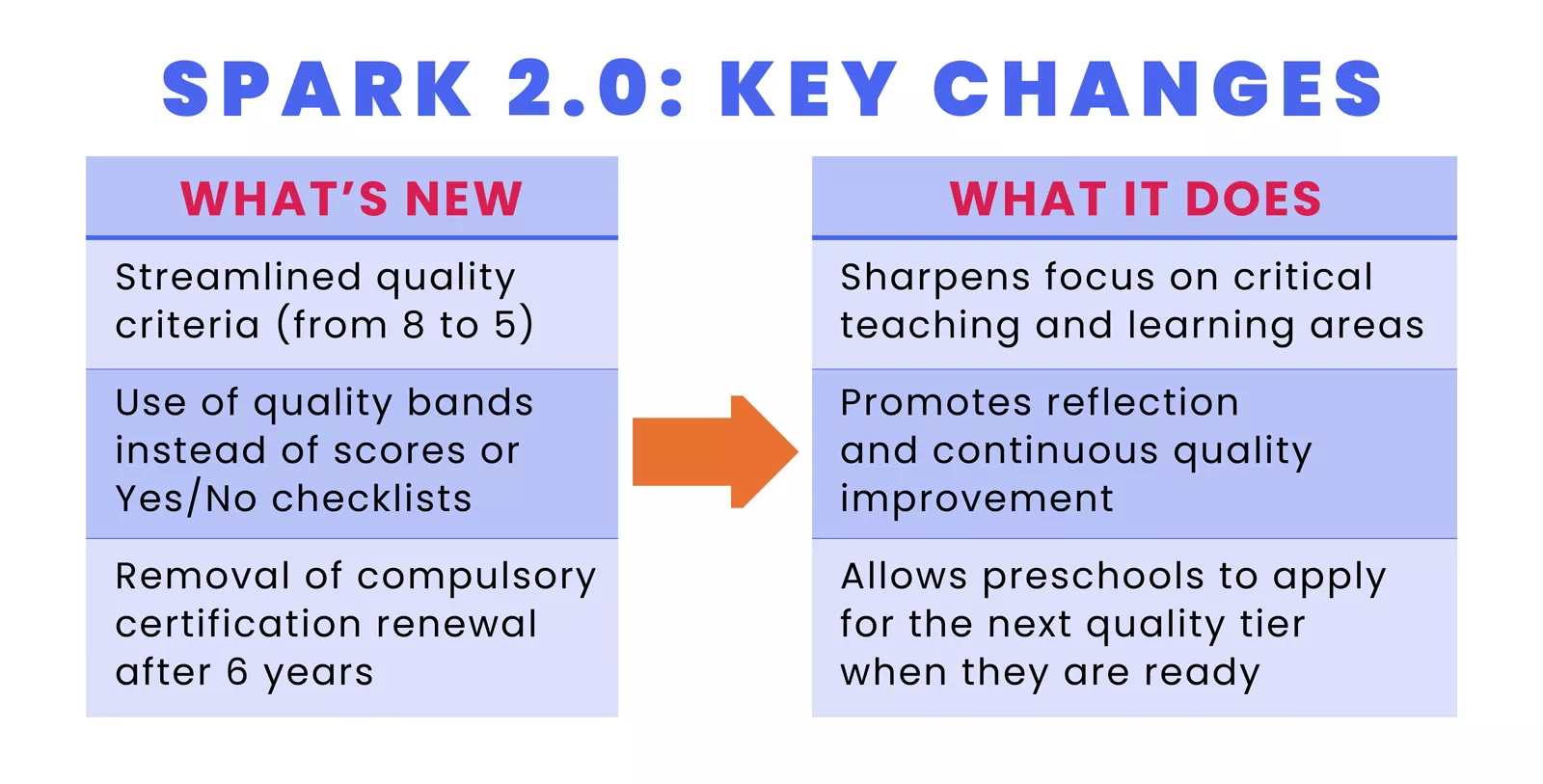
Under SPARK 2.0, the quality criteria has been streamlined and preschools are no longer assessed against standardised indicators, giving us more flexibility to innovate and develop programmes tailored to our children’s profiles and needs. Educators also benefit from a reduced administrative workload, making the certification process less daunting and allowing us to better focus on our work with children.
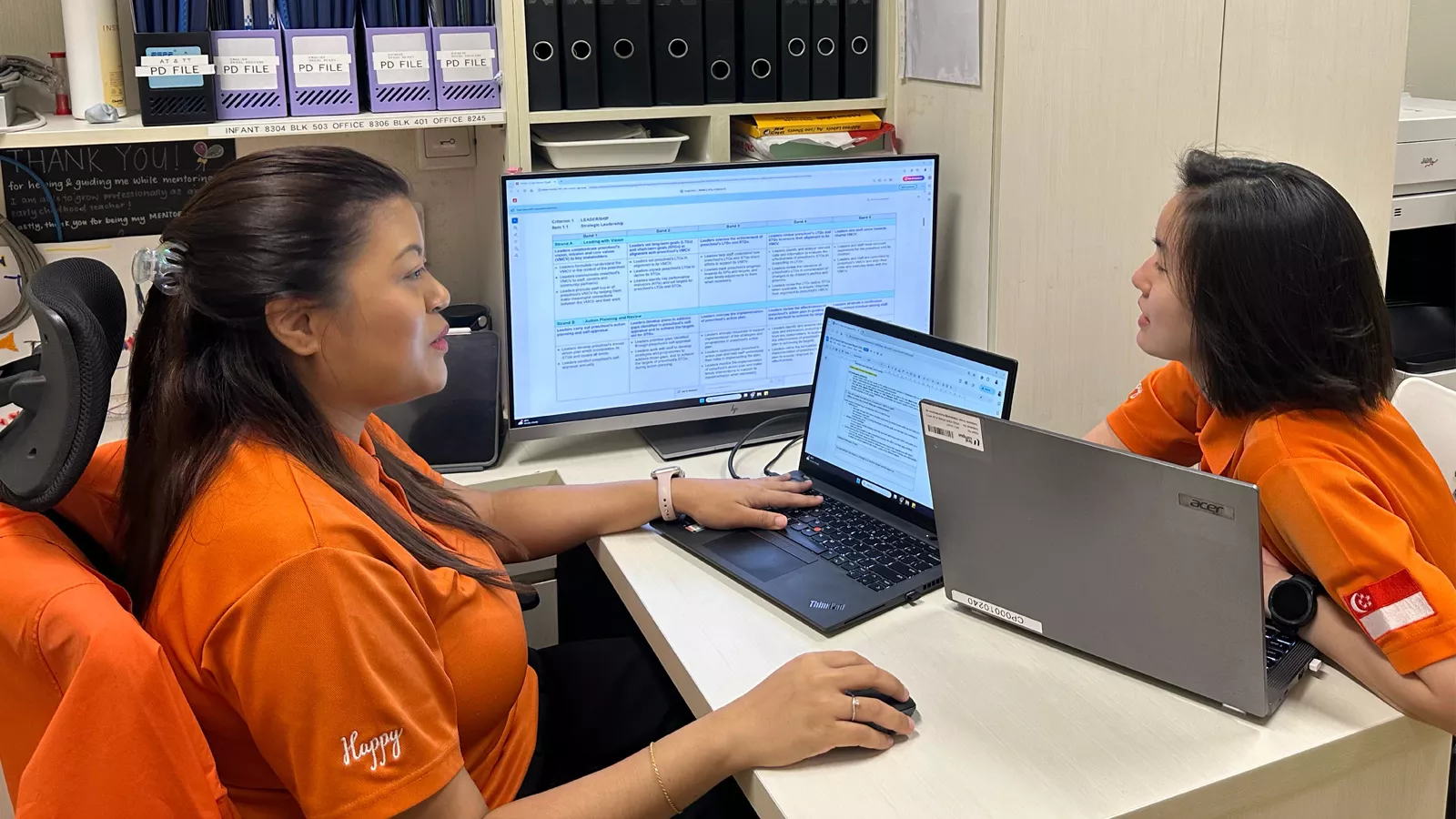 Centre self-appraisals based on SPARK 2.0 criteria empower Ms Siti Daliana (left) to lead quality initiatives tailored to the needs of children at her centre.
INTRODUCING INNOVATIVE, CHILD-CENTRIC PROGRAMMES
During the SPARK 2.0 pilot journey, my team and I took the opportunity to review our centre's practices and identified language and literacy instruction as a key growth area. We then initiated and implemented differentiated teaching strategies to address the varying needs of children struggling with language acquisition — and these are now incorporated into our curriculum, benefitting children across all levels.
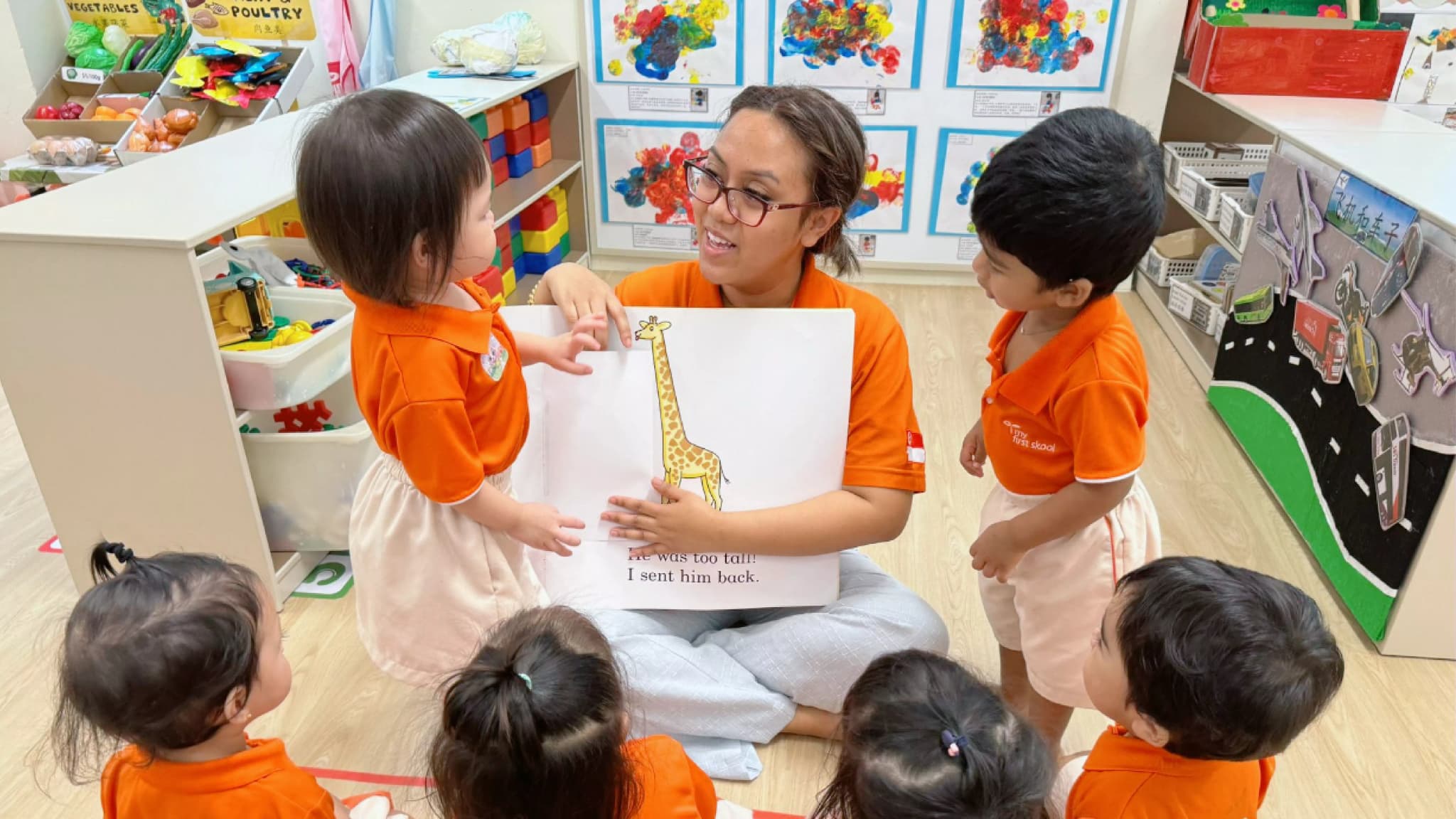
One new initiative, called 'Storyboard', aims to improve listening and speaking skills in children aged 0 to 3. It's like a notice board that educators use to bring storybooks alive, with interactive elements such as textures and flip-up images affixed to the board. These materials help children understand and retell the story at their own pace, with the teacher's guidance. For example, non-verbal children can pick up vocabulary words like “bear” or “cat”, while those who are more fluent can repeat phrases or sentences from the stories.
 The 'Storyboard' tool integrates multi-sensory experiences into language and literacy instruction, boosting learning outcomes for younger children.
More intensive literacy support is provided to older children with reading difficulties. This takes the form of small-group or one-on-one sessions, where educators work with them on specific concepts such as letter recognition and letter-sound correspondence.
The SPARK 2.0 tool guided us to be strategic and intentional in supporting the diverse learning needs of children. These efforts were validated as strengths of our centre during the validation exercise.
SEEDING MORE IMPACTFUL PARTNERSHIPS
SPARK 2.0 has also made us reflect on our community partnerships, empowering educators to leverage partnerships to support the learning and development of children.
This comes through in our centre's collaboration with the National Library Board. Previously, we borrowed books from the local library and the Molly mobile library bus. Around the same time the SPARK 2.0 pilot was rolled out, my team started conducting storytelling sessions at Bedok Public Library as well. These sessions have been well received, raising parents' awareness about free language resources and activities for their children.
We've also strengthened our partnership with National Gallery Singapore. Besides providing teacher training, the museum has even invited our K1 children to be a part of its showcase. Parents appreciated having the chance to view their children's artworks and see how they express themselves through art.
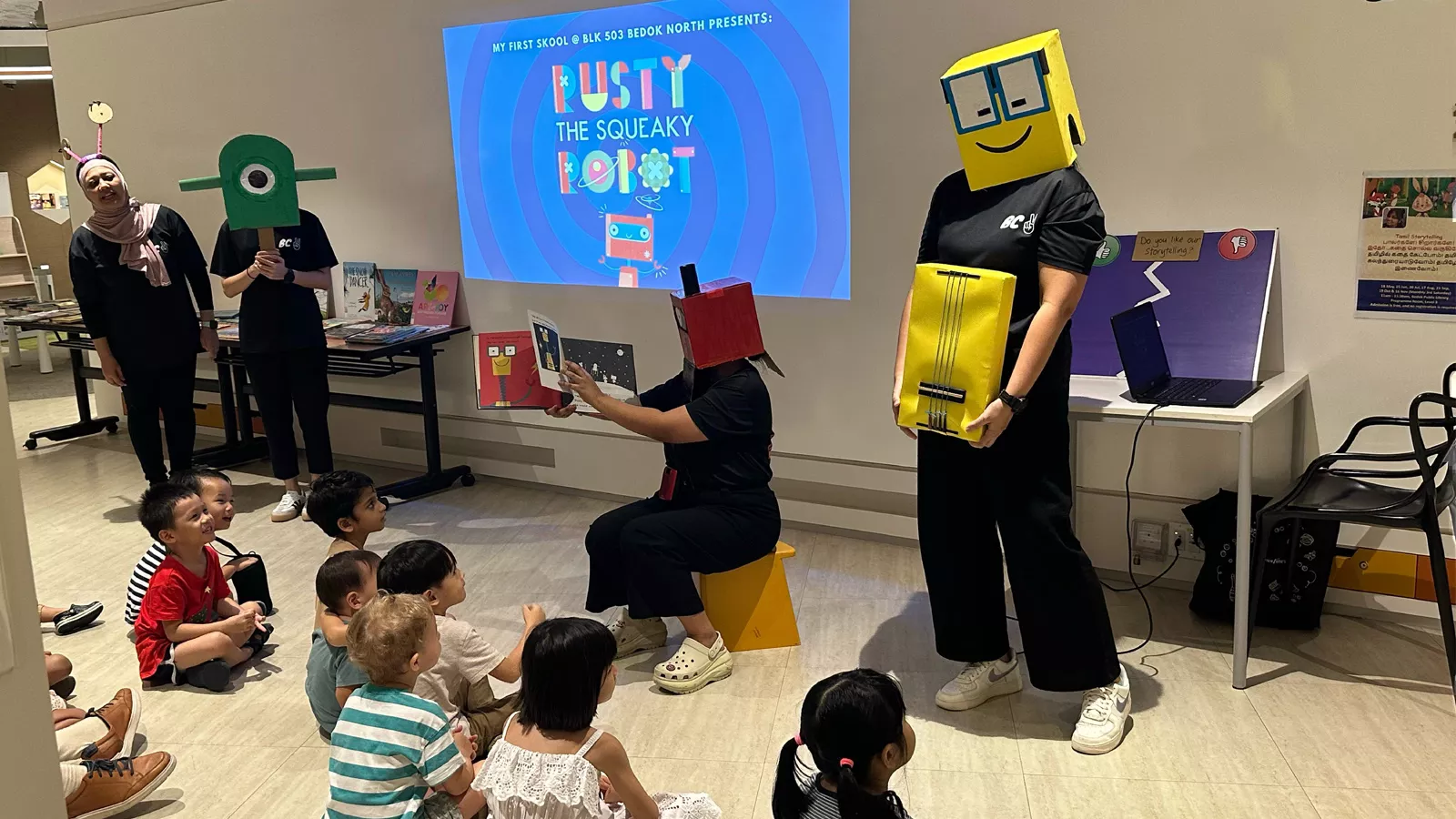 Teacher-led storytelling sessions at Bedok Public Library are a hit with children and families.
In my experience, being SPARK-certified reassures parents that the centre they've chosen meets quality standards and emphasises all aspects of holistic development. Feedback from families is part of our appraisal process, like when reviewing transition plans to ensure continuity of care at each developmental level. Such open communication strengthens parent-educator partnership, as parents may be more inclined to take part in preschool activities.
SPARK 2.0 recognises and affirms the good work happening in preschools while giving educators more autonomy to better serve children and parents. We're excited to be recertified once SPARK 2.0 applications open to us in 2026!