



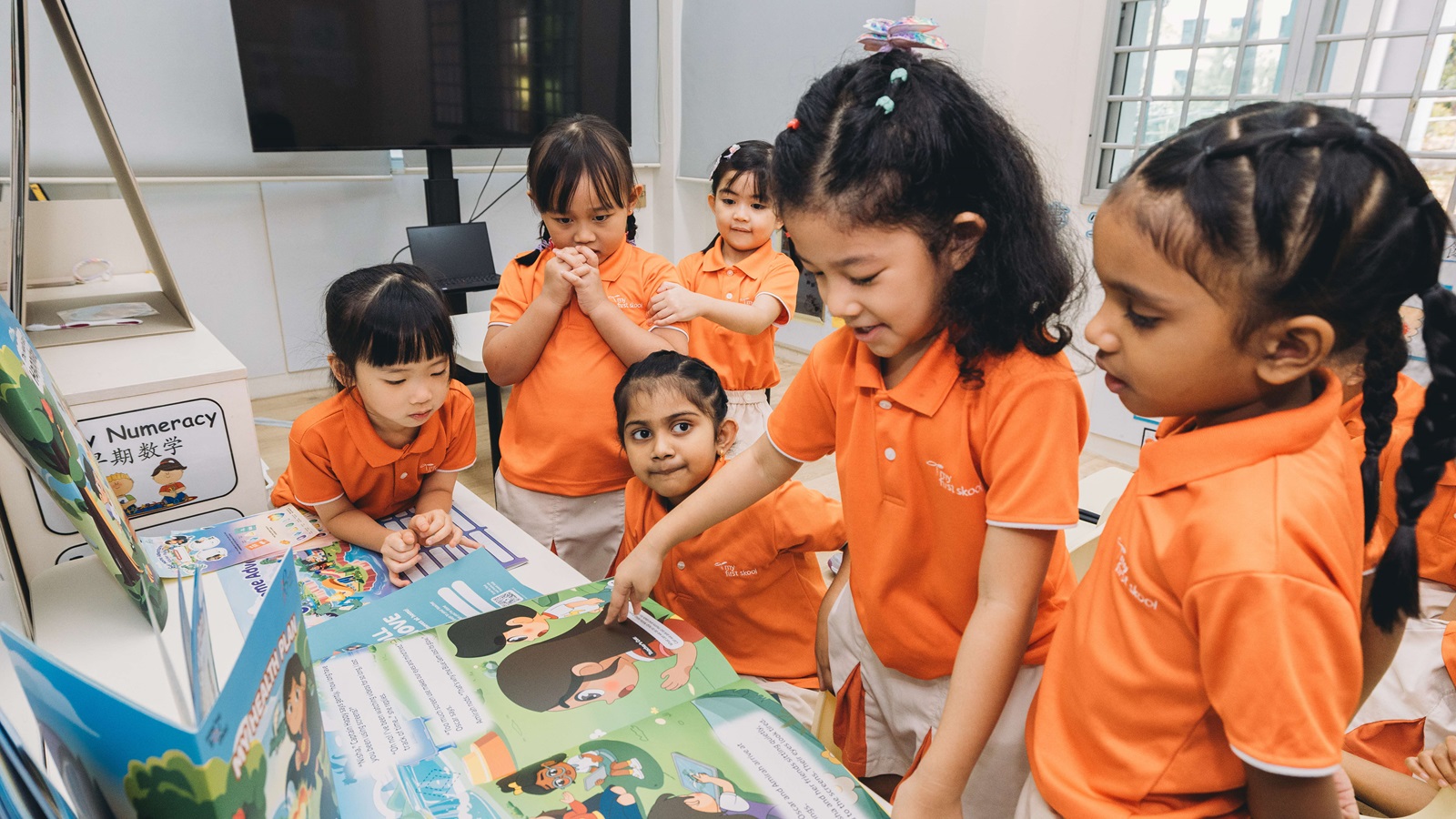

“Mummy, do I sleep enough?” asks Charlotte Pang, 6. Her mother Ms Jacyln Tan recalls that ever since Charlotte, who attends My First Skool at Blk 302B Anchorvale Link, learnt about the importance of healthy habits, she has been curious about her sleep routines. Her interest in health at this young age is encouraging. To fuel her interest, Ms Tan helped Charlotte count the number of hours she sleeps at night.
Charlotte is part of the preschool cohort to benefit from the Grow Well SG national health promotion strategy expanded to K1 and K2 children in January 2026. As part of this initiative, children receive a Health Plan, which includes a personalised Lifestyle Prescription in addition to their annual School Health Screening results. The Health Plan is tailored based on a child’s interests, insights from the health screening and a questionnaire completed by parents. Parents are guided by an activity booklet in starting conversations with their child to reinforce learning.
STARTING EARLY: WHY IT MATTERS
Studies have shown that healthy habits take time to form and are best cultivated when children are young and still developing fundamental skills. “Children who pick up positive habits like healthy eating, regular physical activity are more likely to maintain these behaviours into adolescence and adulthood,” shares Dr Lakshmi Kumar, Assistant Director for School Health Service at the Health Promotion Board (HPB).
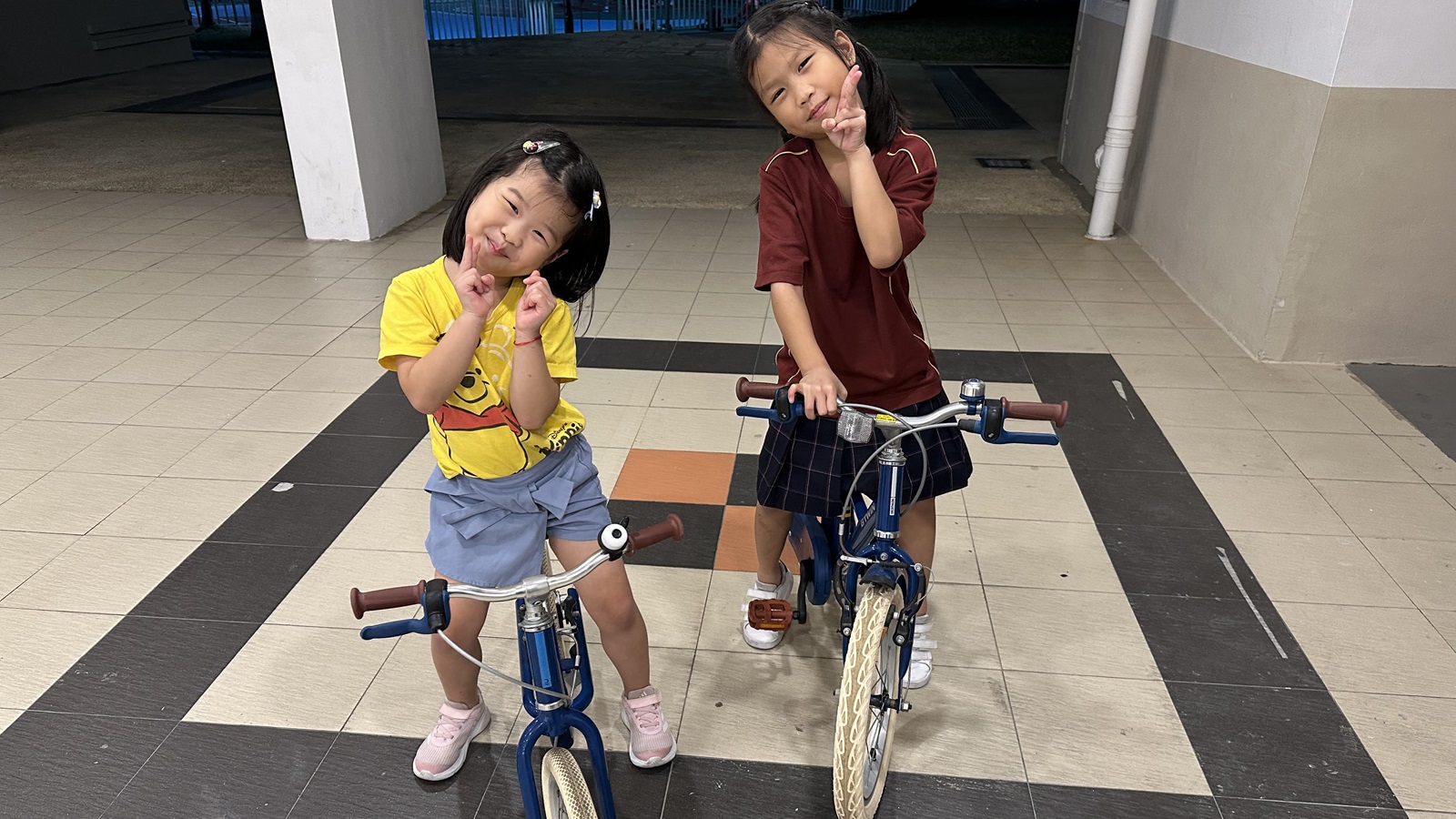 6-year-old Charlotte enjoys riding her bicycle around her neighbourhood with her family.
Young children are also naturally more adaptable and less resistant to change, making it easier to establish positive routines without having to break existing negative patterns.
Elaborating on the Health Plan for preschoolers, Dr Lakshmi explains that they build on existing school health screenings (including height and weight assessment and vision screening) by adding personalised lifestyle goals tailored to each child’s habits and interests, based on parents’ input. These small, realistic goals aim to support preventive health as early as possible, with parents helping their children work towards achievable targets.
FROM HOME TO SCHOOL: THE ROLE OF PARENTS & EDUCATORS
Habits formed in early childhood often involve the whole 'village' reinforcing these habits at home and in preschool, making them more sustainable.
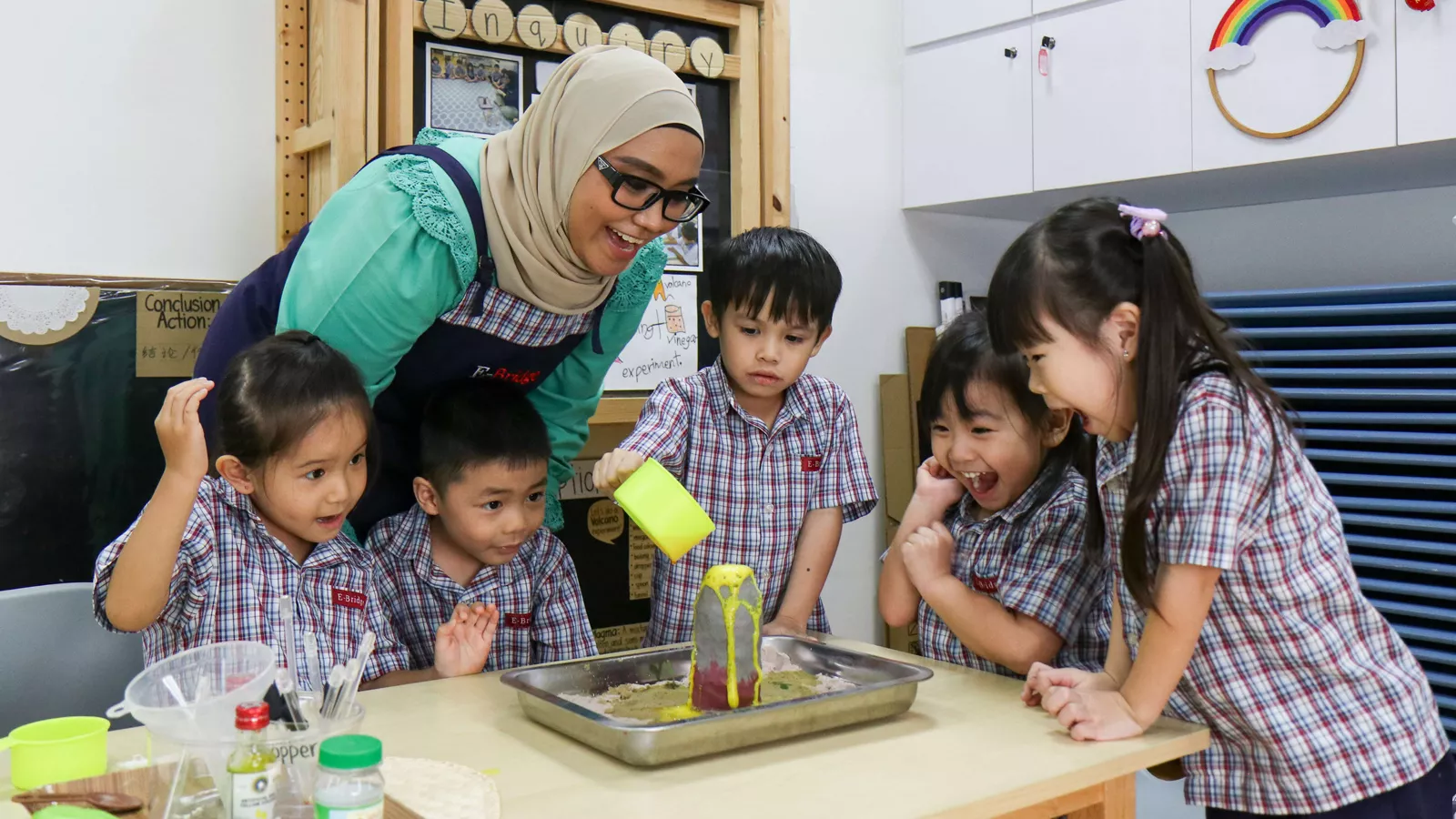
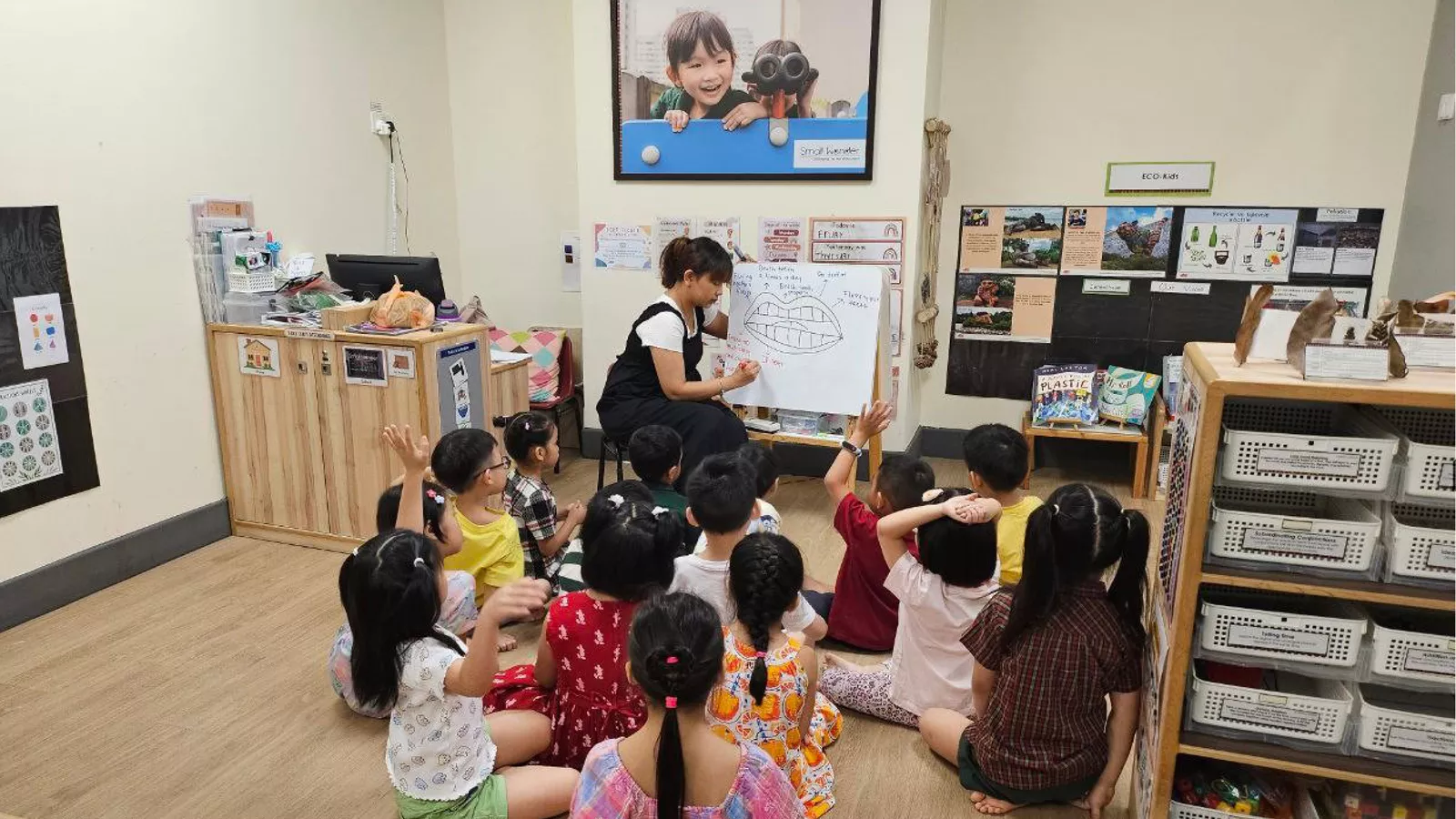
Dr Lakshmi affirmed the active role that preschools play in guiding children by including heath-related topics and activities into the curriculum, be it storytelling centered around health themes or encouraging children to create a meal following HPB’s Healthy Plate guidelines.
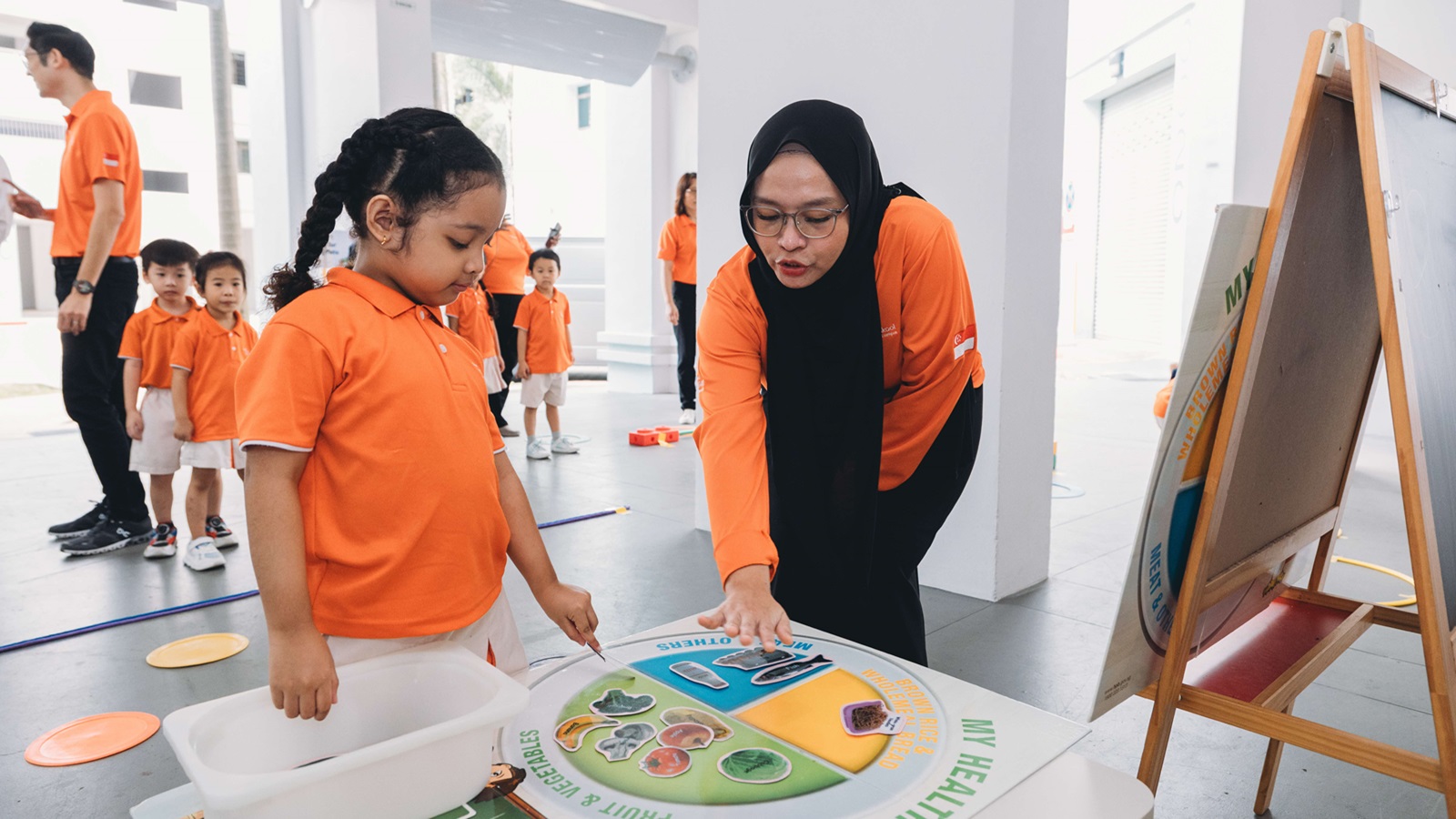 Educators integrate fun and games in the curriculum to help children learn about healthy eating habits.
She also highlighted the importance of role-modelling by parents in reinforcing the unspoken health messages to children in daily life. “Children find it easier to adopt healthy behaviours when they see the adults around them doing the same thing,” says Dr Lakshmi.
Parent Ms Tan agrees. “You can’t ask your child to eat healthily while you indulge in oily food. In our home, adults and children eat the same meals.”
SNAP TO IT
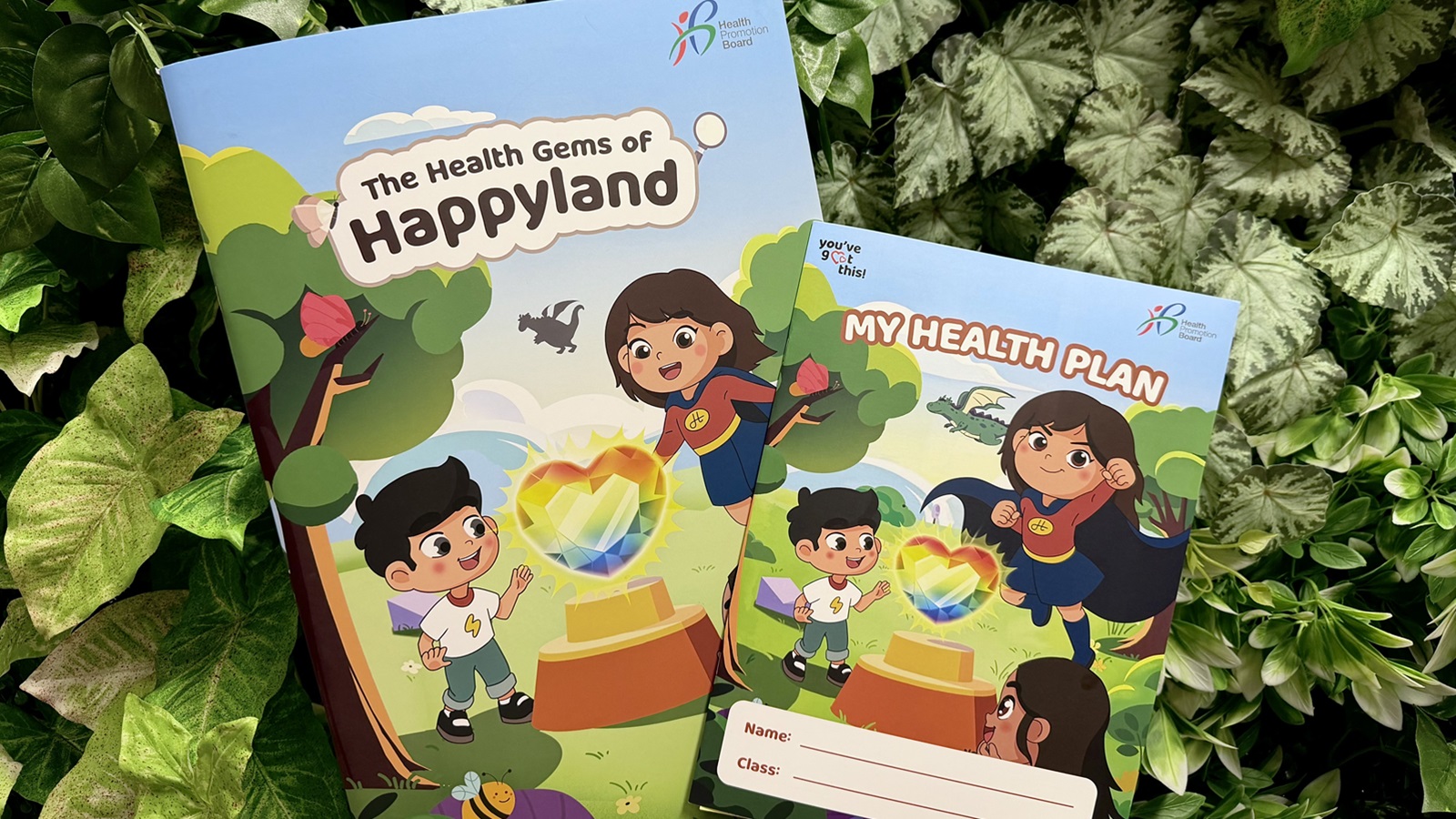
As part of the Health Plan programme, preschoolers learn the power of SNAP:
- Sleep 10 hours
- Not too much screens
- Active for 1 hour
- Plate with fruits and greens
Parent Ms Tan says that her daughter is familiar with the SNAP tips and is keen to follow the recommendations. “Charlotte will proudly tell us, ‘Today, I had vegetables in school and I asked for an extra serving of fruit.’ When she eats at home, she pushes her rice to one side of the plate to make space for portions of protein, fruit and vegetables.”
Dr Lakshmi encourages parents and educators to continue the push towards a healthier future for our children. “One area where there can be some improvements is in the physical activity levels. While children are active, many don’t consistently meet the guideline of one-hour of active play a day,” she points out. “Increased activity doesn’t just improve a child’s physical fitness, it also helps emotional and cognitive development. There are also other health benefits such as how more outdoor play may reduce myopia onset and progression.”