
For early childhood (EC) practitioner Jane Choy, going to work can sometimes feel like a trek into the unknown. “You walk into a classroom not knowing what to expect,” she said. As a young teacher, she once had to overcome her fear of terrapins for a classroom activity.
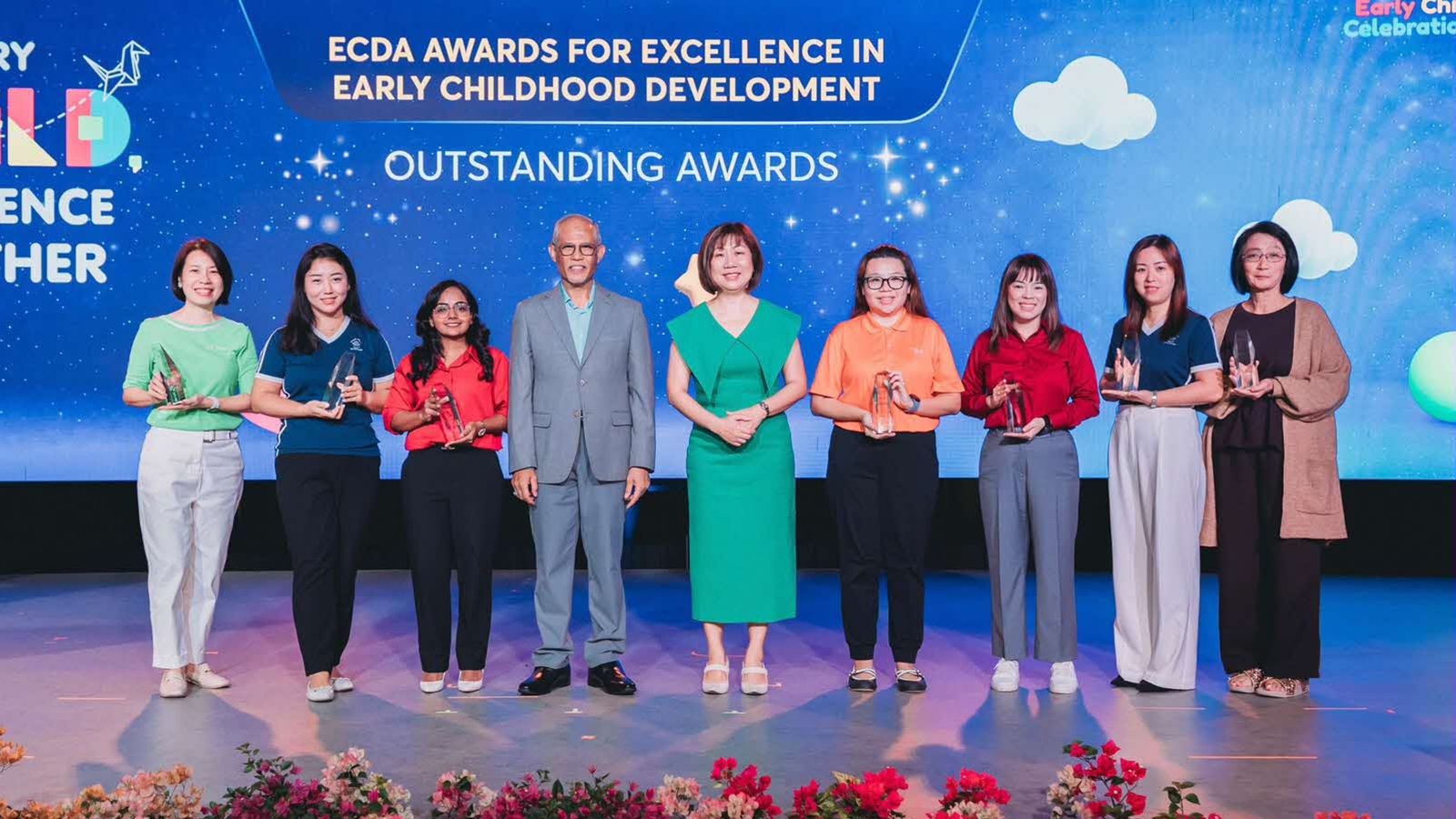
Jane started out as an assistant teacher with no formal training in 2000. More than two decades and a slew of professional qualifications including a Master of Education from NIE later, she is now Head of Operations at M.Y World Preschool and an Early Childhood Development Agency (ECDA) Fellow.
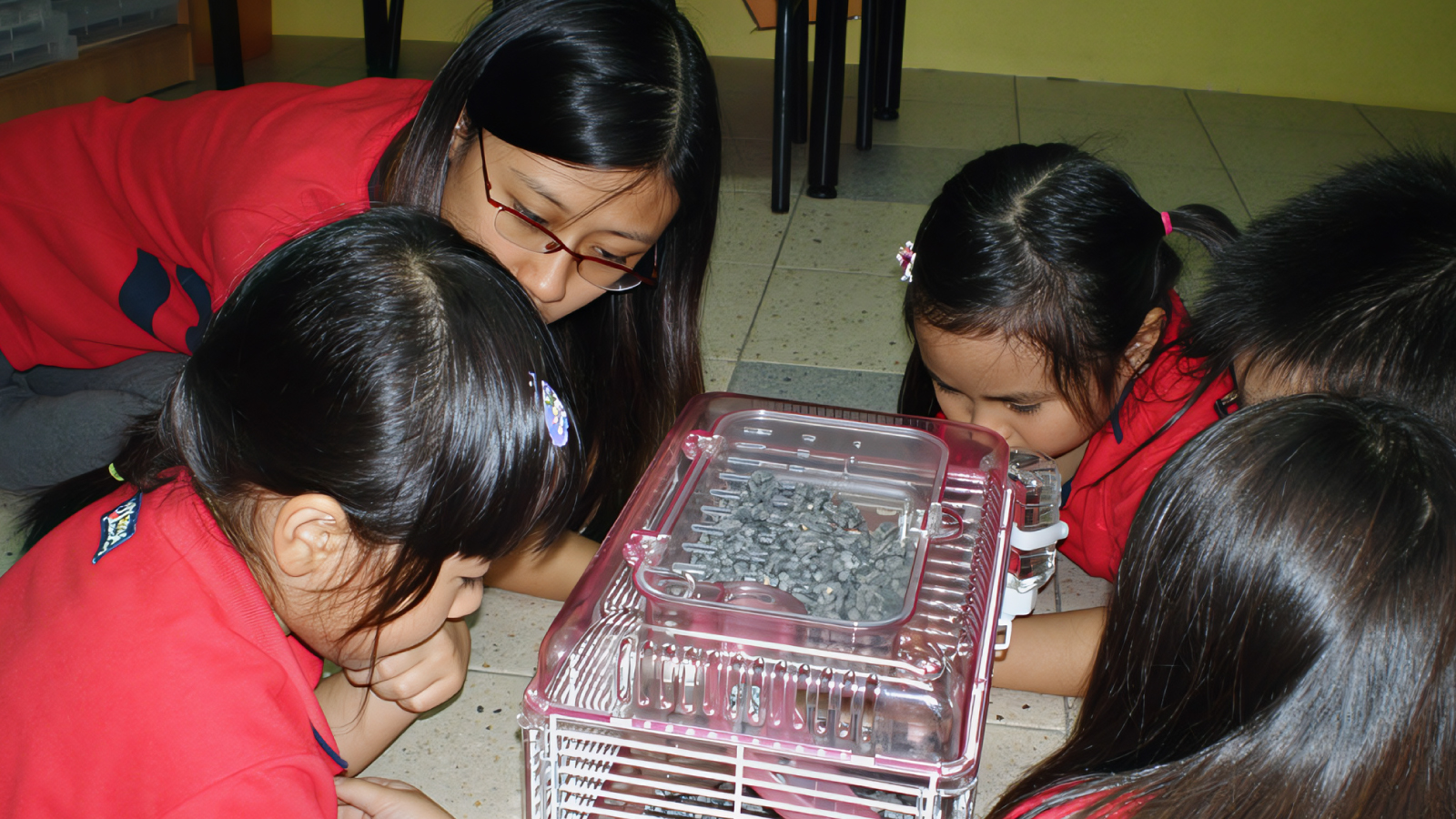 Ms Choy as a preschool educator two decades ago, observing a hamster with the children in her class.
In many ways, her journey tells the story of Singapore's preschool sector itself and how it has grown from providing care for children to nurturing their learning, development and well-being.
HIGHER STANDARDS, STRONGER PROFESSIONAL TRAINING
In the past, passion and genuine love for children were often enough to become a preschool teacher. “They did not have the academic qualifications, but they had a good sense about children,” said Dr Christine Chen, president of the Association for Early Childhood Educators (Singapore).
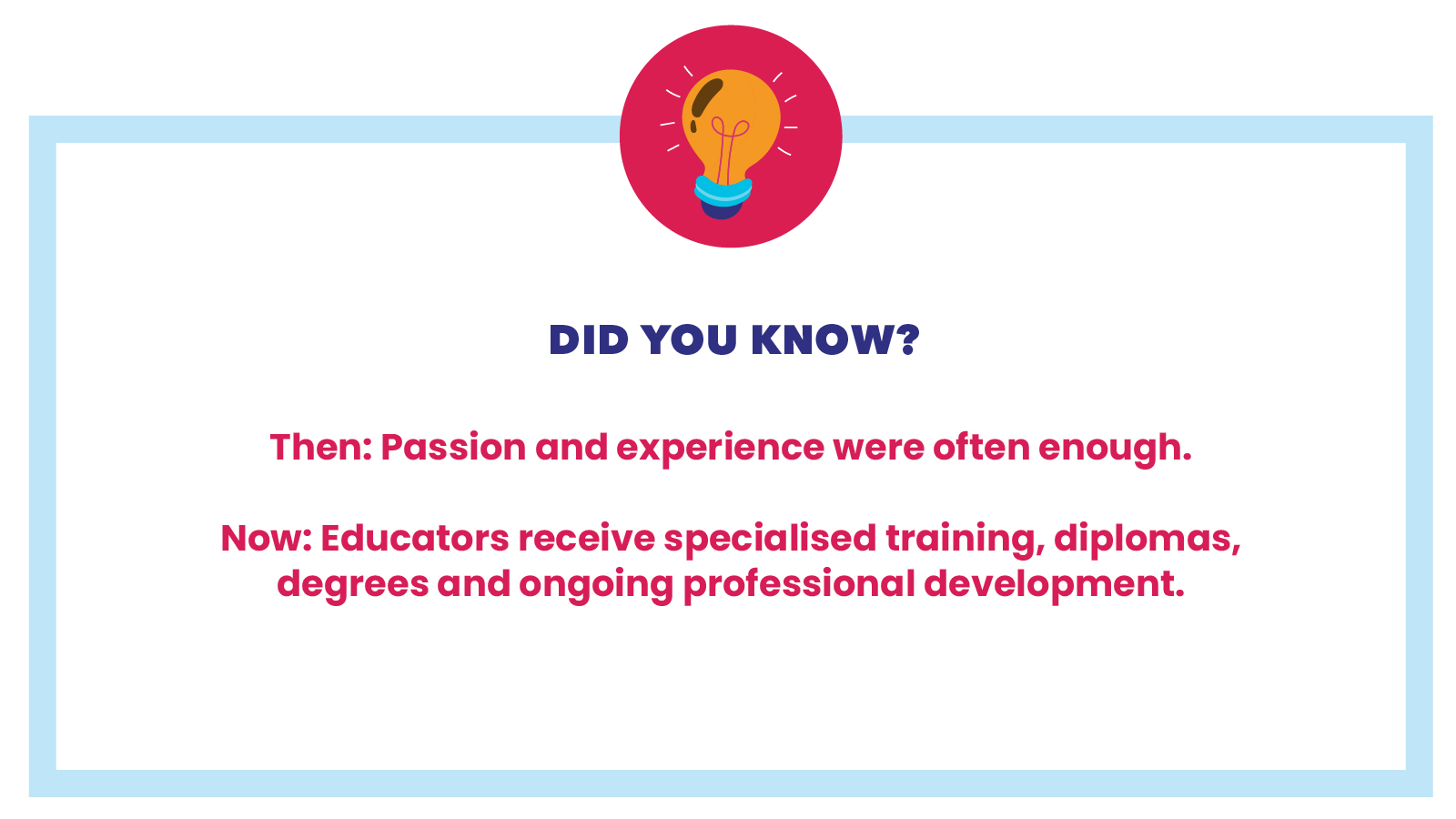
The profession gradually became more established, with higher training and qualification requirements for aspiring preschool educators. Educators also gained access to more opportunities to deepen their skills, including degree and postgraduate programmes offered by institutions such as SUSS and the National Institute of Early Childhood Development (NIEC), which was established in 2019 to further support the training and development of educators.
As a result, today’s EC educators are equipped with knowledge and skills to do much more than provide care. “Educators now have a deeper understanding of child development and teaching practices,” said Ms Geraldine See, Director and Chief Executive Officer of NIEC. “They are intentional in how they support children’s learning and development, and their role goes beyond meeting children’s day-to-day needs.”
WHERE PLAY MEETS PURPOSE
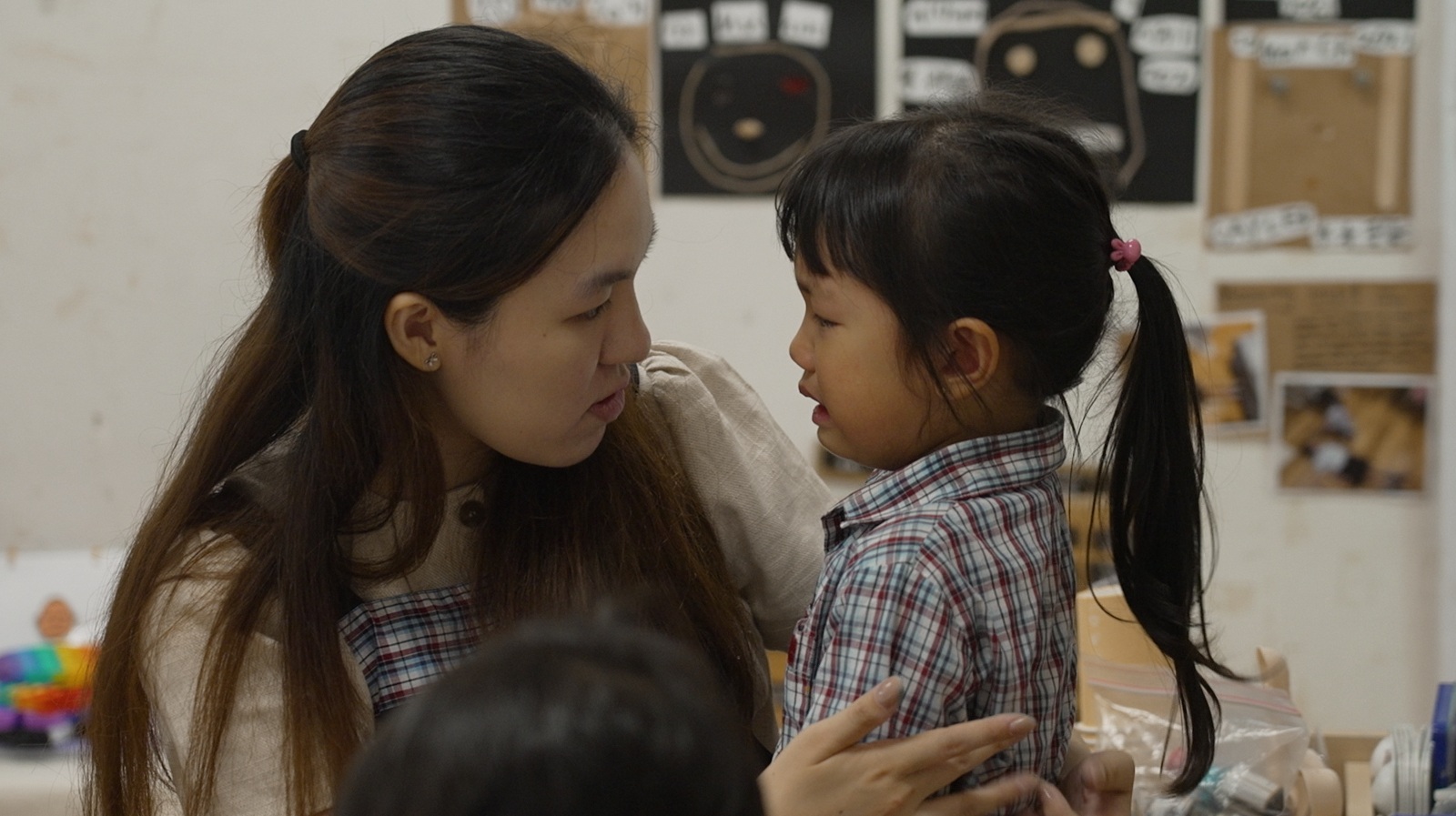 Beyond routine care, today’s preschool educators tailor activities and experiences to each child’s strengths, interests, and stage of development.
Today's preschool experience looks very different from that of 20 years ago, with curriculum guidelines helping to create more intentional, meaningful and consistent learning experiences for children.
One key milestone was the introduction of the Nurturing Early Learners (NEL) Framework, which is grounded in research and recognises the important role of play in children's learning and development.
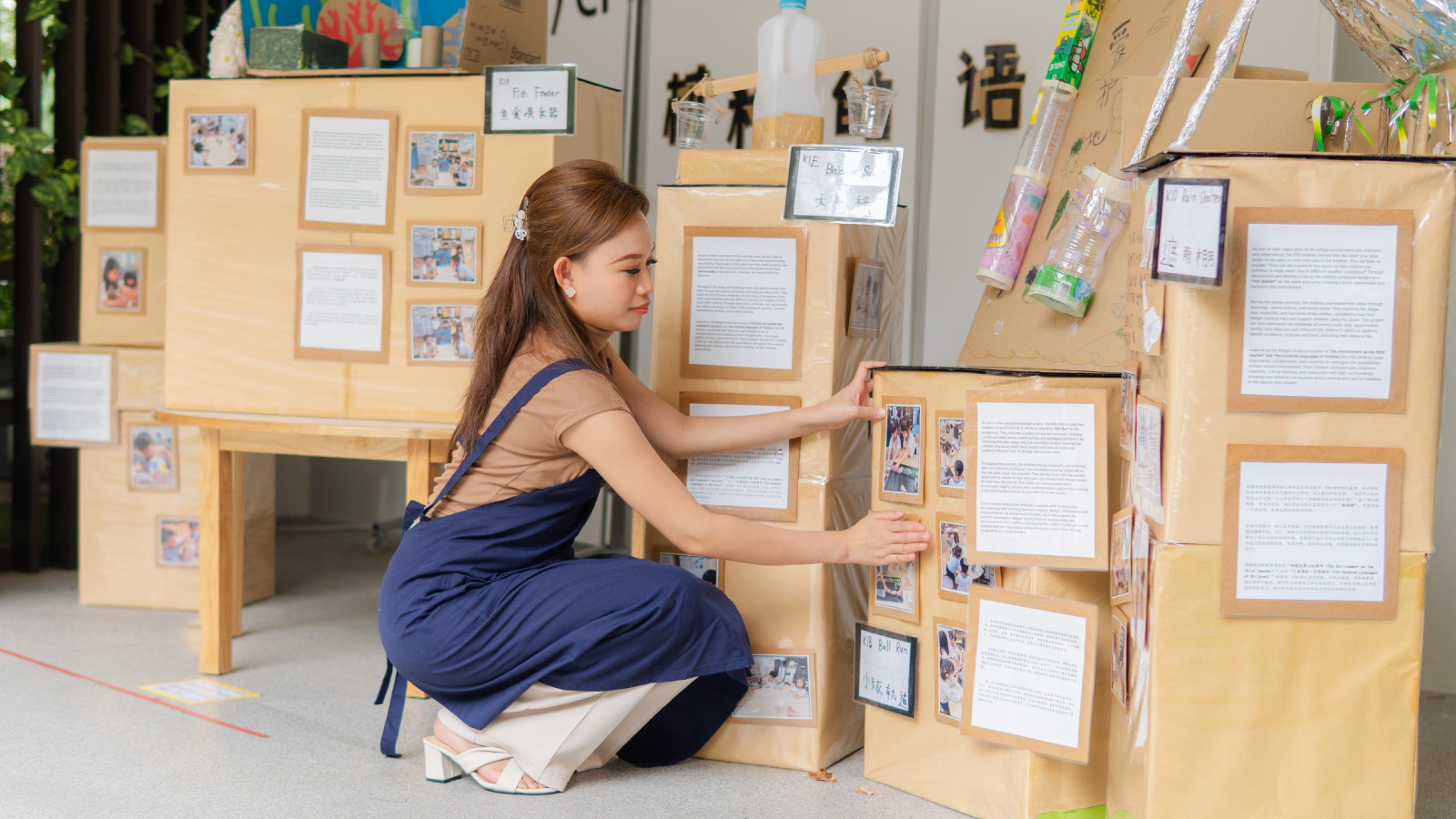
As Ms Choy pointed out, “What people see as play is only a fraction of an educator's work, which requires deep professional knowledge, thoughtful planning and reflective practice.”
Beyond caring for children's daily needs, educators take time to understand each child's interests, strengths and progress. They then plan experiences that help them learn and grow in ways that work best for them.
SUPPORTING THE PEOPLE BEHIND QUALITY PRESCHOOLS
As preschools have evolved, so has the role of educators. Along with nurturing and teaching young children, they juggle lesson planning, documentation, parent engagement and many other responsibilities. While the work is rewarding, it can also be demanding.
Many preschool providers now offer dedicated spaces and initiatives to help educators recharge, while sector-wide resources such as counselling services and Mindline @ Work provide additional support.
It's a reflection of a simple truth: quality EC education depends not only on supporting children, but also on supporting the educators who care for and teach them.
CREATING CONSISTENCY BETWEEN HOME AND SCHOOL
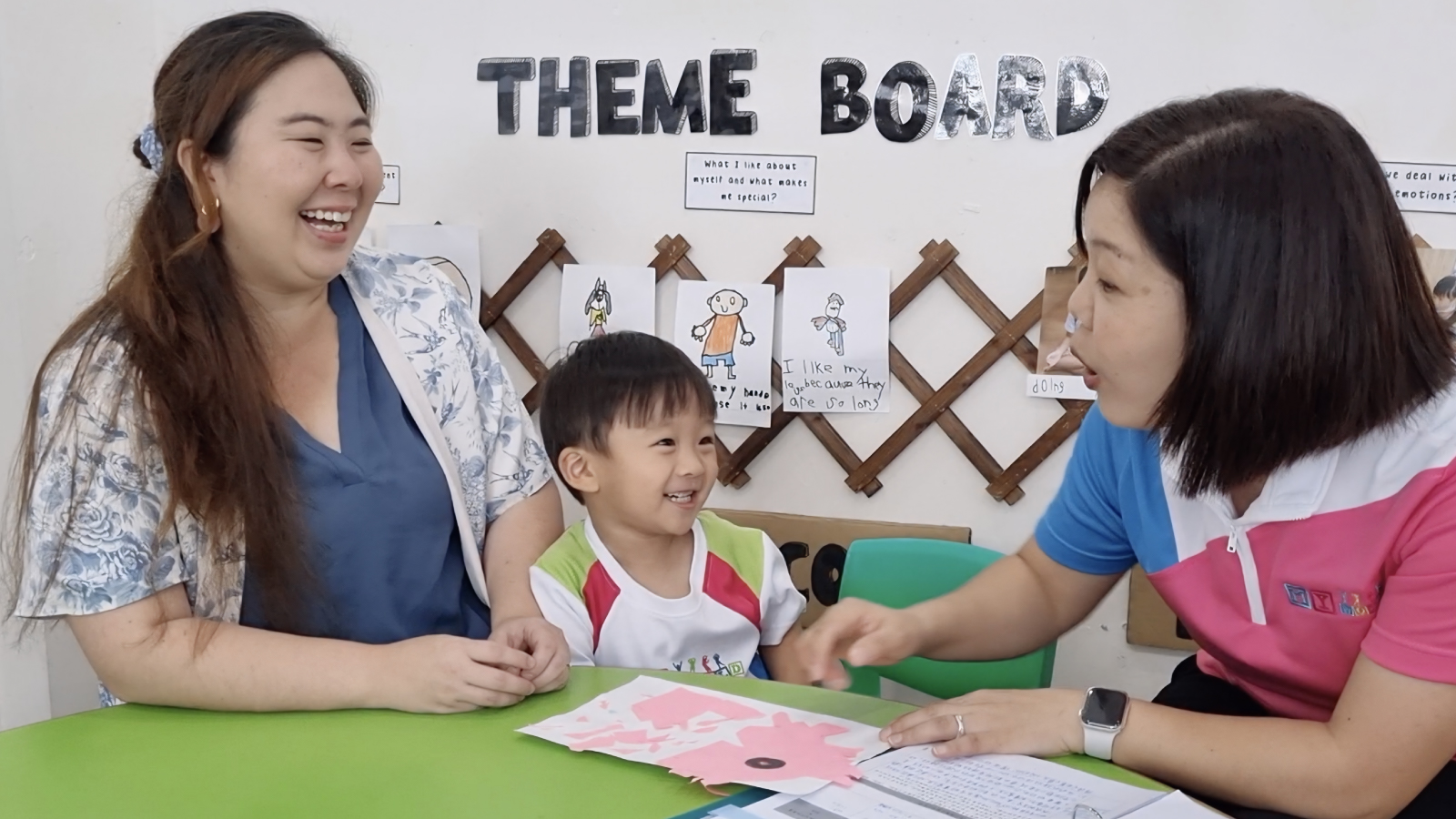 “The partnership can be even stronger when parents understand why educators do certain things,” said Associate Professor Sum Chee Wah, head of the Master of Early Childhood Education Programmes at SUSS. This helps create a “parallel environment” between home and preschool, making it easier for children to learn across settings.
Today, parents aren't just the people who drop their children off at preschool each morning. They are increasingly seen as important partners in their children's learning and development.
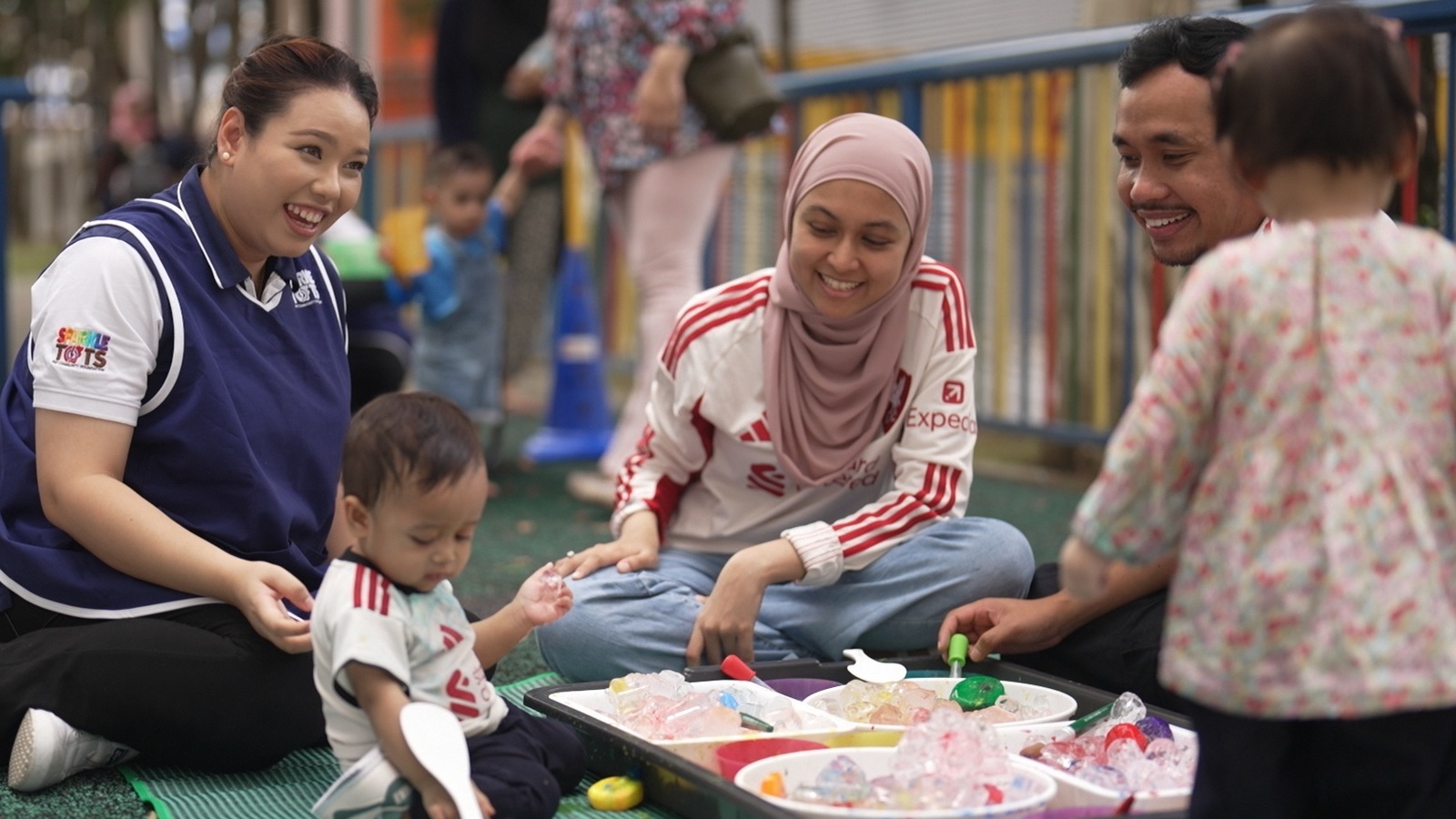
That's why many preschools create opportunities for parents to be involved in what happens in the classroom. At E-Bridge Pre-School's Family Fiesta, for example, parents join their children in hands-on activities, from creating artworks to exploring and learning together.
These moments give parents a glimpse into their children's preschool experiences and a better understanding of how they can support learning at home.
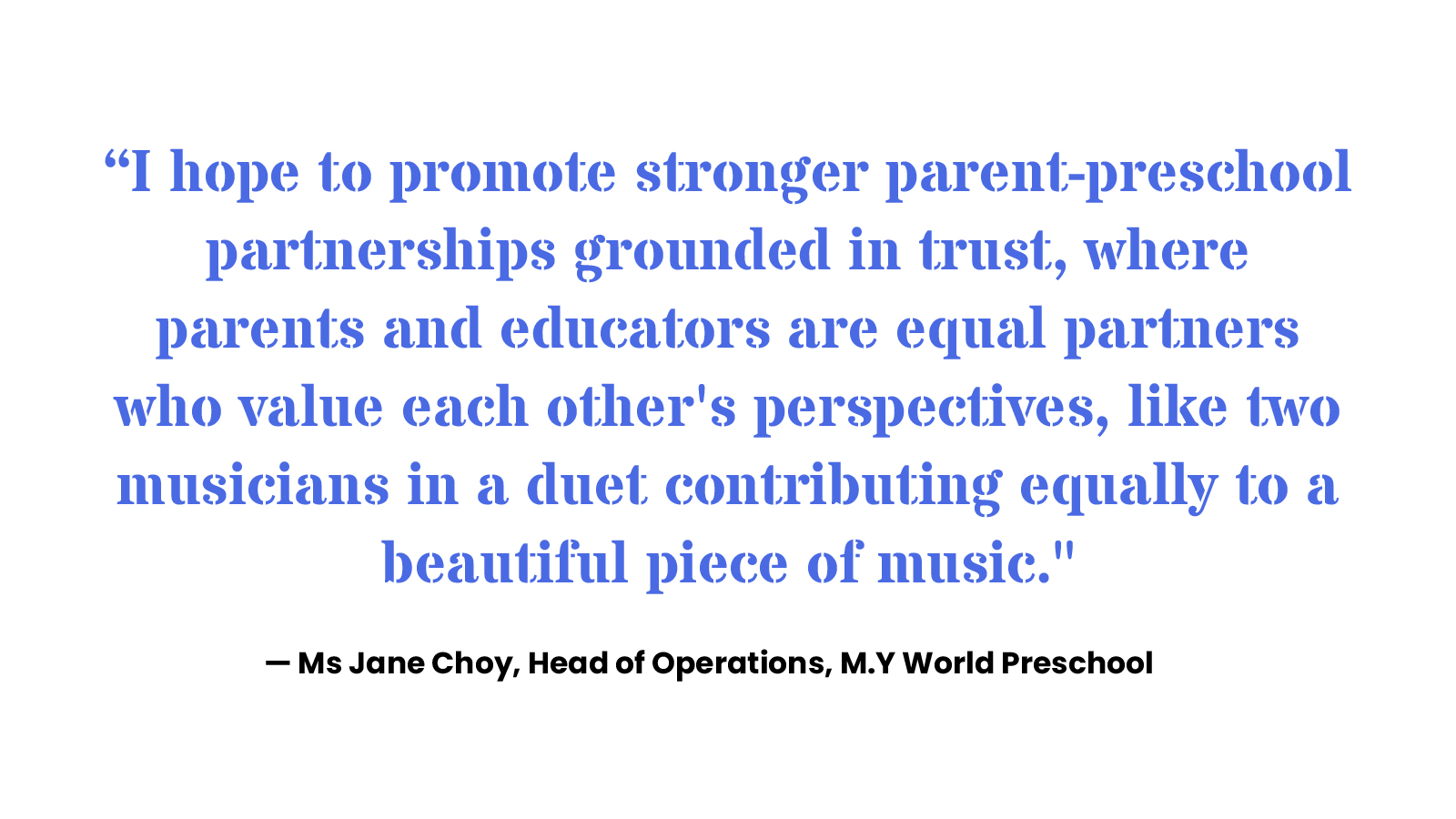
The early childhood sector has come a long way over the past two decades. What was once driven largely by passion and instinct is now underpinned by professional expertise, thoughtful teaching and stronger partnerships between educators and families.
Even in routine moments like diapering, educators — through responsive, respectful interactions — help build language, trust and secure attachments. This is how preschool educators shape lives from the very start.